
Show summary Hide summary
At a recent Turnstile concert, the band’s frontman abruptly removed a security guard after fans accused the guard of physically confronting attendees. Video clips of the exchange have circulated online, sparking debate about crowd safety and venue responsibility.
Details of the confrontation at the show
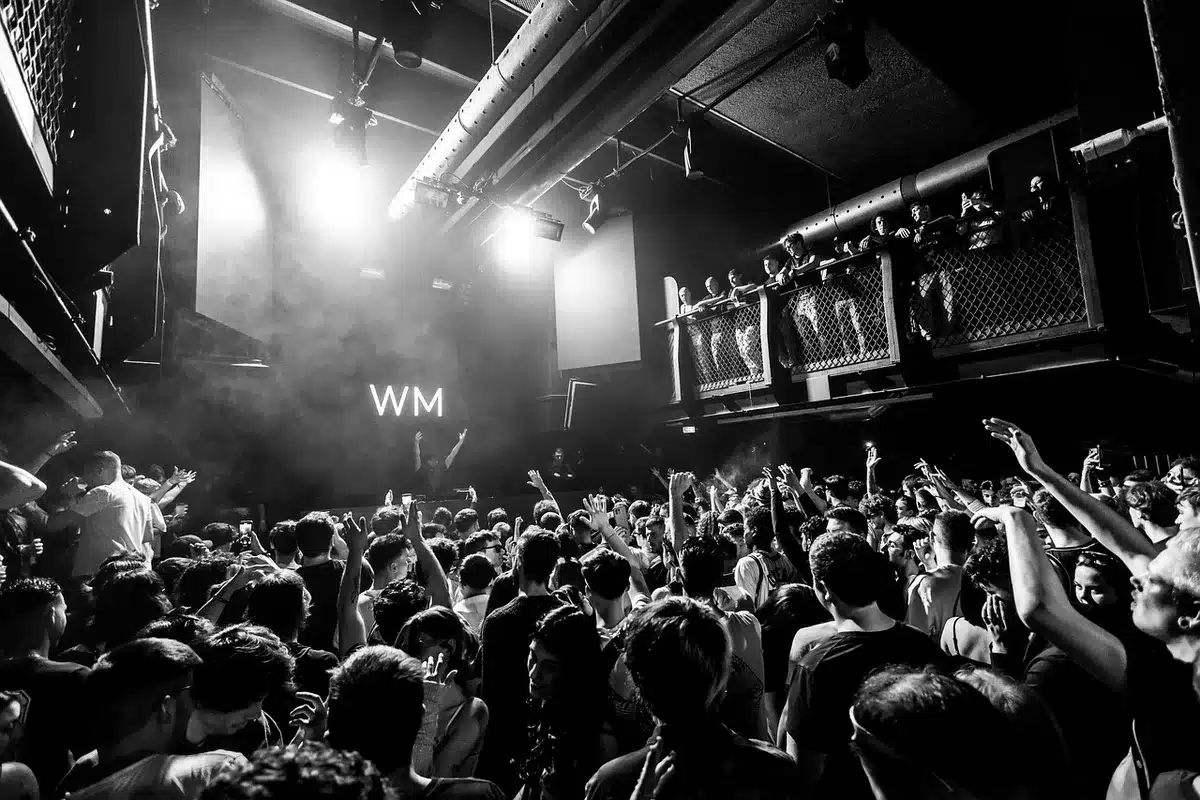
Eyewitness footage shows the frontman pausing the performance to address a security team member. According to fans at the scene, the guard was “swinging on” concertgoers during the set. The singer then motioned for the guard to leave the area and escorted the person out of view.
Smashing Pumpkins reunite with legendary 90s producer Butch Vig on new Hunger Games track
U.K. terror plot: what we know and why the Gulf remains in limbo
Attendees described a tense few moments before the band resumed playing. Multiple short videos shared on social platforms captured parts of the incident, though none show the whole sequence.
Fan videos and social media reaction
Short clips and posts about the event spread quickly across platforms. Reactions have been mixed, ranging from praise for the singer to criticism about security practices.

- Supporters praised the frontman for protecting fans and prioritizing safety.
- Critics questioned whether the team acted appropriately before the confrontation.
- Some viewers asked for clearer, full-length footage to understand what preceded the altercation.
How the band and venue have handled inquiries
As of now, the band has not released a comprehensive public statement addressing the specifics. The venue’s official response has been limited to acknowledging the incident without detailing actions taken.
- Promoters often review security reports internally after such events.
- Venues may suspend staff pending an investigation.
- Artists sometimes choose to eject personnel on the spot for safety reasons.
Security policies and concert crowd safety
The episode highlights tensions between crowd control and customer safety. Security staff are tasked with preventing harm while avoiding unnecessary force.
Best practices in the live-music industry include clear written procedures, body-worn cameras, and regular training for de-escalation.
Why artists sometimes intervene during shows
When performers step in, it is often to protect the atmosphere and keep fans safe. Those moments can influence public perception of a band’s values.
- Artists can spot issues that security misses from the stage.
- Direct intervention sends a quick message about expected behavior.
- But on-the-spot decisions can complicate later investigations.
Wider implications for live events and trust
Incidents like this prompt venues and promoters to reexamine security protocols. Fans expect both protection and transparency when they attend shows.
Clear communication after events is key to restoring trust and preventing similar confrontations.










