
Show summary Hide summary
- Why Yung Lean decided to distance himself from Kanye West
- Highlights from the New York Times Popcast interview
- Medication, creativity, and the myths artists tell themselves
- Other artists who have publicly withdrawn support
- What this means for creative collaboration in troubled times
- Personal experience shaping public decisions
- The immediate aftermath of the interview
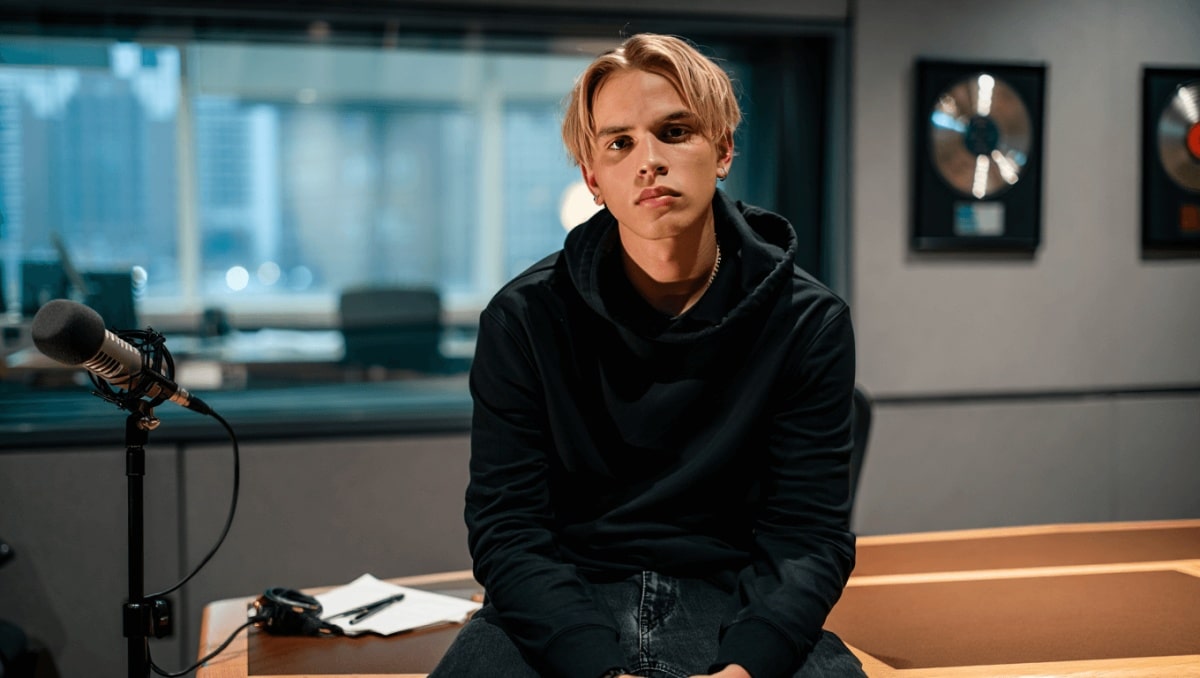
Kanye West remains a polarizing figure in music and culture. His influence is undeniable, but recent behavior has pushed some collaborators away. One of those is Swedish rapper and producer Yung Lean, who explained on a major podcast why he chose to step back from working with Ye.
Why Yung Lean decided to distance himself from Kanye West
Yung Lean described his decision as a mix of self-preservation and principle. He said he has witnessed similar episodes in his own life and did not want to be pulled into public controversy. Rather than defend troubling statements or enable them with a collaboration, he chose to separate himself.
Nas slams music industry over disrespect: teases new music, vows to address it
1992 vocal performances: 3 jaw-dropping moments that still amaze
He emphasized empathy for Kanye while making clear there are limits to what he will tolerate publicly. Lean noted personal family ties to Judaism, which made certain comments especially difficult to ignore.
Highlights from the New York Times Popcast interview
The conversation on the Popcast with Jon Caramanica and Joe Coscarelli explored mental health, creativity, and accountability. Lean spoke candidly about his experiences with mania and psychosis, and about how those challenges shaped his choices as an artist.
- He said he has been through manic episodes and has sought treatment.
- He explained why he thought stepping back from Kanye was the right move.
- He expressed sympathy while refusing to excuse harmful rhetoric.
How he framed the balance between compassion and responsibility
Lean made a distinction between caring for a friend and being complicit in public harm. He views pulling away as a way to avoid becoming tangled in behavior he’s seen firsthand. That separation, he said, is both personal and creative.
Medication, creativity, and the myths artists tell themselves
Hosts raised a common worry: that medication will dull an artist’s edge. Yung Lean challenged that assumption.
- He argued some treatments don’t “numb” creativity.
- When he was manic, he says his output felt scattered, not better.
- Medication, in his view, helped him focus and avoid chaos.
He rejected the romantic notion that mania equals artistic genius. Instead, he described mania as a state that produced a lot of incomplete projects and impulsive decisions.
Other artists who have publicly withdrawn support
Yung Lean is not alone. Several prominent names have stepped away from Kanye amid controversy. The list includes Pusha T and John Legend, among others.
- Some cited offensive remarks and public behavior.
- Others referenced ethical boundaries and career considerations.
- For many, protecting their audience and personal values came first.
What this means for creative collaboration in troubled times
Lean’s stance highlights a broader tension in the music world. Artists often wrestle with how to respond when a collaborator struggles publicly. Do you support the person, or do you refuse to be part of harmful narratives?
His answer was practical: avoid working with someone whose behavior you cannot publicly defend, even if you recognize their talent. He spoke about lithium and other treatments as viable ways to manage illness without sacrificing artistic voice.
Personal experience shaping public decisions
By drawing on his own mental health journey, Lean framed his choice as informed rather than reactive. He said medication helped him regain stability, and that stability allowed him to make clearer creative choices.
- Being manic made him less productive, not more effective.
- Treatment helped him maintain creativity with discipline.
- He believes artists can be both medicated and imaginative.
The immediate aftermath of the interview
Lean’s comments sparked discussion online about responsibility, compassion, and the role of mental health in public life. Fans and critics alike parsed his words for nuance, and the debate continues across social platforms and music press.










