

Show summary Hide summary
Mahershala Ali and director Bassam Tariq have teamed up on a project that is drawing attention for its intimate scale and bold emotional reach. The new film, Your Mother Your Mother Your Mother, promises to blend powerful performances with a distinct visual language. Industry observers are watching to see how the actor-director relationship shapes this story about family, memory, and identity.
A collaboration born from mutual curiosity
The partnership between Mahershala Ali and Bassam Tariq grew from a shared desire to tell a personal story. Both artists bring different strengths. Ali offers a reputation for nuanced, layered acting. Tariq brings a cinematic sensibility that favors mood, texture, and cultural specificity.
Nas slams music industry over disrespect: teases new music, vows to address it
1992 vocal performances: 3 jaw-dropping moments that still amaze
- Ali’s approach emphasizes interior life and restraint.
- Tariq’s direction aims to fuse visual poetry with lived detail.
- Shared goals include authenticity and emotional clarity.
What the film explores and why it matters
Your Mother Your Mother Your Mother centers on family ties and the echoes of the past. It explores how relationships shape identity across generations. The film leans into intimate moments rather than spectacle. This focus is part of its appeal.

Thematic threads
- Memory and how it reshapes the present.
- Cultural roots and migration as background texture.
- Caregiving, loss, and reconciliation as emotional cores.
Craft choices that define the project
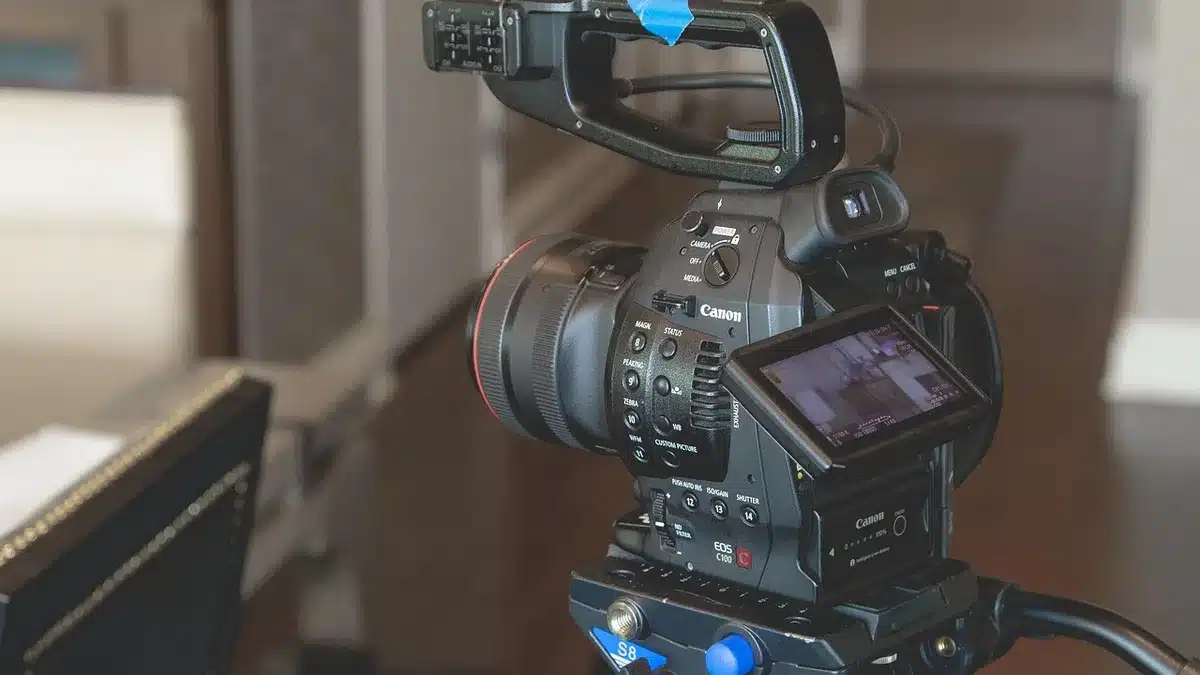
Tariq’s visual choices are deliberate, aiming to make form serve feeling. Cinematography, sound design, and editing all play roles in deepening the story. Ali’s performance anchors the film with quiet power.
- Framing and color are used to mark emotional shifts.
- Soundscapes mix ambient detail with musical restraint.
- Pacing favors patient scenes that allow emotions to surface.
Casting, ensemble, and on-set dynamics
Beyond Ali, the cast includes actors chosen to reflect the film’s grounded tone. Tariq reportedly fostered a collaborative set. Rehearsals and discussions gave performers room to shape scenes. That environment often leads to organic interactions on screen.
Working methods
- Extensive table reads to align emotional intentions.
- Scene work focusing on subtext and small gestures.
- Flexible shooting schedules that prioritize truthful takes.
Practical production notes and locations
The film was produced on a scale that allowed attention to detail. Location choices emphasize domestic spaces. Practical production design supports the story without calling attention to itself.
- Interiors reflect generational layering of objects and memories.
- Neighborhoods are used to imply histories without exposition.
- Minimal visual effects keep the focus on performance.
Early reactions and industry buzz
Industry readers and early viewers note the film’s emotional honesty. Commentators point to Ali’s low-key intensity as a standout. Tariq’s direction receives praise for balancing restraint and lyricism.
- Critical interest centers on the film’s human scale.
- Audience curiosity grows from word-of-mouth about performances.
- Trade attention follows the creative team’s pedigree.
How this project fits in their careers
For Mahershala Ali, the film is another chance to expand a varied filmography. For Bassam Tariq, it represents an opportunity to continue exploring personal narratives on screen. The collaboration may influence future choices for both artists.
- Ali: a continued turn toward character-driven projects.
- Tariq: a deeper commitment to intimate, culturally attuned cinema.
What to watch for next
Look for festival announcements, release dates, and additional previews. Trailers and interviews will likely deepen public understanding of the film’s intentions. Early screenings could shape the conversation around the project.
- Official release schedule and platform details.
- Critical response from advance screenings.
- Cast interviews that reveal behind-the-scenes choices.










