Show summary Hide summary
- How the internet created fertile ground for new rap scenes
- Odd Future — a renegade collective that rewrote alternative hip-hop
- Taylor Gang and Jet Life — the sun-soaked sound of a mellow movement
- Chicago drill — a raw mirror of street life that shaped global rap
- Atlanta’s futuristic era — bright synths and a preppy, pop-leaning trap
- Why these movements still matter to hip-hop’s trajectory
The 2010s rewired how hip-hop arrived in our ears and feeds. As record labels loosened their hold, the internet and DIY platforms let regional crews and online tribes create distinct sounds and scenes. These movements did more than spawn hits. They mapped identities, styles, and new rules for what rap could be.
How the internet created fertile ground for new rap scenes
Streaming, YouTube uploads, and music blogs replaced traditional gatekeepers. Artists could reach listeners directly. This changed the game.
Nas slams music industry over disrespect: teases new music, vows to address it
1992 vocal performances: 3 jaw-dropping moments that still amaze
- Low-cost production and viral clips amplified niche aesthetics.
- Communities formed around moods, looks, and attitudes instead of radio play.
- Creative risk-taking became safer because artists could test ideas without label pressure.
By the mid-2010s, scenes were less about geography and more about shared aesthetics online. Still, cities and crews retained their importance. Regional flavor blended with internet culture to create new rap movements.
Odd Future — a renegade collective that rewrote alternative hip-hop
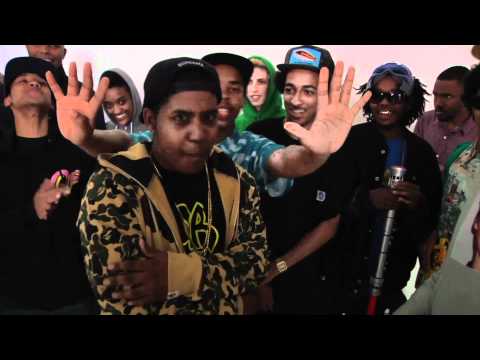
What began as a chaotic crew out of Los Angeles grew into a cultural brand. Odd Future pushed taboo humor, lo-fi beats, and genre-bending songwriting into the mainstream.
Signature sounds and style
- Experimental production that mixed punk energy with hip-hop rhythms.
- Juvenile, provocative lyrics that sparked debate and attention.
- Members exploring R&B, jazz, and indie songwriting alongside rap.
Artists who defined the wave
- Tyler, the Creator — a polarizing figure who popularized melodic risk-taking.
- Frank Ocean — shifted expectations for emotional depth in hip-hop circles.
- Earl Sweatshirt and others — kept an underground, thoughtful edge.
Odd Future proved that a collective could launch multiple careers and that eccentric, online-friendly branding could become a cultural force.
Taylor Gang and Jet Life — the sun-soaked sound of a mellow movement
During the blog-era peak, a laid-back aesthetic dominated certain corners of rap. Taylor Gang and Jet Life offered anthems for cruising and celebration.
What listeners tuned in for
- Laid-back beats and catchy hooks built for summer drives.
- Lyrics celebrating weed culture, fashion, and easy living.
- Visuals and merch that sold a lifestyle as much as music.
Key figures and cultural markers
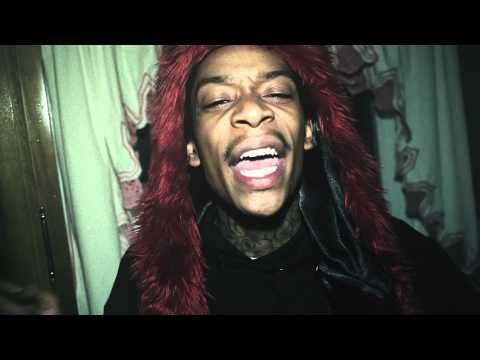
- Wiz Khalifa — crossover star whose image influenced haircuts and streetwear.
- Curren$y — a hustler persona tied to car culture and vintage flair.
- Merch, mixtapes, and Tumblr-era fandom fueled loyalty.
This movement was as much about vibe as it was about songs. Fans adopted the clothing, slang, and rituals tied to these crews.
Chicago drill — a raw mirror of street life that shaped global rap
Drill arrived from Chicago with unflinching realism and an aggressive sonic palette. It sounded urgent and uncompromising.
Defining characteristics
- Minimal, menacing beats with trap-influenced hi-hats and gloomy synths.
- Direct, sometimes confrontational, storytelling rooted in local experience.
- A DIY ethic that amplified youth voices from neighborhoods under strain.
Voices at the movement’s core
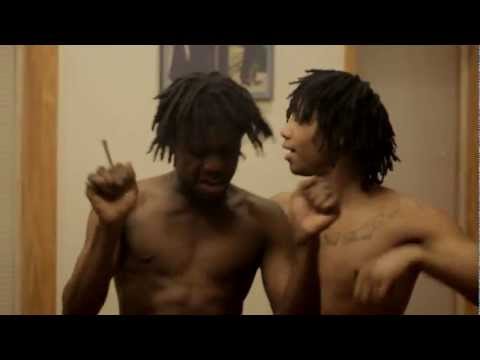
- Chief Keef — an emblematic figure whose breakout songs became anthems.
- Lil Durk and peers — blended melody with the rawness of drill.
- Local scenes inspired international variants in New York and the UK.
Chicago drill changed how rap could narrate survival. Its blunt realism reverberated far beyond the city limits and influenced a new generation of artists worldwide.
Atlanta’s futuristic era — bright synths and a preppy, pop-leaning trap
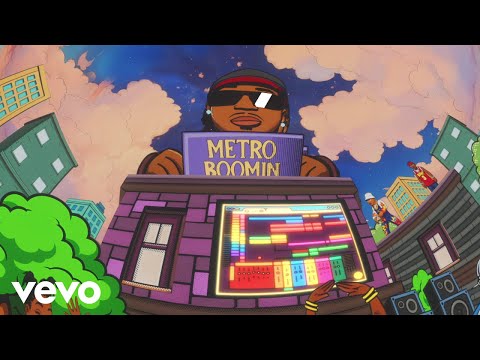
After trap’s darker phase, a countercurrent in Atlanta leaned into color, melody, and fashionable presentation. Producers and rappers embraced synth-heavy textures and glossy hooks.
Audio and visual markers
- Shimmering synth lines paired with heavy sub-bass.
- Catchy vocal hooks that mixed singing and rapping.
- Preppy clothing and mainstream-ready visuals that broadened appeal.
How it differed from earlier trap
- Less cinematic menace, more pop accessibility.
- Artists leaned into mainstream production while keeping regional swagger.
- Fashion choices reinforced a distinct, youthful image.
The futuristic strain offered a bright alternative to trap’s grit. It demonstrated Atlanta’s range and its ability to reinvent the city’s soundscape.
Why these movements still matter to hip-hop’s trajectory
Each scene left a footprint on how artists express identity and community. Movements made space for experimentation and new forms of fame.
- They expanded what counts as hip-hop sound and image.
- Online platforms allowed rapid cross-pollination between scenes.
- Many of today’s trends trace back to these 2010s movements.
In short, the 2010s proved that creativity finds a way. Artists and crews used the internet to turn niche ideas into lasting cultural languages.