Show summary Hide summary
- Where the damage happened and how the flood unfolded
- What reportedly vanished: tapes, beats, and rare demos
- How the event affected Wu-Tang’s momentum and RZA’s work
- How RZA and collaborators adapted creatively
- Lessons in archiving and protecting musical work
- Why this episode remains part of hip-hop lore
At the moment Wu-Tang Clan was becoming a cultural force, an unexpected flood struck the place where RZA shaped many of his earliest sounds. The water didn’t just damage gear. It threatened to erase a formative part of hip-hop history and forced the group’s chief architect to rethink how to protect his work.
Where the damage happened and how the flood unfolded
Accounts place the incident at a private studio and storage space RZA used for beats and demos. Floodwater reached electronics, tapes, and early hard drives. Machines that had captured the raw, experimental sounds of a rising collective were left under inches of water.
Nas slams music industry over disrespect: teases new music, vows to address it
1992 vocal performances: 3 jaw-dropping moments that still amaze

For producers and artists, that kind of loss is both practical and emotional. It can mean the end of songs, sketches, and ideas that never made it to vinyl or CD. It also threatens the archival record of a creative period when a group defines its identity.
What reportedly vanished: tapes, beats, and rare demos
While exact inventories differ by source, the types of material most vulnerable to water damage are clear.
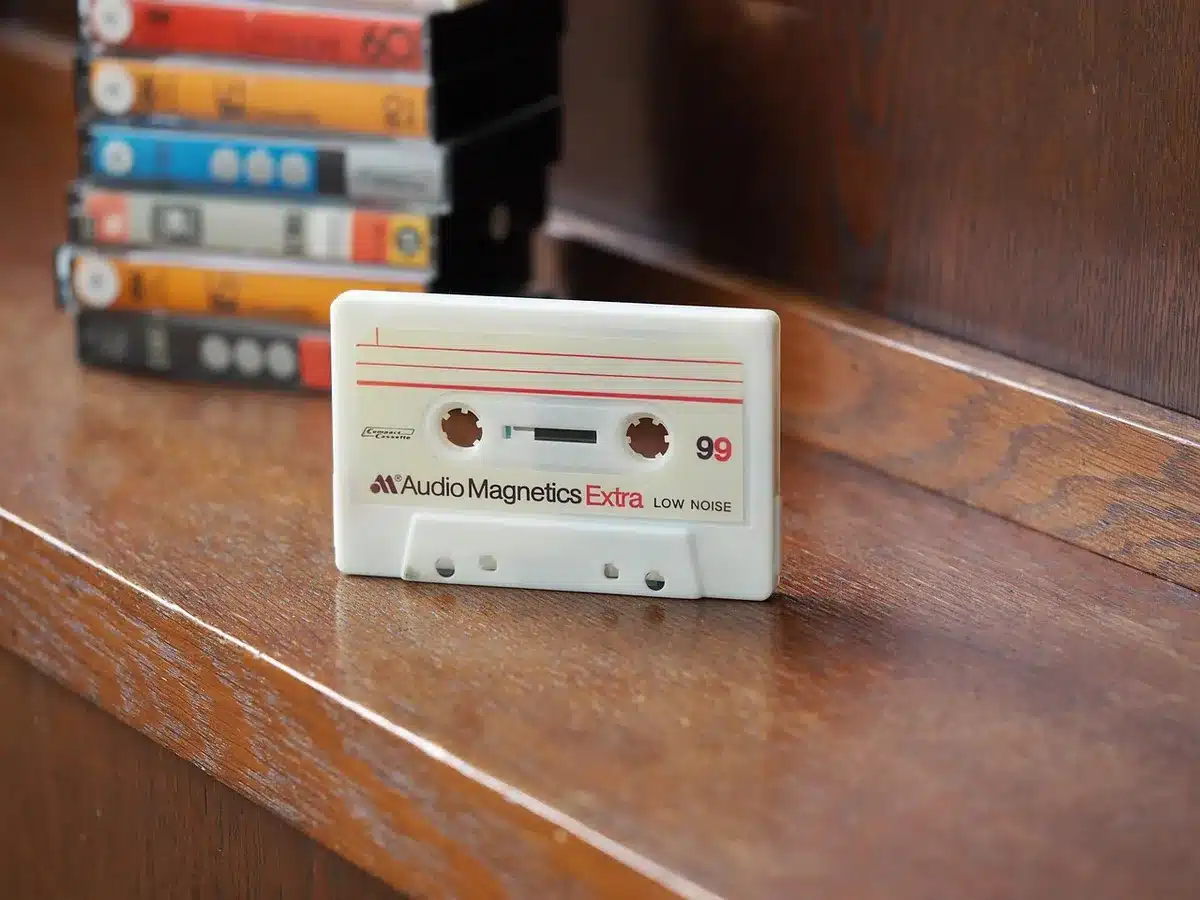
- Analog reels and cassette demos, prone to mold and irreparable warping.
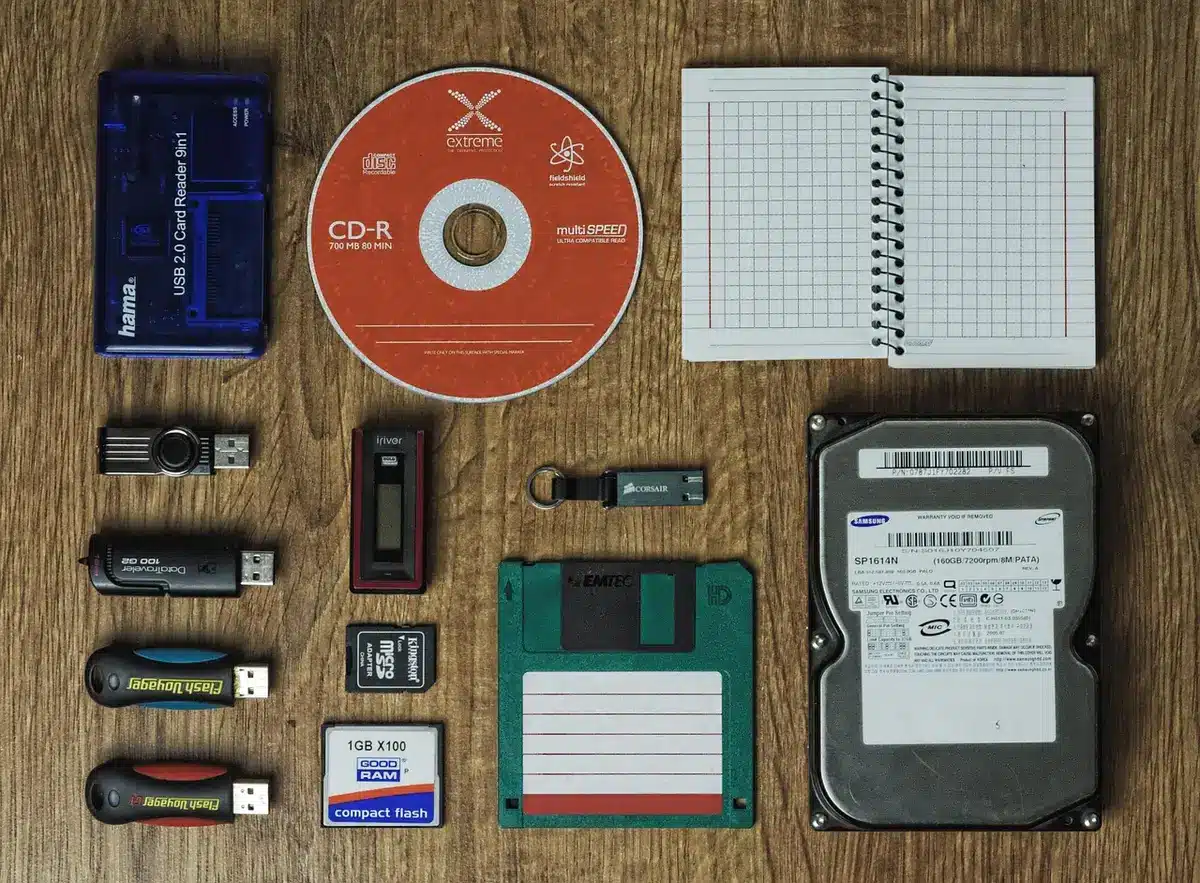
- Hard drive files and floppy backups, often corrupted by moisture and power surges.
- Outboard gear and samplers, whose sounds are hard to replicate.
- Paper lyric sheets and hand-written notes, frequently irreplaceable.
The immediacy of the loss often hinges on the storage medium. Digital files may survive if copied elsewhere. Analog formats rarely fare so well after immersion.
How the event affected Wu-Tang’s momentum and RZA’s work
Any interruption at a key creative node can ripple outward. For a producer directing a sprawling group, losing source material can slow releases and change artistic choices.
- Delay and re-recording: Songs can require reconstruction from memory or scratch.
- Shift in sound: Damaged gear or lost samples may push an artist to new tools.
- Emotional toll: Frustration can fuel urgency or pivot the creative direction.
RZA’s role as beat-maker and curator meant the flood had strategic implications. It tested the group’s resilience during a formative era.
How RZA and collaborators adapted creatively
Turning setback into new sonic choices
When source material disappears, artists often respond by inventing fresh approaches. Limited resources can lead to more inventive sampling and a leaner production style.
Collaborative problem-solving
Bandmates and engineers sometimes pooled what they could salvage. Sessions were rebuilt around surviving loops or new recordings. That communal recovery became part of the creative narrative.
Lessons in archiving and protecting musical work
Those who study music history point to a few clear best practices after incidents like this.
- Redundancy: Keep multiple, geographically separated copies.
- Digital migration: Transfer analog tapes to high-quality digital files.
- Environmental control: Avoid storing media in basements or unprotected spaces.
- Professional recovery: Engage specialists quickly for water-damaged drives and tapes.
Artists and managers who follow these steps reduce the risk of permanent loss. The flood is a cautionary example that still influences how producers archive their catalogs.
Why this episode remains part of hip-hop lore
The image of a master producer watching early work wash away resonates beyond practical loss. It becomes myth.
- Rarity increases mystique: Lost mixes and demos become legendary.
- Fan interest grows: Collectors hunt for surviving artifacts and alternate takes.
- Legacy shapes narrative: Stories of survival and reinvention feed an artist’s public image.
For many fans, the incident underscores the fragile, human side of creating music. It also reminds us how closely preservation and cultural memory are linked.