Show summary Hide summary
- How a 1970s funk groove became a 1990s hip-hop anthem
- Production choices that made the sample sing
- Legal clearances and the business behind the music
- The musical chemistry between funk and gangsta rap
- How audiences and critics responded
- Artists’ reflections and the Isley Brothers’ legacy
- Why the pairing still matters today
When Ice Cube released “It Was a Good Day” in 1992, listeners were struck by its calm, sunlit groove. That warmth owes a great deal to an older record: the Isley Brothers’ 1977 track “Footsteps in the Dark.” By lifting and reimagining that melody, Cube turned a mellow funk ballad into one of hip-hop’s most remembered moments.
How a 1970s funk groove became a 1990s hip-hop anthem
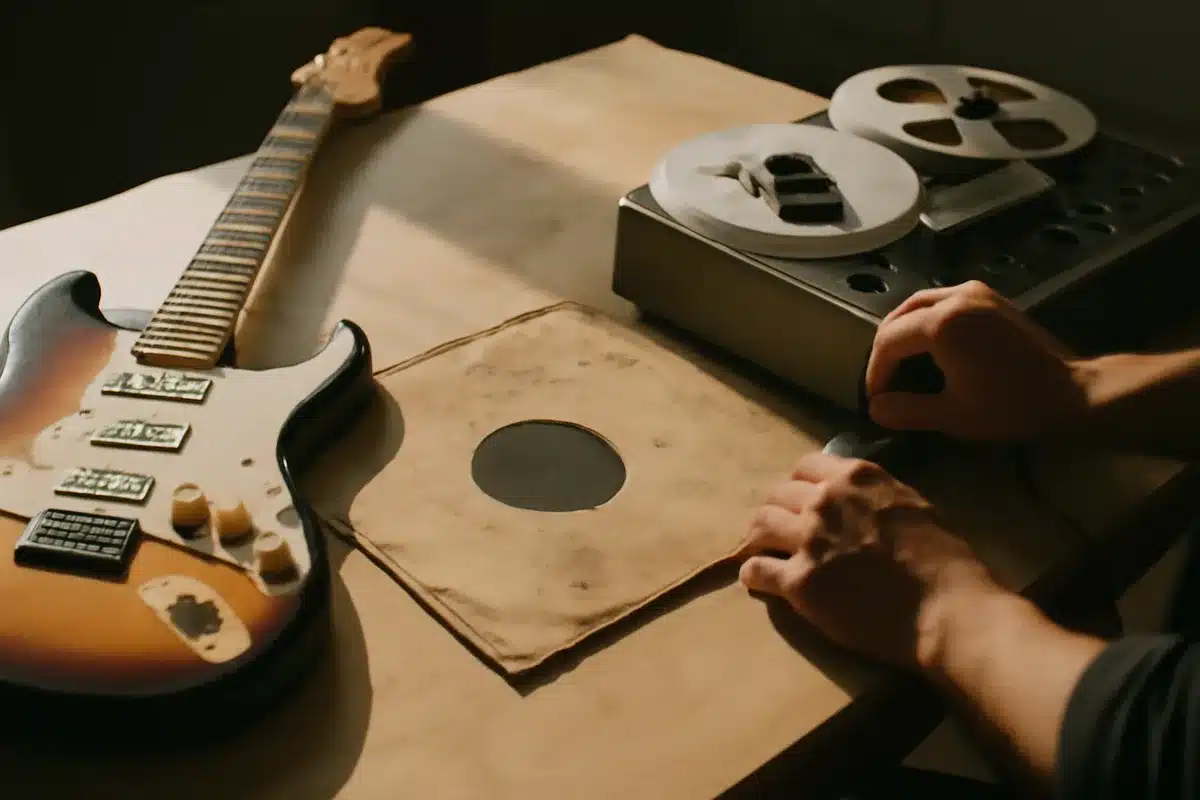
Sampling is a conversation across decades. Producers and artists pick threads from the past and weave them into new stories. Ice Cube heard the Isley Brothers’ guitar and chord progression and built a narrative on top of it. The result mixed nostalgia with contemporary street storytelling.
Nas slams music industry over disrespect: teases new music, vows to address it
1992 vocal performances: 3 jaw-dropping moments that still amaze

- The source: “Footsteps in the Dark” by the Isley Brothers provided the core loop.
- The transformation: Ice Cube and his production team slowed and looped the riff.
- The effect: A laid-back musical bed that contrasted Cube’s precise, reflective lyrics.
Production choices that made the sample sing
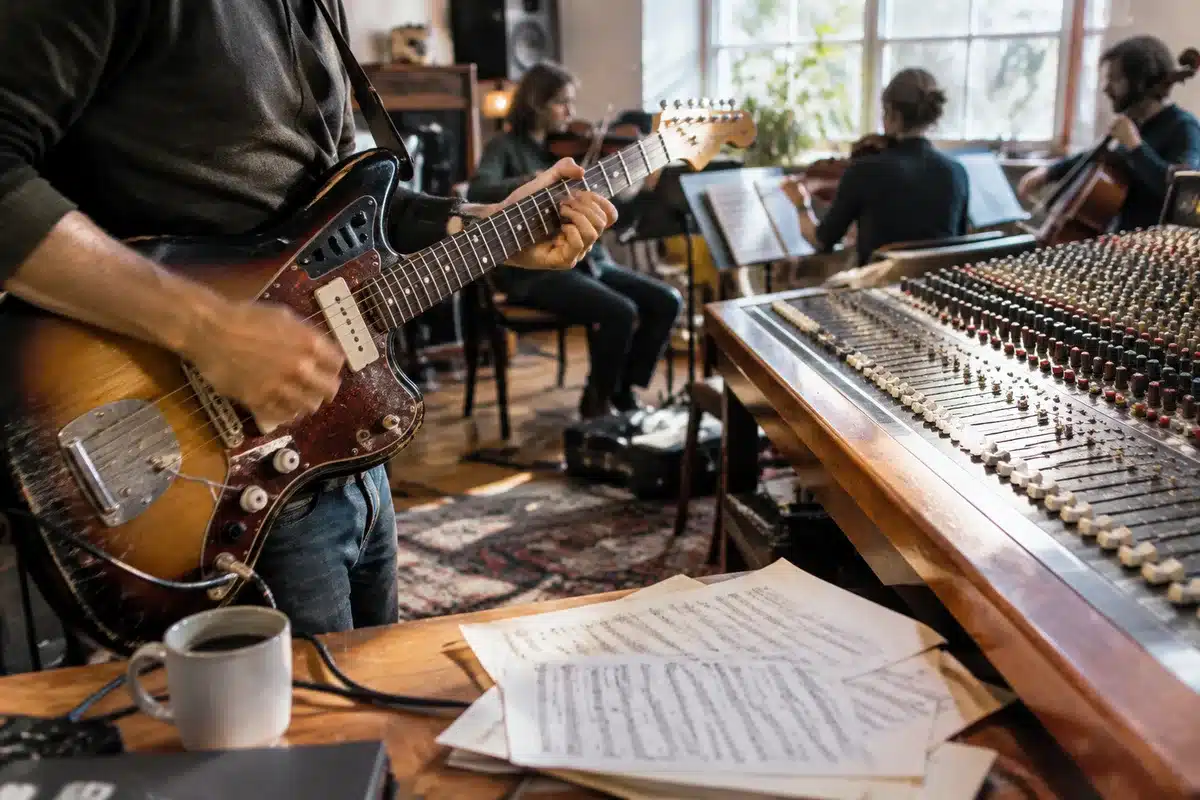
Behind the scenes, several small decisions shaped the track’s mood.

- Tempo: the loop was slightly slowed to emphasize the groove.
- Equalization: low mids were boosted to make the guitar warm and round.
- Arrangement: sparse percussion let the sample breathe.
These moves helped the sample feel like part of a new composition, not just a lifted phrase. Producers treated the Isley Brothers’ work with restraint. The original texture remained intact. That restraint allowed Ice Cube’s storytelling to stand in sharp relief.
Legal clearances and the business behind the music
Using a recognizable sample means negotiating rights. By the early 1990s, labels were more conscious of clearing samples. Ice Cube’s team cleared the Isley Brothers’ work. That process affected credits and royalties.
What clearance means for artists
When a sample is cleared:
- Original writers receive publishing credit.
- Royalties are shared from sales and radio play.
- Legal risk of lawsuits is reduced.
For legacy acts like the Isley Brothers, sampling became a new income stream. It also reintroduced their catalog to younger listeners who might not have discovered them otherwise.
The musical chemistry between funk and gangsta rap
Funk’s smoothness and hip-hop’s rhythm make natural partners. The Isley Brothers offered melodic richness. Ice Cube supplied gritty narration. Together, they created a sonic balance.
- Melody: The Isley Brothers’ chord work gave “It Was a Good Day” an emotionally reflective tone.
- Lyrics: Cube’s verses transformed that tone into a story about rare calm amid chaos.
- Audience impact: Fans heard something familiar yet new.
How audiences and critics responded
“It Was a Good Day” became a cultural touchstone. Critics praised the song’s unusual blend of optimism and realism. Radio stations gave it steady play. The song still appears on lists of the era’s best tracks.
The use of the Isley sample was often singled out. Many listeners credited the loop with giving the song its memorable, cinematic quality.
Artists’ reflections and the Isley Brothers’ legacy
Members of the Isley Brothers and their circle have acknowledged the recurring role of their work in hip-hop. Their songs offered rich textures that producers favored. Sampling helped cement their influence on later generations.
The creative ripple effect
- Other hip-hop acts sampled the Isleys for similar warm vibes.
- Young listeners traced samples back to the original funk records.
- Producers learned to treat older recordings as musical archives.
Why the pairing still matters today
The Isley Brothers and Ice Cube represent two chapters of Black musical innovation. One provided the sonics of romance and contemplation. The other translated those sonics into a street-level parable of respite. That pairing created a track that resonates across generations.
More than a sample, it became a bridge—a way for listeners to move from late-1970s soul into 1990s West Coast realities. The song’s continued relevance shows how music can connect different eras and audiences.