
Show summary Hide summary
- How the film uses Neil Diamond’s music to tell a bigger story
- Plot essentials and the world of the tribute band
- Kate Hudson’s grounded, luminous turn
- Hugh Jackman’s high-energy and empathetic portrayal
- Ensemble cast that enriches the story
- Key scenes and emotional stakes without spoilers
- Direction, tone, and the film’s emotional architecture
- Soundtrack choices and how songs are staged
- Practical details: festival screening and release info
Craig Brewer’s Song Sung Blue arrives as a warm, occasionally wrenching portrait of music, marriage, and the odd ways songs bind people together. The film reframes Neil Diamond’s catalog through a fictional tribute group and leans into both small triumphs and sudden loss. It feels like a road trip through Midwest bars, family kitchens, and the sticky joy of a chorus everyone can sing along to.
How the film uses Neil Diamond’s music to tell a bigger story
Instead of tracing the life of its famous songwriter, Song Sung Blue lets Diamond’s hits act as a heartbeat for its characters. Brewer mines the melodies for emotional beats. The songs become markers for courtship, grief, and the defiant pleasure of performing.
Nas slams music industry over disrespect: teases new music, vows to address it
1992 vocal performances: 3 jaw-dropping moments that still amaze
- Music as narrative: Tracks punctuate turning points in character arcs.
- Community through cover songs: Shared performances create a sense of belonging.
- Contrast of joy and sorrow: Upbeat choruses sit beside scenes of real pain.
Plot essentials and the world of the tribute band
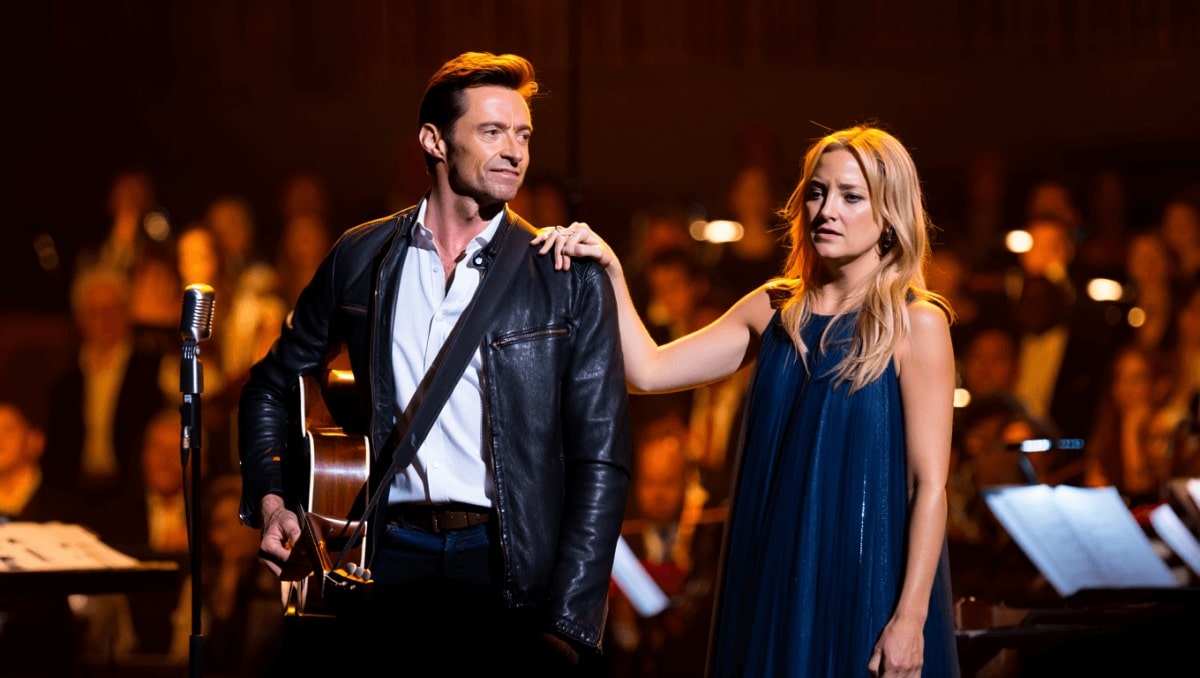
Set largely in Milwaukee, the film follows Mike Sardina and Claire Stengl, two performers who find one another while playing staged celebrity acts at fairs and dives. A chance hangout turns into a creative partnership. They marry, blend families, and eventually build a tribute act that channels Diamond’s catalog.
Lightning and Thunder: the band at center stage
Their group, known as Lightning and Thunder, works small venues and grows into something that feels electric. Their shows are equal parts nostalgia and reinvention. The narrative tracks the band’s highs and an unexpected catastrophe that threatens everything they’ve built.
Kate Hudson’s grounded, luminous turn
Hudson sheds some of her rom-com gloss and anchors Claire with lived-in warmth. This is a character anchored in family life. She wears sequins and thrift-store sweaters with the same conviction. The performance leans into tenderness and fierce resilience.
- Claire is a mother and performer, not an idealized heroine.
- Hudson brings small gestures that make the role feel authentic.
- The emotional center: Her arc is the film’s most intimate thread.
Hugh Jackman’s high-energy and empathetic portrayal
Jackman plays Mike, who prefers the stage name Lightning. The role calls for bravado and vulnerability in equal measure. Early scenes show him loud and theatrical. That surface bravado slowly reveals a man driven by longing and stubborn optimism.
At first, Lightning’s performative swagger can feel exaggerated. Over time, Brewer and Jackman reveal why he must always be performing. The character’s relentless self-presentation becomes a form of survival.
Ensemble cast that enriches the story
Brewer populates the film with quirky, believable supporting players. These characters provide humor, friction, and heart. Their presence prevents the movie from feeling like a two-person study and expands the emotional palette.
- King Princess offers a fragile, poignant turn as Lightning’s daughter.
- Ella Anderson portrays the stepchild who rounds out family tensions.
- Veterans like Michael Imperioli and Jim Belushi add texture and working-class sensibility.
- Mustafa Shakir and Fisher Stevens give the band a warm, lived-in group dynamic.
Key scenes and emotional stakes without spoilers
Brewer does not shy away from darkness. A violent accident becomes the film’s central crisis. It reshapes relationships and forces characters to re-evaluate who they are outside the stage lights.
- Before the accident: Joyful performances and growing family bonds.
- After the accident: Pain, anger, and a marriage tested to its limits.
- What saves them: Music and chosen community form a fragile lifeline.
Direction, tone, and the film’s emotional architecture
Brewer balances lightness with grit. The film can be laugh-out-loud funny one moment and quietly devastating the next. That tonal mix mirrors the emotional swing of Neil Diamond’s best work.
Song Sung Blue uses close-ups and performance set pieces to show how a chorus can pull strangers into a single feeling. The result feels intimate and cinematic at once.
Soundtrack choices and how songs are staged
Diamond’s hits are not just background music. They’re staged with intention. Songs appear at moments that amplify character growth.
- Performances in bars and fairs capture communal joy.
- Private renditions reveal interior pain.
- Well-placed choruses turn ordinary scenes into shared ritual.
Practical details: festival screening and release info
Song Sung Blue screened at AFI Fest before its wide release. The film opens in theaters on Dec. 25. Expect a mix of heartfelt drama and tuneful celebration.










