Show summary Hide summary
Bring Me the Horizon turned a marketing move into a punchline this week when they rolled out an $80 VIP ticket and wrapped the campaign in a tongue-in-cheek “apology” aimed at a rock frontman they’d previously teased. The stunt blends self-awareness with crowd-pleasing merchandise, and it quickly dominated social feeds and music feeds alike.
How the band set the stage with a playful jab
The exchange started when the band openly mocked a well-known rock singer for launching premium concert tiers. Fans noticed the dig and called it out on social media. Instead of backing down, Bring Me the Horizon leaned into the bit.
Nas slams music industry over disrespect: teases new music, vows to address it
1992 vocal performances: 3 jaw-dropping moments that still amaze

- Public banter: The band’s posts used humor to reference the other artist’s VIP offers.
- Timing: Their own announcement arrived soon after, turning the tease into a full campaign.
- Brand voice: The move matched the group’s history of edgy, self-referential promotion.
What’s in the $80 VIP bundle and why it matters
The new VIP option lists perks that fans expect from premium packages. The price point sits in a sweet spot for many concertgoers. It’s accessible while still offering perceived value.

- Early entry or preferred seating options.
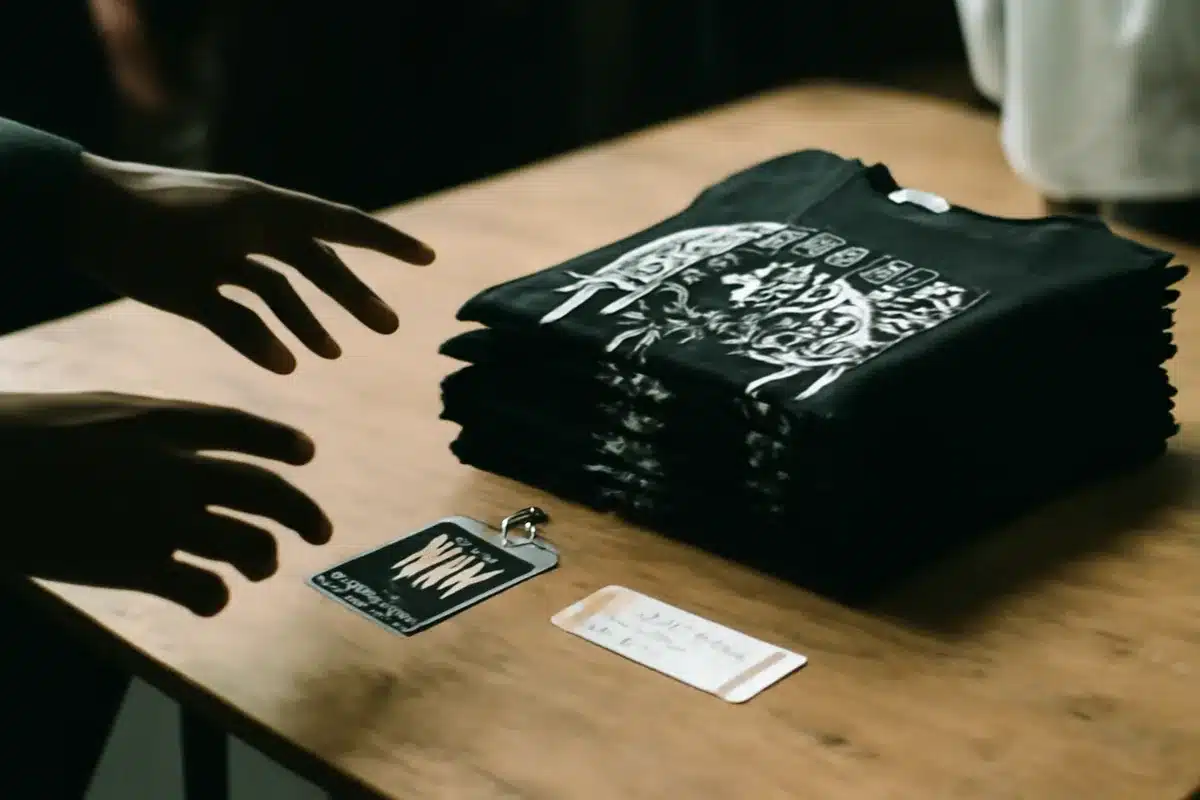
- Exclusive merchandise or limited-run items.
- Photo opportunities or a digital meet-and-greet.
- Priority merchandise or soundcheck access for some dates.
Perceived value drove conversation. Some fans praised the affordability. Others questioned whether perks justified the fee.
Fans react: laughter, praise and a few eye-rolls
Reactions split across platforms. Many fans loved the joke and shared memes. Others felt it was a swipe at another artist that went too far. Still, engagement spiked.
- Supporters applauded the band’s sense of humor.
- Critics said it was hypocritical to offer similar upsells.
- Neutral observers used the moment to debate concert pricing trends.
Overall, the stunt drove streams, ticket interest, and news stories. Publicity translated into attention for the tour and merchandise drops.
How the targeted artist responded, and what it means
The rock singer at the center of the original joke issued a measured reply. Their response mixed bemusement and a reminder that VIP offers fund touring costs.
- They emphasized the practical reasons for premium tiers.
- They avoided escalating the exchange into a feud.
- They highlighted fan experience as the priority.
This calm stance reframed the conversation. Some observers saw it as a win for professionalism over social-media provocation.
Why bands use humor and controversy to sell shows
Playful jabs and public rivalries can cut through the noise. In an era where promotion is constant, provocation can be effective.
- Higher engagement: Jokes and controversies attract clicks and shares.
- Brand differentiation: A bold tone sets a group apart.
- Revenue impact: Increased attention often boosts ticket and merch sales.
What this campaign signals about concert economics
The episode highlights how artists balance accessibility with income needs. Touring costs, larger production values, and shrinking record revenue push bands toward creative monetization.
Fans will keep debating whether VIP tiers enhance or undermine the live experience. Meanwhile, acts will likely continue experimenting with pricing and publicity.