Show summary Hide summary
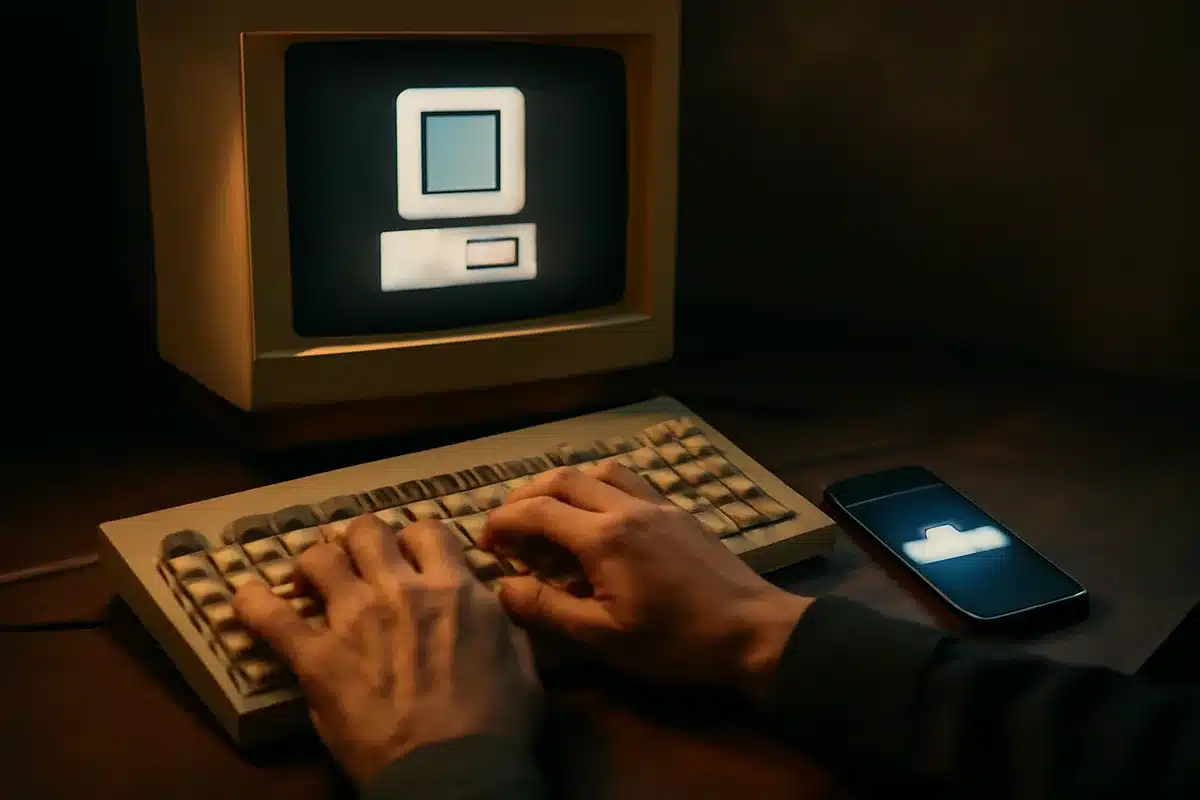
A piece of 1990s software nostalgia is shifting toward modern music habits. The desktop player many remember for its skins and simple playlist controls is preparing to bridge into streaming. Longtime fans and curious newcomers are watching to see how a classic interface will adapt to cloud services, mobile access, and the competitive streaming market.
From desktop icon to streaming contender: the revival story
What began as a small, beloved media player in the 1990s has slowly returned to public view. Owners and developers behind the project have hinted that the next phase will focus on online music access. This move aims to keep the familiar desktop experience while offering features users now expect from streaming apps.
Nas slams music industry over disrespect: teases new music, vows to address it
1992 vocal performances: 3 jaw-dropping moments that still amaze

Why the comeback matters
- It taps into nostalgia while trying to capture modern listeners.
- It signals a shift from local-file playback to hybrid cloud models.
- It could influence how legacy desktop apps evolve in a streaming-first era.
What the streaming integration could look like
Early announcements and leaks indicate the team is exploring several approaches. Rather than replacing the classic player, the plan appears to layer streaming on top of it. That means users might still manage playlists locally and stream tracks from online catalogs in the same interface.
Potential implementation details
- Cloud libraries — sync your music files and playlists across devices.
- Third-party catalog access — connect to major streaming services or independent sources.
- Web and mobile extensions — lightweight apps or web players to complement the desktop client.

Features fans want and developers are likely to prioritize
The fanbase that remains loyal to the classic player values simplicity and customization. Any streaming version will be judged on how well it preserves those strengths while adding modern tools.
- Skin and plugin support — users expect the same personalization options.
- Robust playlist management — importing, exporting, and merging local and streaming lists.
- Offline playback — the ability to download tracks for use without connectivity.
- High-quality audio — support for lossless formats to appeal to audiophiles.
- Privacy controls — clear settings for collection, usage, and sharing of listening data.
Business and technical challenges ahead
Moving a desktop-focused product into streaming involves legal, technical, and commercial hurdles. Licensing agreements with music rights holders are complex and costly. Integrating multiple catalogs while maintaining a lightweight app requires careful engineering.
Key obstacles to expect
- Negotiating streaming rights and royalties.
- Balancing a classic UI with modern DRM and security needs.
- Ensuring cross-platform performance on Mac, Windows, Android, and iOS.
- Competing with established streaming giants on features and catalog size.
How users and the market might react
Hardcore users could welcome a modernized player that keeps the hands-on feel they love. Casual listeners may be slower to adopt unless the service matches their habits and subscription expectations. Industry observers will watch whether this move nudges other legacy apps to embrace streaming.
Possible outcomes
- A successful blend of local playback and streaming attracts both retro fans and new users.
- The project becomes a niche tool favored by audiophiles and power users.
- Technical or licensing hurdles delay a full rollout, limiting initial features.
What to watch next for reliable updates
Fans should look for official announcements from the project’s developers and verified press coverage. Early previews, beta releases, and developer interviews will reveal concrete plans for streaming partnerships, pricing, and rollout timelines.