Show summary Hide summary
- Reimagining Ian Charleson: an actor’s final curtain
- How the film roots itself in 1989 and the AIDS epidemic
- Theater life: personalities, humor, and domestic warmth
- Privacy vs. public life: the Derek Jarman thread
- Andrew Scott’s performance: nuance, touch, and presence
- Where the film excels visually and emotionally
- Directorial choices that divide: pacing, montage, and music
- Cast, crew, and technical highlights to watch
- Critical reaction at festivals and public anticipation
Andrew Scott delivers a performance that quietly demands attention in Elsinore, a film that folds theater, illness, and the question of how to live into one aching portrait. The movie follows the last chapter of Ian Charleson’s life, his celebrated turn as Hamlet, and the private struggle he kept from the public as AIDS cast its long shadow. This is cinema that seeks to feel as much as it explains, inviting the viewer into both rehearsal rooms and the intimate spaces where touch and silence matter most.
Reimagining Ian Charleson: an actor’s final curtain
Elsinore centers on Ian Charleson, the Scottish performer whose work in Chariots of Fire helped define a generation. The film dramatizes his decision to accept Hamlet at the National Theatre while facing a terminal diagnosis. Rather than treating illness as the only plot, the movie concentrates on choices made under pressure.
Nas slams music industry over disrespect: teases new music, vows to address it
1992 vocal performances: 3 jaw-dropping moments that still amaze
- Subject: Ian Charleson as Hamlet.
- Setting: London, 1989 — at the height of the AIDS crisis.
- Core conflict: art versus survival; privacy versus public disclosure.
How the film roots itself in 1989 and the AIDS epidemic
The year matters. Elsinore places its characters amid a time of fear and neglect. Men were dying in large numbers while institutions often failed to respond. The film captures this climate through small, precise details.

Doctors in the story show the era’s panic in gestures and avoidance. Simple acts, like washing hands or hesitating to touch, speak to a wider social panic. Those moments create a backdrop against which personal courage and secrecy gain meaning.
Theater life: personalities, humor, and domestic warmth
Beyond the stage, the film populates its world with distinctive people. These figures give the lead depth and context.
- Billie Piper plays Patsy Pollock, Ian’s loud, loyal casting agent.
- Sadie Soverall appears as his on-screen niece or daughter, adding family texture.
- Supporting players and stagehands provide humor, often dark or wry, rooted in theatrical tradition.
The movie balances tragedy with moments of levity. It shows an artist who can still laugh, boast, and revel in the craft that defines him.
Privacy vs. public life: the Derek Jarman thread
A key subplot involves Derek Jarman, portrayed onscreen, and the fraught debate over visibility. The filmmakers interrogate whether a public confession would have helped the cause.
Rather than picking a side, the narrative lays out both pressures. One character urges openness as activism. Another defends private dignity and control. The film treats both paths as valid responses to a brutal era.
Andrew Scott’s performance: nuance, touch, and presence
Scott’s work is the film’s anchor. Critics at Telluride and TIFF have varied in their opinions about Elsinore, but praise for Scott is near-universal. He brings a tactile awareness to each interaction.

- He conveys how simple physical contact became charged in that period.
- His reactions to touch—hesitation, relief, longing—are finely calibrated.
- He makes the actor’s vocation feel like a form of faith.
Physical connection becomes a theme: a hand held, a face cupped, a hug given or avoided. These gestures accumulate into emotional truth.
Where the film excels visually and emotionally
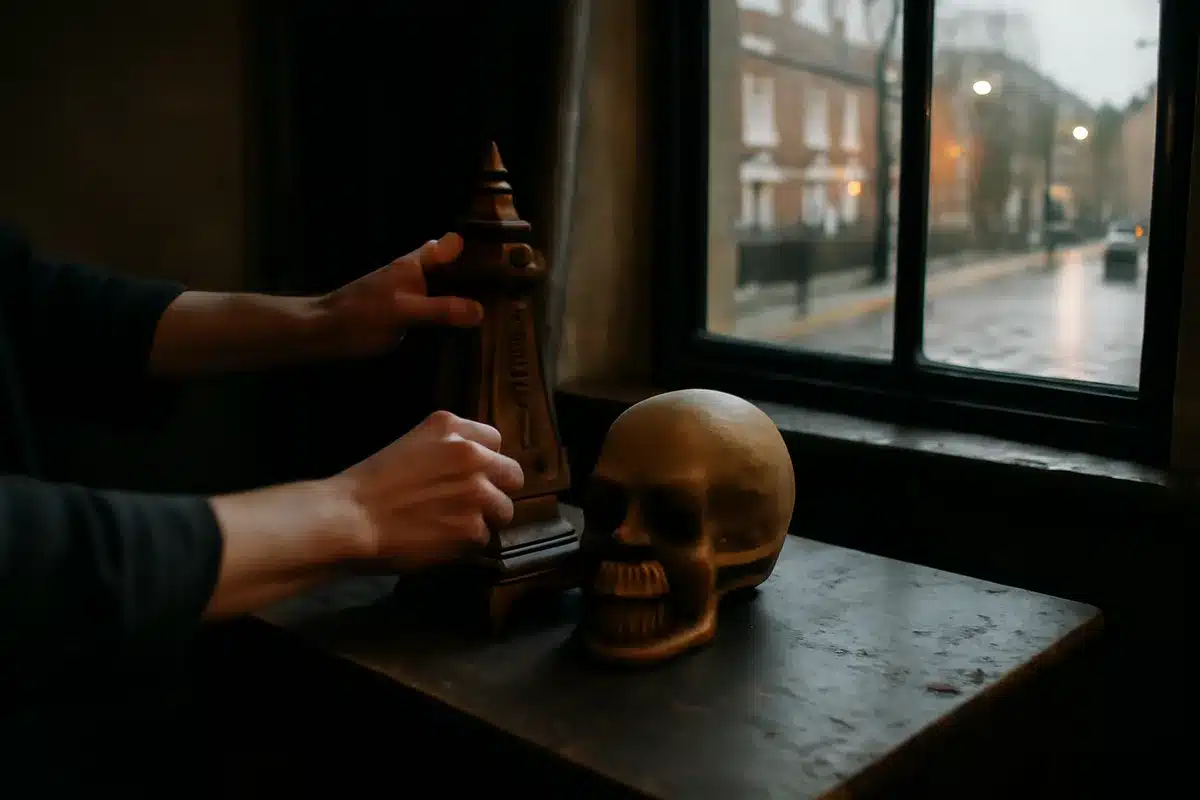
Cinema’s power here is sensory. The camera lingers on rehearsals and quiet backstage rituals. Props and props—like Yorick’s skull—are filmed to feel almost tactile. Sound design and close-ups pull viewers into the body’s fragility.
There are scenes where the movie truly sings. They invite the audience not just to witness Ian’s story, but to reconsider their own relationship to loss, work, and memory.
Directorial choices that divide: pacing, montage, and music
Simon Stone directs with boldness, but some choices falter. The film’s third act leans into a familiar shorthand for decline. Montage and somber imagery step in where restraint might have served better.
The closing moments offer an example. A tradition meant to sound like communal support becomes overwhelmed by a sweeping score. The decision mutes the raw, percussive intimacy of human hands in favor of orchestral emotion.
- Strength: intimate scenes where performance and life blur.
- Weakness: heavy-handed montages that risk sentimentality.
- Missed opportunity: letting natural sound convey the ensemble’s solidarity.
Cast, crew, and technical highlights to watch
Elsinore assembles a strong ensemble and creative team.
- Lead: Andrew Scott as Ian Charleson.
- Supporting: Billie Piper, David Dawson, Sadie Soverall, Olivia Colman in a medical role.
- Director: Simon Stone.
- Composer: Stefan Gregory — whose score occasionally overwhelms ambient sound.
Critical reaction at festivals and public anticipation
The film premiered in Canada at the Toronto International Film Festival. Early reports from TIFF and Telluride show mixed feelings about the film overall.
Still, many reviewers single out Scott’s portrayal as among his most affecting work. His ability to fuse theatrical presence with intimate vulnerability has become a focal point for praise.
Themes that keep the conversation alive
- Art as a mode of transcendence and defiance.
- The politics of illness and the right to privacy.
- How performance can be a last act of self-determination.