
Show summary Hide summary
- Reimagining a myth: the story, stakes, and setting
- Actors who anchor the film: performances that shine
- Storytelling techniques: narration, structure, and theatrical echoes
- Visual worldbuilding: color, sets, and visual effects that mesmerize
- Soundtrack, cinematography, and the film’s technical heartbeat
- Creative collaborators behind the scenes
- Where the film landed and when audiences can see it
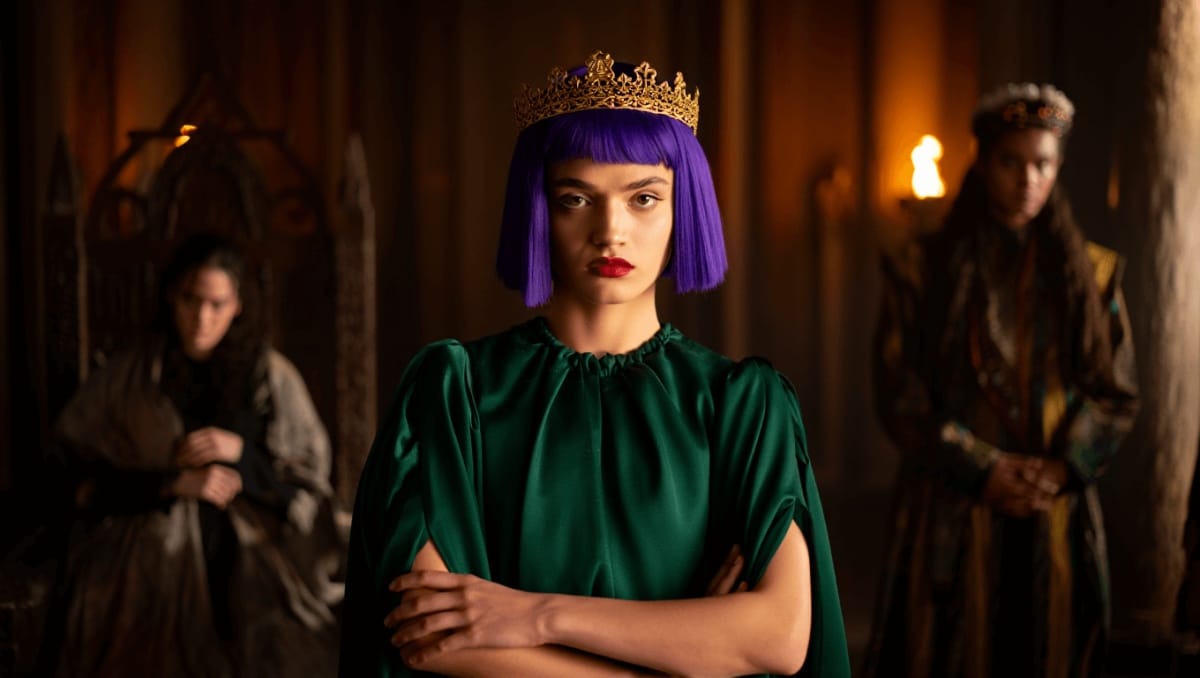
Julia Jackman’s new film 100 Nights of Hero turns a centuries-old power play into a vivid, queer fairy tale. Bright colors, theatrical design, and a mischievous sense of satire propel a story that skewers patriarchal rituals while celebrating the quiet bravery of women who refuse to be boxed in.
Reimagining a myth: the story, stakes, and setting
Set in a stylized empire that feels both medieval and modern, 100 Nights of Hero retools familiar tropes to examine control, desire, and resistance. The plot centers on a cruel domestic decree: a noblewoman must conceive within one hundred nights or be executed. That ultimatum exposes a system that punishes women while preserving male privilege.
Nas slams music industry over disrespect: teases new music, vows to address it
1992 vocal performances: 3 jaw-dropping moments that still amaze
The film blends fairy-tale language with sharp satire. Men in the realm worship an ancestral figure known as the Bird Man. His followers, the Beak Brothers, enforce archaic rules with ritual masks and pomp. Their doctrine elevates a narrow ideal of womanhood: silent, fertile, and compliant. Anything outside that box becomes suspect and dangerous.
Key plot threads to follow
- Cherry, a noblewoman trapped by an arranged marriage and impossible expectations.
- Hero, Cherry’s devoted maid, who hides secrets and tells stories that liberate the imagination.
- Manfred, a charming rogue whose appetite for control drives the central conflict.
- Jerome, the absentee husband who wagers away his wife’s safety.
Actors who anchor the film: performances that shine
The cast delivers a blend of comedy, tenderness, and electric chemistry. Emma Corrin and Maika Monroe are the emotional core. Corrin’s Hero is sharp, protective, and slyly humorous. Monroe’s Cherry gives restraint a haunting beauty, her silence carrying deep currents of yearning.
Nicholas Galitzine plays Manfred with roguish swagger and a selfish streak. Richard E. Grant appears as the ominous patriarchal figure at the heart of the realm. The film also includes a striking turn by Charli XCX in a brief, memorable role.
- Emma Corrin — Hero: storytelling, wit, and fierce loyalty.
- Maika Monroe — Cherry: graceful restraint and private revolt.
- Nicholas Galitzine — Manfred: handsome menace and ego.
- Richard E. Grant — Bird Man: the symbol of male dominion.
- Charli XCX — supporting role in the film’s story-within-the-story.
Storytelling techniques: narration, structure, and theatrical echoes
The film is narrated with a dreamlike cadence that blurs past and present. A storyteller device—tales within the main tale—gives the movie a fable-like rhythm. These interludes feature a trio of sisters whose secret talent challenges the societal rules.
Jackman and her team marry commedia dell’arte elements with precise visual comedy. Symmetry, stylized blocking, and playful editing create a measured, theatrical tempo. The story’s pacing makes every whispered line and staged gesture count.
Visual worldbuilding: color, sets, and visual effects that mesmerize
Design is central to the movie’s impact. Production design, art direction, and visual effects produce a world of saturated hues and baroque details. Corridors glow in neon-rich palettes; stained glass panels tell the empire’s moral tales. Bird-motif armor and oversized religious iconography make every frame feel curated and symbolic.
- Neon and magenta lighting that heightens emotional moments.
- Layered practical sets paired with meticulous VFX.
- Symbolic stained glass and sculptural set pieces.
Costume craft and character identity
Costume designer Susie Coulthard uses clothing to define status and constraint. Cherry’s gowns are ornate and restrictive. Hero’s maid uniform is subtly altered to feel both functional and mythic. The Beak Brothers’ costumes reinforce their ritualistic power.
- Exaggerated sleeve silhouettes and corsetry for the nobility.
- Feathered neckpieces and bird masks for theocratic ceremony.
- Practical tweaks to servant attire that hint at hidden agency.
Soundtrack, cinematography, and the film’s technical heartbeat
The score and narration add texture and melancholy. A commanding vocal narration delivers exposition like a folktale. The music underpins moments of longing and rebellion. Cinematography favors composed, symmetrical framing punctuated by dreamlike lenses.
- Felicity Jones provides the film’s narrated voice.
- Oliver Coates’ score underscores mood and fantasy.
- Xenia Patricia’s cinematography shapes the film’s formal beauty.
- Editors craft a rhythmic flow that balances comedy and tension.
Creative collaborators behind the scenes
This film’s look and feel rely on an accomplished creative team. Credits worth noting include production designer Sofia Sacomani, visual effects supervisor Paul Rice, art director Naomi Bailey, set decorator Tatyana Jinto Rutherston, and costume designer Susie Coulthard. Their combined work turns the movie into a living tableau.
Where the film landed and when audiences can see it
100 Nights of Hero premiered at the BFI London Film Festival and has sparked strong reactions for its visual daring and political bite. The movie is scheduled to open in select U.S. cinemas on Dec. 5 and is set for a UK release in January 2026.










