Show summary Hide summary
Folk music often feels like a map of memory and place. When artists graft punk, metal, noise, or ambient textures onto that map, the result can be unsettling and brilliant. Below are four musicians who used folk as a foundation and rebuilt it into darker, stranger forms.
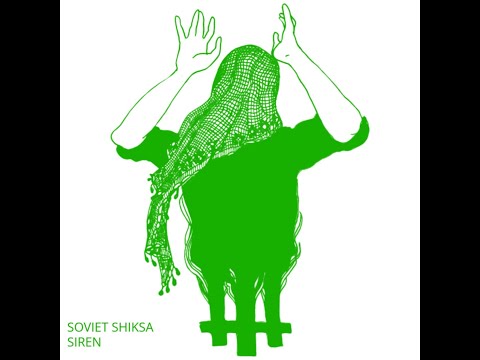
Soviet Shiksa — Nashville’s dark-folk experiment in “nightmare jazz”
Soviet Shiksa is the moniker of Nashville composer Christopher Shawn. He fuses Southern Gothic motifs with improvisational horn lines, stark electric guitar, and percussion that feels ceremonial. Shawn describes the work as “nightmare jazz”, a label that captures its blend of jazz phrasing and unsettling folk drama.
Nas slams music industry over disrespect: teases new music, vows to address it
1992 vocal performances: 3 jaw-dropping moments that still amaze
What the music sounds like
- Baritone-led verses that can flip to fragile falsetto.
- Trumpet and reverb-drenched guitar for cinematic tension.
- Tempo shifts and sudden rhythmic jolts that unsettle.
Must-hear tracks and recent releases
- “Siren” (2024) — a single that moves from grounded vocals into eerie highs.
- Earlier singles and live recordings that emphasize atmospheric layering.
From The Bogs Of Aughiska — Irish black ambient shaped by folklore
Hailing from the west of Ireland, From The Bogs Of Aughiska mines local myth and landscape. The project frames traditional storytelling inside droning textures, black-metal atmospheres, and field recordings. The result is music that reads like an audio ethnography of a remote place.
Key elements of their sound
- Layered ambience and distant vocal narration.
- Black metal tones filtered through spacious, cold production.
- Use of environmental recordings to anchor songs in place.
Notable album to start with
- Mineral Bearing Veins (2018) — combines noisy ambient passages with folkloric verse and bleak, cinematic moments.
SubRosa — Heavy strings and doom-folk textures from the U.S.
SubRosa built a bridge between sludge metal and chamber folk. The band layered bowed basses and violins over crushing riffs, while vocals floated above the weight. Their music leans toward ritualistic heaviness and haunting harmonies.
How they evolved
- Early work emphasized doom and stoner rock influence.
- Strings and unconventional song structure gave them a distinct folk-metal hybrid.
- The band split in 2019, but the creative thread continued.
Where to begin
- Strega (2008) — a debut that showcases sludge, heavy guitar, and layered vocal textures.
- Listen to vocalist Rebecca Vernon’s later project, The Keening, for a more intimate doom-folk approach.
Kiss The Anus Of A Black Cat — Belgian ritual folk turned darkwave
Starting as Stef Heeren’s solo outlet, Kiss The Anus Of A Black Cat moved from occult folk motifs into harsher electronic terrain. Early releases were steeped in ritual noise and dissonant drones. Over time the project adopted cold industrial rhythms and post-punk energy.
Signature traits
- Ritualistic percussion and ominous drones.
- A shift from acoustic menace to synthetic darkwave.
- Themes drawn from witchcraft imagery and medieval ritual.
Albums that mark the shift
- The Nebulous Dreams (2008) — three tracks of bleak, discordant folk and noise.
- To Live Vicariously (2015) — a move toward industrial and post-punk textures.