Show summary Hide summary
- How a Private Project Turned Into the Foo Fighters Debut
- Recording in Isolation: Tools, Studios, and Technique
- What Dave Grohl Played and Why It Mattered
- The Decision to Release Under “Foo Fighters”
- From One-Man Recordings to a Touring Band
- Songwriting, Themes, and the Sound That Defined the Record
- How the Secret Recording Shaped Foo Fighters’ Early Image
- Recording Choices That Kept the Sound Immediate
- Early Reception and the Path Forward
- Lessons from a DIY Breakthrough
When Nirvana ended, Dave Grohl quietly set out to make a record with no expectations. He retreated into studios and bedrooms, laid down tracks by himself, and turned personal loss into a collection of raw, guitar-driven songs. That secret effort would become the first Foo Fighters album and launch a new chapter in 1990s rock.
How a Private Project Turned Into the Foo Fighters Debut
After Kurt Cobain's death, Grohl did not plan a public comeback. He wrote and recorded songs alone, intending the project to be a personal statement. Instead of a standard band session, he handled nearly every part of the music.
Nas slams music industry over disrespect: teases new music, vows to address it
1992 vocal performances: 3 jaw-dropping moments that still amaze
- He wrote songs quickly from grief and reflection.
- He played multiple instruments on the recordings.
- He chose anonymity at first to keep the focus on the music.
Recording in Isolation: Tools, Studios, and Technique
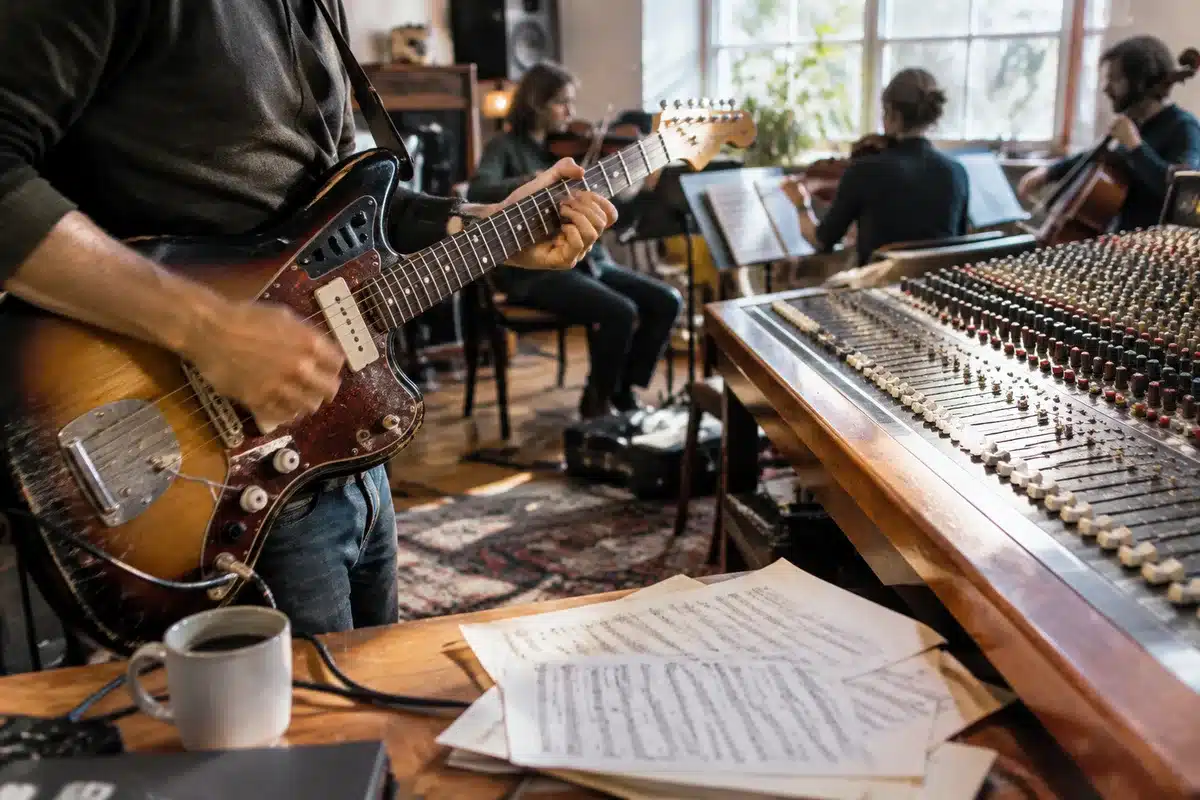
Grohl kept the sessions low-profile. He booked studio time and worked late nights. The approach was pragmatic and hands-on.
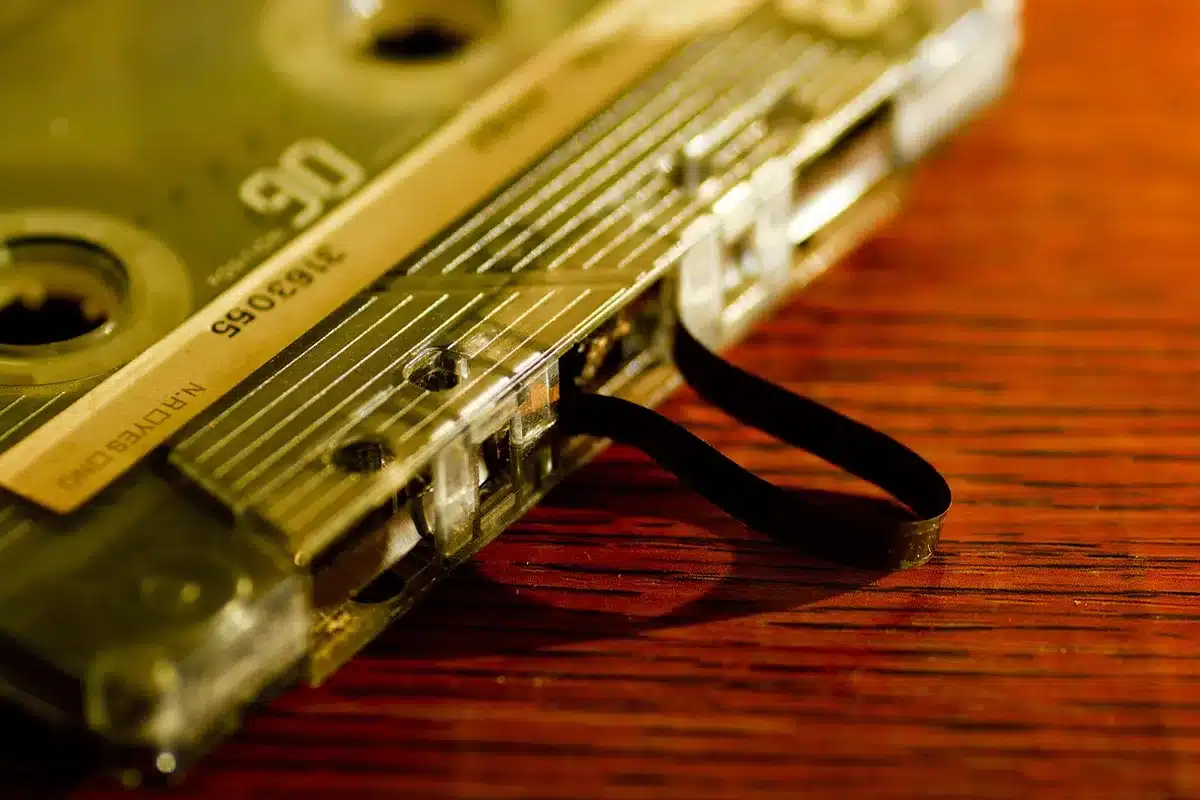
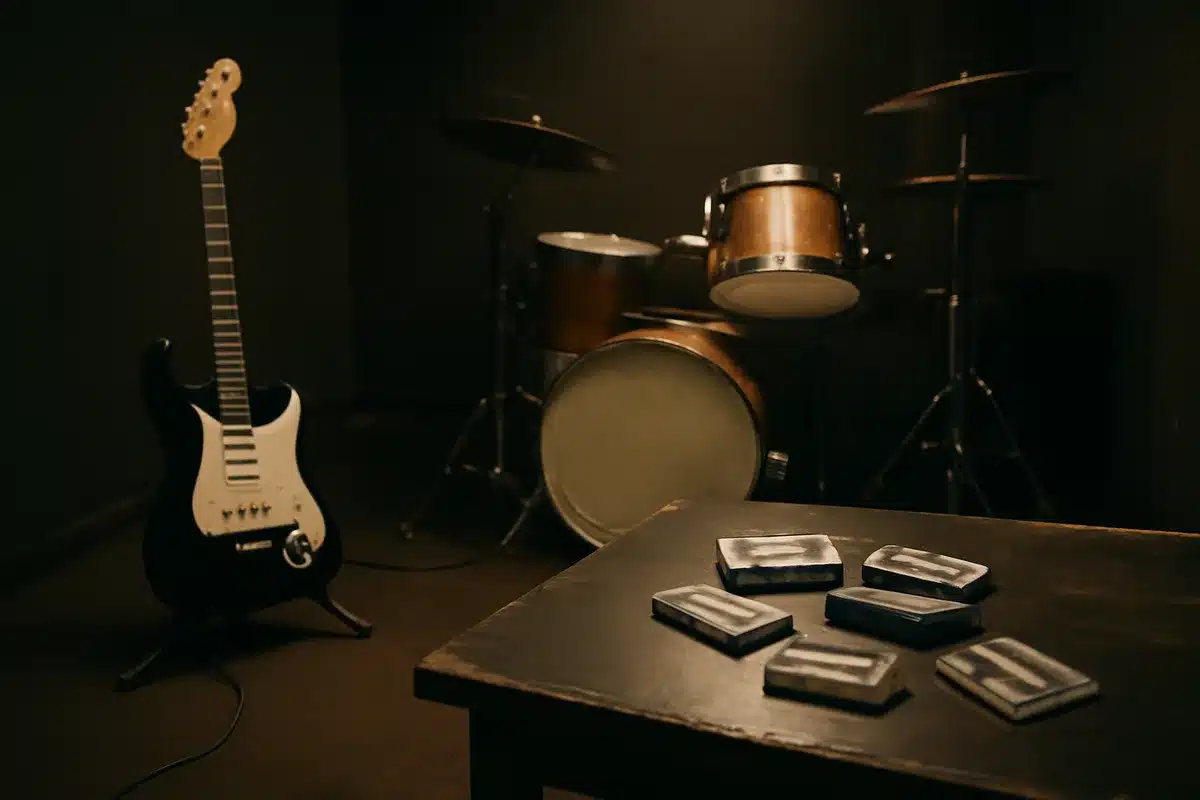
- He tracked drums, guitars, bass, and vocals on multitrack tape.
- He used straightforward mic setups and analog gear for a raw tone.
- He layered parts himself rather than hire session players.
The result sounded immediate and unvarnished. That was by design — an honest rock record without heavy production gloss.
What Dave Grohl Played and Why It Mattered
Rather than recruit a backing band, Grohl took on the workload. He handled the parts with an instinctive sense of songwriting and rhythm.
- Drums: the driving engine of every track.
- Guitars: both rhythm and lead work were his.
- Bass and vocals: completed the arrangements.
Playing so many roles allowed him to shape the songs exactly as he heard them. That control produced a cohesive sonic identity for the album.
The Decision to Release Under “Foo Fighters”
Rather than use his own name, Grohl picked a band name to keep the project separate. The pseudonym gave the record room to breathe on its own merits.
- The name hid the solo nature of the sessions at first.
- It avoided immediate comparisons to his past bands.
- It offered a fresh platform for promoting the music.
From One-Man Recordings to a Touring Band
Once the album was finished, Grohl assembled musicians to translate the songs live.
Key players who joined soon after
- Nate Mendel — bass player brought in for stability.
- William Goldsmith — early Foo Fighters drummer for live shows.
- Pat Smear — added guitar and stage experience.
These additions turned the studio project into a functioning band, able to tour and promote the new music.
Songwriting, Themes, and the Sound That Defined the Record
The tracks blended punchy rock riffs with melodic hooks and candid lyrics. Emotion and energy carried the songs.
- Lyrics often reflected transition and resilience.
- Guitar parts were direct and memorable.
- Production choices favored clarity over polish.
The album felt like a reinvention propelled by honest performances. Fans heard urgency more than calculated studio craft.
How the Secret Recording Shaped Foo Fighters’ Early Image
The story of a single musician creating a full rock album generated intrigue. It underlined Grohl’s versatility.
- Industry insiders took note of his multi-instrument skills.
- The narrative helped the band gain quick attention.
- It set expectations for strong live shows and tight songwriting.
The myth of the one-man recording still influences how people view the band’s origin.
Recording Choices That Kept the Sound Immediate
Rather than chase studio perfection, Grohl embraced first takes and spontaneous performances.
- Drum parts often retained raw dynamics.
- Guitar tones were straightforward, with few effects.
- Vocals were mixed to sit front and center.
This approach made the album feel like a snapshot of a single artist at a turning point.
Early Reception and the Path Forward
Critics and listeners responded to the honesty of the recordings. The album established a new identity separate from Grohl’s previous work.
- It won praise for strong hooks and driving rock energy.
- It gave Grohl a platform to expand Foo Fighters into a full band.
- It shaped the group’s musical direction in the years that followed.
Lessons from a DIY Breakthrough
The debut demonstrated that a single creative vision can power an entire record. It also showed the value of recording quickly and authentically.
- Artistic control can yield a clear musical statement.
- Minimal production can enhance emotional impact.
- Turning a private project public can start a lasting legacy.