Show summary Hide summary
- What Lil Wayne says happened with the Young Money mark
- Why a sports league would care about a rap label logo
- A look back at the Young Money symbol
- How these disputes usually play out in court
- Reactions from fans and the fashion world
- Brand strategy lessons for artists and labels
- Legal experts explain typical defenses and next steps
- How this affects Young Money’s legacy and merchandise
- Where the story stands now and what to watch next
Lil Wayne says that Major League Baseball pressured him to stop using the original Young Money logo. The claim has fans, designers, and legal observers talking about where culture, commerce, and trademark law collide.
What Lil Wayne says happened with the Young Money mark
According to the rapper, the change was not voluntary. He describes the move as the result of a demand from an MLB representative. The dispute centers on a logo that once represented his Young Money label.
Nas slams music industry over disrespect: teases new music, vows to address it
1992 vocal performances: 3 jaw-dropping moments that still amaze
Wayne frames the shift as a clash between an independent brand and a major sports entity. He says the label had to retire the earlier emblem amid pressure.
Why a sports league would care about a rap label logo
Major sports leagues protect their visual identity closely. Logos are core to licensing, merchandising, and broadcast branding.
- Leagues file trademarks to block confusingly similar marks.
- Silhouettes and color schemes can trigger trademark enforcement.
- High-profile disputes aim to prevent dilution of famous marks.
When icons look alike, legal teams act fast. That can force small brands to redesign rather than fight costly litigation.
A look back at the Young Money symbol
The Young Money logo changed several times over the years. Early versions were raw and tied to mixtape culture.

As the label grew, the logo became a vital asset for merchandising and identity. That made any challenge costly in branding terms.
How these disputes usually play out in court
Trademark disputes hinge on whether consumers might confuse one mark for another.
- First, an assessment of similarity takes place.
- Next, courts weigh whether the senior mark is famous or diluted.
- Finally, remedies range from a cease-and-desist to negotiated settlements.
Often, fighting a well-funded defendant is less practical than updating the design. That appears to be what Wayne claims occurred.
Reactions from fans and the fashion world
Supporters of Wayne say artists should be free to shape their image. Others argue that leagues must guard their trademarks.
- Fans posted vintage Young Money gear after the announcement.
- Streetwear designers noted how sports imagery influences hip-hop fashion.
- Collectors wonder if early logos will rise in value.
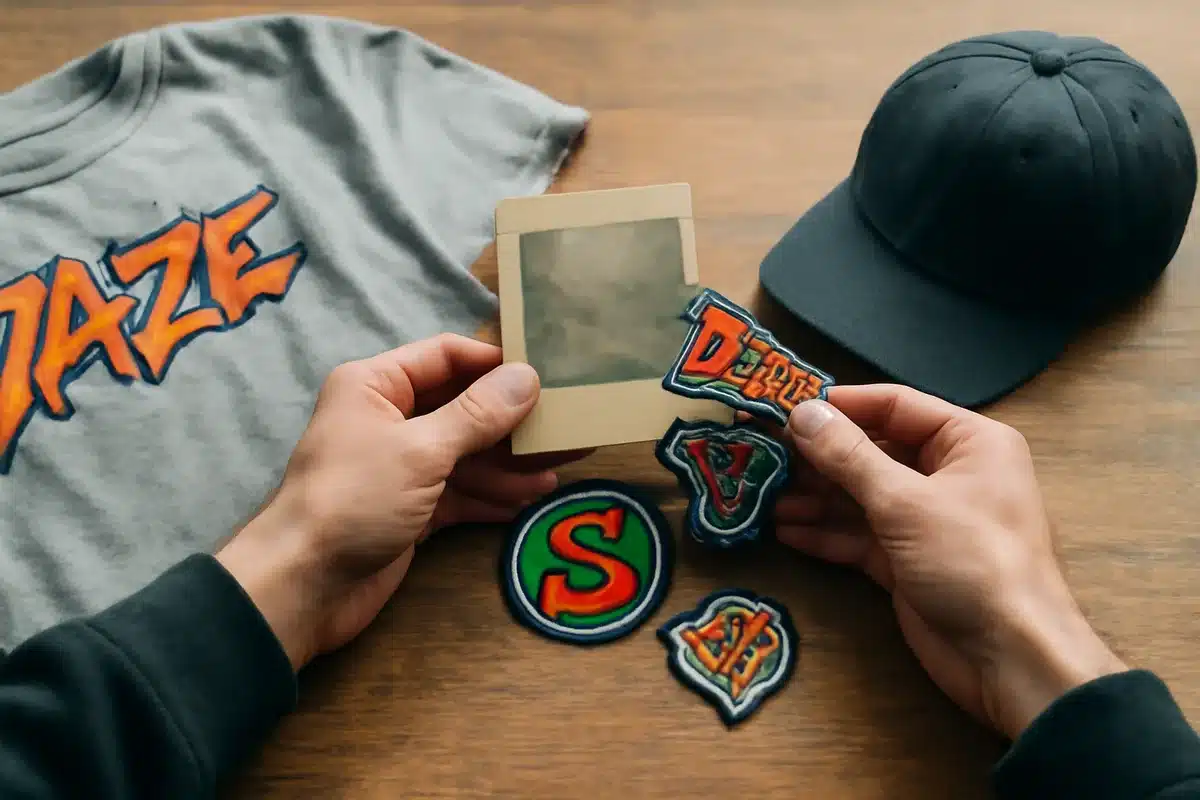
Collectors and resellers may treat retired logos like limited drops, boosting demand.
Brand strategy lessons for artists and labels
Wayne’s experience highlights the need for early trademark checks. Creative teams must vet designs before public release.
- Run comprehensive trademark searches internationally.
- Consider seeking a legal opinion when a design nods to sports imagery.
- Keep alternative marks ready to avoid last-minute rushes.
Legal experts explain typical defenses and next steps
Lawyers say the key defenses include fair use and lack of consumer confusion.
But those defenses can be expensive to litigate. Many clients weigh litigation costs against the cost of rebranding.
Settlement or redesign often becomes the pragmatic route for smaller entities.
How this affects Young Money’s legacy and merchandise
Changing a logo can reset an imprint’s visual history. It can also create new marketing moments.
- New drops often celebrate the old design.
- Limited releases of retired logos can be lucrative.
- Brand refreshes may bring renewed media attention.
Where the story stands now and what to watch next
Wayne’s claim has sparked fresh attention to artist-brand conflicts. It also raises questions about how far sports leagues will police lookalikes.
Watch for follow-ups from both sides, possible legal filings, and any official statements from MLB or Young Money. Public reaction may shape future decisions