

Show summary Hide summary
The year 2011 reshaped electronic music in unexpected ways. Three records released that year still sound fresh today, and in 2026 they each reach a notable milestone: their 15th anniversary. These albums helped move EDM beyond festival drops and into richer, more varied territory. Below we revisit why they mattered then — and why they still matter now.
SBTRKT — SBTRKT (2011): intimate beats meet modern soul
When SBTRKT’s self-titled debut arrived, it braided dubstep rhythms with soulful vocals and a touch of UK garage. The album felt personal, even masked by anonymity. That combination made it an instant talking point in 2011.
Nas slams music industry over disrespect: teases new music, vows to address it
1992 vocal performances: 3 jaw-dropping moments that still amaze

Why it stood out
- Vocal collaborations with artists like Sampha gave each track emotional weight.
- Production mixed analog warmth and clipped percussion, creating texture over loudness.
- Its modest runtime kept the focus tight — no filler, just mood and momentum.
Tracks that still hold up
- “Wildfire” — spacious and cathartic, it links club sensibilities to heartfelt lyricism.
- “Hold On” — restrained drums and shimmering pads make this a standout.
- “Trials of the Past” — a haunting closer that highlights the album’s darker edges.
Impact: SBTRKT helped bring a more nuanced listening experience to electronic music. Producers took note that restraint and emotion could be as powerful as maximalist drops.
Rustie — Glass Swords (2011): maximalist synths and videogame energy
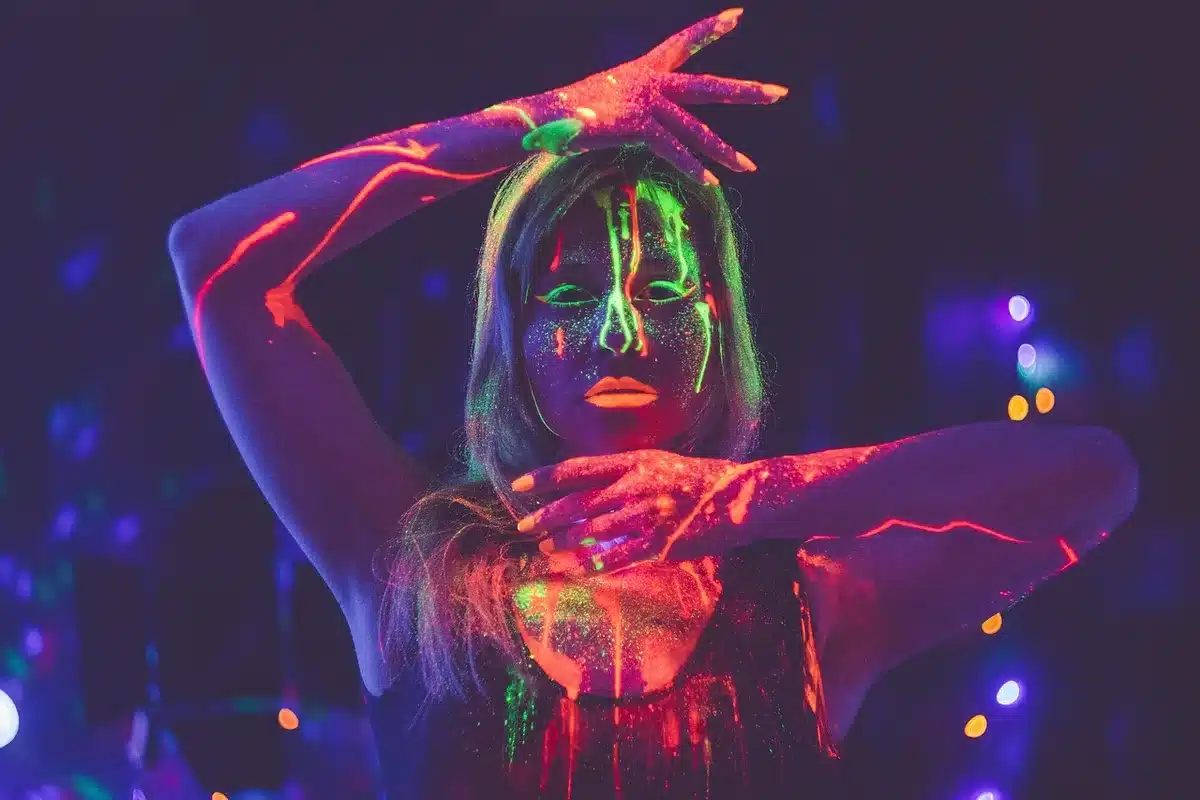
Rustie’s Glass Swords crashed into 2011 with colors, chaos, and big synths. It felt like an arcade cabinet fused with rave nostalgia. The album’s bold sonic palette pushed bass music into neon territory.
What made it revolutionary
- Genre fusion: elements of hip-hop, wonky, and electro collided in inventive ways.
- Glittering leads and frantic percussion created a sense of joyful excess.
- Production choices prioritized texture; every listen revealed new layers.
Essential cuts
- “Ultra Thizz” — relentless and euphoric, it became a signature track for Rustie’s sound.
- “Hover Traps” — dreamlike moments balance the album’s harder edges.
- “Attak” — shows Rustie’s willingness to tune chaos into catchy motion.
Legacy: Glass Swords inspired a wave of producers to embrace color and maximalism. Its influence appears in later bass and festival-oriented productions that favor spectacle without losing craft.
Justice — Audio, Video, Disco (2011): rock-infused electro that matured the scene
Following the massive success of their earlier work, Justice pivoted with Audio, Video, Disco. The album swapped some of the heavy stomps for live instrumentation and longer, more cinematic compositions.
How it redefined expectations
- Live textures: guitars, synth solos, and analog flourishes emphasized musicianship.
- Song structures expanded; tracks breathe and evolve rather than loop endlessly.
- The production retained grit, yet aimed for a warmer, more human sound.
Standout tracks
- “On’n’On” — a triumphant opener with driving rhythm and melodic clarity.
- “Audio, Video, Disco” — a title track that skews cinematic and anthemic.
- “Canon” — a slow-burning, synth-led piece that showcases the duo’s compositional growth.
Significance: Justice’s move toward longer, more textured songs signaled that electronic acts could evolve like traditional bands. The album broadened what listeners expected from dance producers.










