

Show summary Hide summary
- How shoegaze textures found their way into 90s alternative rock
- Radiohead — “Street Spirit (Fade Out)” (1996): minimal arrangement, maximal atmosphere
- The Smashing Pumpkins — “Soma” (1993): layered distortion and emotional overload
- The Verve — “Gravity Grave” (1992): space-rock mood meets shoegaze haze
- Shared techniques that shaped 90s alternative hits
- How these songs influenced what came after
The hazy, reverb-soaked sound of shoegaze left a faint but persistent fingerprint on many alternative rock records of the 1990s. Bands that emerged in the post-grunge era often borrowed the genre’s dense guitar textures and immersive production. Below are three standout 90s alternative-rock tracks where shoegaze atmosphere shaped songwriting, tone, and lasting influence.
How shoegaze textures found their way into 90s alternative rock
Shoegaze bands of the late 80s and early 90s favored massive, layered guitars, blurred vocals, and effects pedals. These sonic choices appealed to alternative artists seeking mood over clarity. Producers and guitarists adapted those tricks to make mainstream tracks feel more expansive and emotionally ambiguous.
Nas slams music industry over disrespect: teases new music, vows to address it
1992 vocal performances: 3 jaw-dropping moments that still amaze
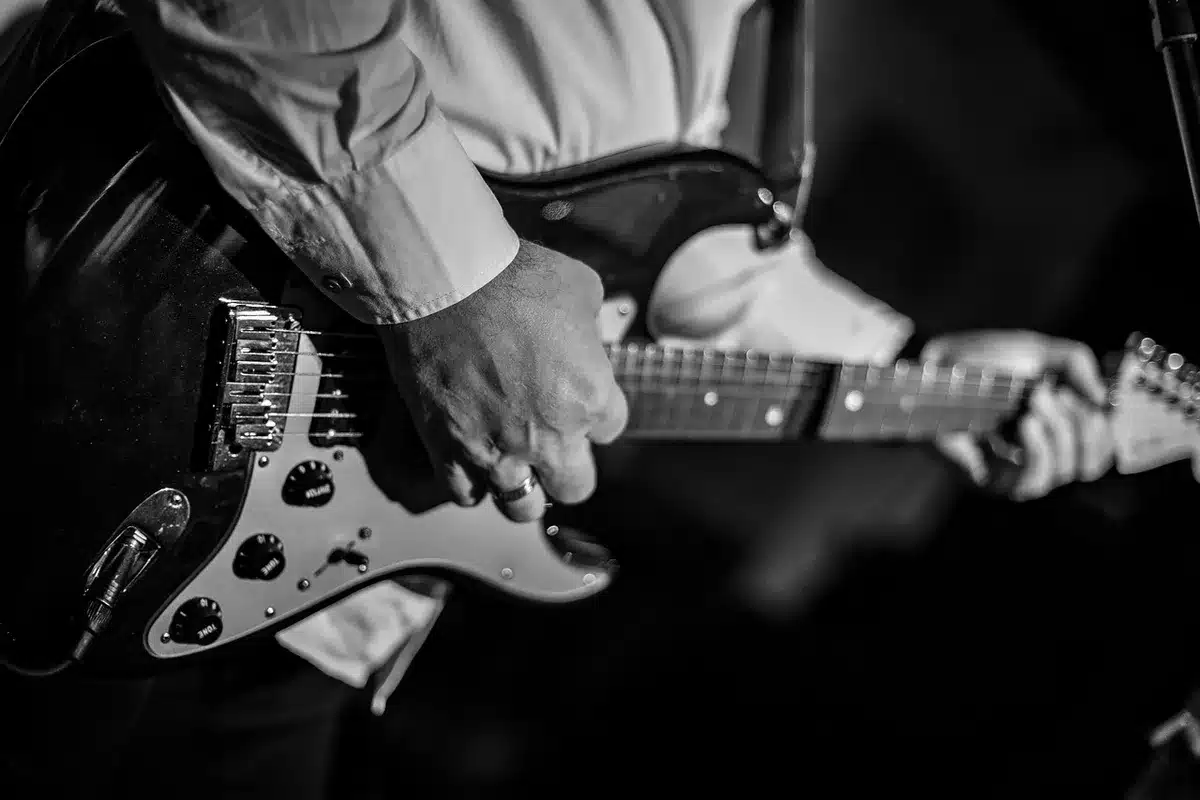
- Heavy use of reverb and delay to create a wall of sound.
- Guitar layering and feedback as a compositional tool.
- Vocals mixed low to enhance texture rather than lyrical focus.
Radiohead — “Street Spirit (Fade Out)” (1996): minimal arrangement, maximal atmosphere
“Street Spirit (Fade Out)” stands out in Radiohead’s 1996 catalog for its quiet intensity. The song’s repetitive arpeggio and restrained vocal delivery create a hypnotic effect. Critics and listeners have often linked its fragile sonic palette to techniques championed by shoegaze artists.
Production traits that echo shoegaze
- Clean, chiming arpeggios drenched in subtle delay.
- Reverbed ambience that blurs the boundary between instruments.
- Vocal mixing that prioritizes mood over front-and-center clarity.
Why this mattered
The track shows how alternative bands used shoegaze textures without adopting its full aesthetic. Radiohead retained tight songcraft while borrowing effects that made the mix feel vast and introspective.
The Smashing Pumpkins — “Soma” (1993): layered distortion and emotional overload
“Soma” is a centerpiece of The Smashing Pumpkins’ early sound. At over seven minutes, it builds through repeated guitar figures and huge waves of distortion. The band’s use of stacked guitar parts is often compared to shoegaze layering methods.
Key elements borrowed from shoegaze
- Multiple guitar tracks blended to form one massive tone.
- Feedback and sustained notes used as melodic color.
- Dynamic swells that move the song from intimate to overwhelming.
Impact on alternative rock production
“Soma” helped normalize elaborate guitar stacking in alt rock. Producers and bands took note of how texture could carry emotional weight as much as melody.
The Verve — “Gravity Grave” (1992): space-rock mood meets shoegaze haze
Early Verve singles like “Gravity Grave” merged space-rock repetition with blurred production. The result was an alt-rock sound that floated rather than marched. The band’s early work shows clear overlap with shoegaze techniques in tone and arrangement.
What to listen for
- Long, drifting instrumental passages that emphasize mood.
- Guitar tones rich in chorus and reverb.
- Vocals that sit back in the mix to preserve the sonic wash.
Why it stands out
The Verve used shoegaze tools to create spacious, cinematic tracks. That approach later informed their shift into more structured, radio-ready songs while keeping textural depth.
Shared techniques that shaped 90s alternative hits
Across these tracks, a handful of studio and songwriting choices kept appearing. Alt bands didn’t copy shoegaze wholesale. Instead, they selected elements that fit their songs.
- Subtle pedal usage to thicken guitar timbre.
- Layering recorded parts to build sonic mass.
- Mixing vocals lower to prioritize atmosphere.
- Using dynamics to move listeners between calm and catharsis.
How these songs influenced what came after
By borrowing shoegaze textures, 90s alternative acts expanded the palette available to mainstream rock. Producers learned to balance clarity with wash. Bands discovered that mood could be as commercially and artistically viable as riff-driven hooks.
- Later indie bands fused melodic hooks with dense textures.
- Producers applied shoegaze layering to pop songwriting.
- The crossover boosted broader interest in effects-driven guitar work.










