

Show summary Hide summary
- High-stakes plot: a livestreamer, lost jeans and a frantic journey to Japan
- Visual design shaped by social feeds and split screens
- Director’s approach: translating screen habits into cinematic grammar
- Shooting in Japan: crew, movement and practical effects
- Why the production favored real-time elements over green screens
- Core theme: voyeurism rebooted by smartphones
Eugene Kotlyarenko’s new film Vintage Violence arrives at the Toronto International Film Festival with a fast pulse and a camera that never stops. It mixed livestream culture, a denim heist, and a cross-continental chase to make a movie built for our distracted, phone-first moment.
High-stakes plot: a livestreamer, lost jeans and a frantic journey to Japan
The story follows Carter Tipe, a livestream personality played by Cole Sprouse. He discovers a cache of vintage denim in a cave and is urged by a Japanese fan, Izumi (Kiko Mizuhara), to sell it overseas. What begins as a side hustle turns into a breakneck flight across borders.
Nas slams music industry over disrespect: teases new music, vows to address it
1992 vocal performances: 3 jaw-dropping moments that still amaze
- Main cast: Cole Sprouse as Carter Tipe, Kiko Mizuhara as Izumi.
- Premiere: World premiere Sept. 12 at Toronto International Film Festival (TIFF).
- Conflict: Police, criminals, hustlers and the Yakuza complicate the plan.
Visual design shaped by social feeds and split screens
Vintage Violence layers the film frame with phone interfaces, live chat bubbles and viewer reactions. Scenes often split between Carter’s livestream and the people watching far away in Japan. The result is a barrage of images, color, and motion.

The film aims to mirror how modern audiences watch: with one eye on the screen and one on their phone. That visual overload is intentional, not accidental.
Director’s approach: translating screen habits into cinematic grammar
Kotlyarenko, who made the internet-centric thriller Spree, says screens change how people expect stories to unfold. He treats the phone as a storytelling device, not a prop.
Rather than asking viewers to sit passively, the film demands active attention. Kotlyarenko experiments with pacing and framing to guide where audiences look.
Filmmaking influences and creative goals
- Kotlyarenko studies classic and modern directors who push technique.
- He cites a lineage of filmmakers who embrace contemporary tools.
- The aim is to mix respect for cinematic craft with new, tech-driven energy.
Shooting in Japan: crew, movement and practical effects
Much of the film was shot in Japan with a local crew and cinematographer Sean Price Williams. Kotlyarenko embraced a mobile, kinetic set, using dollies and Steadicams to keep the camera in motion.
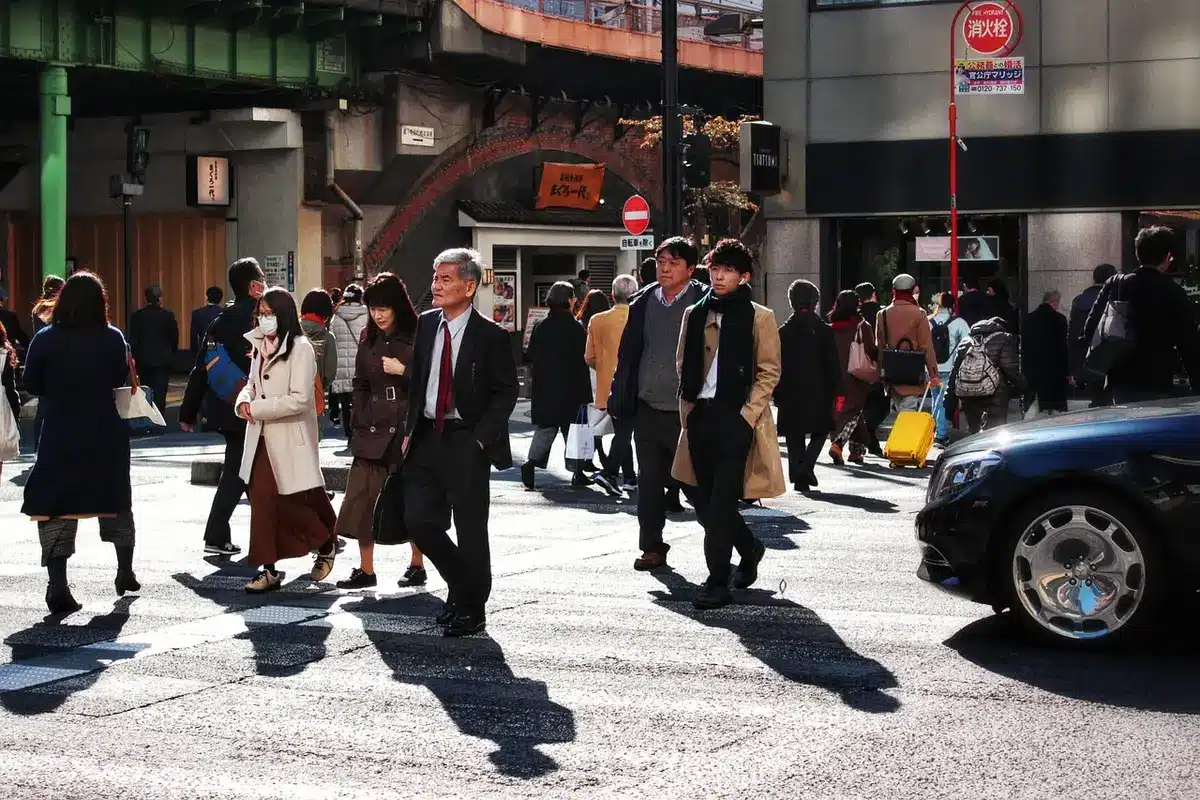
He drew creative inspiration from Japanese auteurs who experiment within a single film. Names that informed the spirit of Vintage Violence include directors known for bold visual choices.
- Imamura
- Ōshima
- Takashi Miike
- Nobuhiko Obayashi
On-set authenticity mattered: Kotlyarenko insisted on capturing livestream content practically, rather than layering it later in post.
Why the production favored real-time elements over green screens
Before principal photography in Japan, the team shot the cave livestream sequence. That early footage became a working edit the rest of the production referenced.
By creating real, in-camera livestream moments, actors could react to authentic screen content. The timing of interactions felt lived-in, not artificially composited.
Core theme: voyeurism rebooted by smartphones
The film returns to a long thread in cinema: the thrill of watching others without their knowledge. Phones, Kotlyarenko argues, have multiplied that impulse.
Smartphones create a new, intimate kind of voyeurism that cinema can now explore. Vintage Violence uses that idea as a jumping-off point for both spectacle and moral unease.










