

Show summary Hide summary
- Who is sponsoring the new production tax credit and when it may arrive
- How the federal film and TV incentive would work
- Bonus incentives designed to encourage domestic shooting
- Why industry groups and unions support a federal credit
- Budget impact, advocacy claims and the path through Congress
- Political momentum and coalition building
Lawmakers on Capitol Hill are advancing a bipartisan proposal to create a federal film and television tax credit aimed at keeping more productions in the United States. The plan would offer a base subsidy and bonus “uplifts” to lure projects back from overseas, and it has drawn backing from industry groups and a surprising boost from former President Trump.
Who is sponsoring the new production tax credit and when it may arrive
Members of the House Ways and Means Committee are leading the effort. Rep. Nathaniel Moran, a Republican from Texas, and Rep. Linda Sánchez, a Democrat from California, are drafting the bill. Additional supporters include Rep. Laura Friedman, a Democrat in California, and Rep. Brian Jack, a Republican from Georgia.
Nas slams music industry over disrespect: teases new music, vows to address it
1992 vocal performances: 3 jaw-dropping moments that still amaze
Staff sources say the legislation could be formally introduced within weeks. Advocates hope for quick action, possibly as part of year-end tax negotiations or in the next congressional session.
How the federal film and TV incentive would work
The draft sets a baseline tax credit that targets production labor. Productions would receive a 20% federal credit on eligible labor costs. That credit applies to both above-the-line and below-the-line wages.
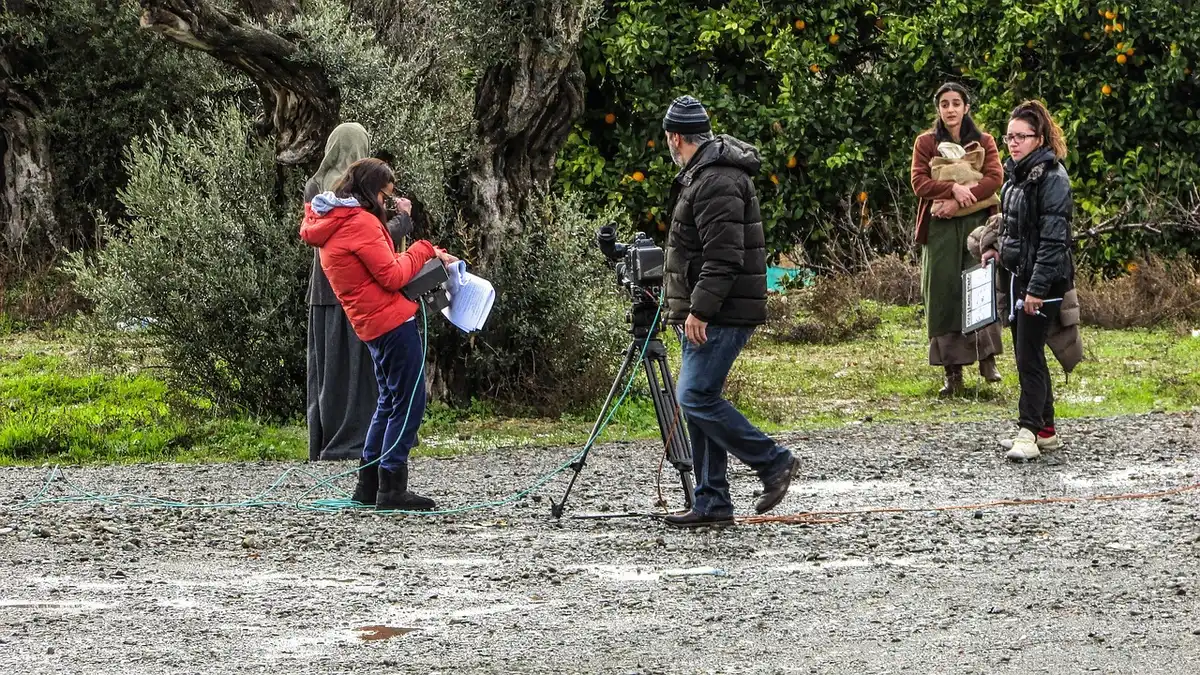
Eligible formats are broad. The proposal would cover feature films, scripted television, reality shows and animated projects. News broadcasts and live sports would be excluded.
Tax treatment and transferability
The credit would offset federal income tax obligations. It would not be refundable. Producers who cannot use the credit could sell it to another taxpayer.
Bonus incentives designed to encourage domestic shooting
The bill includes extra credits — called uplifts — to steer production into politically and economically desirable areas. Each uplift adds five percentage points.
- Filming in designated rural opportunity zones
- Qualifying as an independent production
- Bringing a defined portion of filming back to U.S. soil from abroad
- Spending at least $10 million across 10 different states within one year
Producers could claim up to two uplifts, raising the maximum federal credit to 30%. Combined with state incentives, totals could exceed 60% in some locations.
Why industry groups and unions support a federal credit
The Motion Picture Association and entertainment unions have pushed for a federal incentive to make U.S. production more competitive with overseas subsidies. Countries such as the U.K., Canada and Australia offer generous packages that have lured work offshore.
Advocates say the credit will not only help Hollywood and New York, but also stimulate new filming in states with little existing infrastructure.
Rural and regional economic arguments
Backers argue that spreading shoots around the country will create jobs and local spending. In past state-level programs, bonuses for out-of-market filming helped win support from rural lawmakers.
California lawmakers sought a bonus for projects shot in federally declared disaster zones. That provision is not in the current draft.
Budget impact, advocacy claims and the path through Congress
The bill has not yet received a Joint Committee on Taxation score. Analysts expect the measure could cost the federal government billions of dollars.
Proponents, including the MPA, contend the program will more than pay for itself through increased economic activity and tax receipts. Industry groups plan to release an analysis to back that claim.
Some sponsors hope the credit could be attached to a lame-duck tax package after the November election. Others acknowledge passage may slip into the next year.
Political momentum and coalition building
Sponsors say former President Trump’s public endorsement injected fresh momentum and helped unlock Republican support. Lawmakers reported a surge of interest and offers to help from across the country after the endorsement.
Rep. Friedman has been cultivating a broad coalition and says she is actively coordinating stakeholders to move the bill forward.










