
Show summary Hide summary
- Details of the legal claim and alleged missing royalties
- What royalty types are usually at issue in these disputes
- Typical legal claims in music-payment lawsuits
- How the court process unfolds in royalty cases
- Why an accounting is often the central demand
- Industry context: streaming, transparency, and artist disputes
- Possible outcomes and remedies for the parties involved
- What musicians and collaborators can learn from this case
- Next steps and potential timeline for resolution
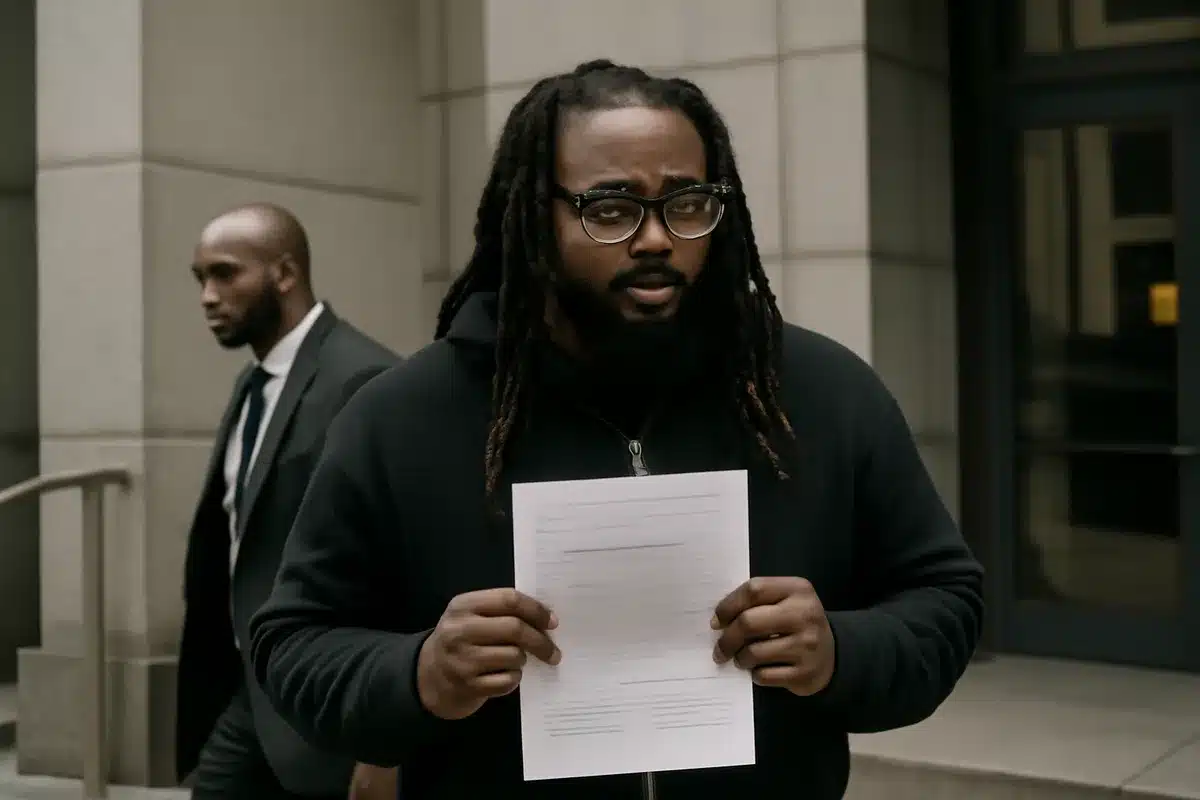
Music producer and performer T-Pain has launched a legal challenge claiming a former creative partner failed to pay nearly $500,000 in royalties. The dispute centers on income from past recordings and licensing, and it highlights growing tensions over how streaming-era revenues are tracked and distributed.
Details of the legal claim and alleged missing royalties
According to filings made public, the complaint alleges unpaid royalty shares tied to specific songs and uses. The plaintiff seeks an accounting of earnings and payment of the disputed amounts.
Nas slams music industry over disrespect: teases new music, vows to address it
1992 vocal performances: 3 jaw-dropping moments that still amaze

- The suit claims unpaid mechanical and performance royalties.
- It also asks the court to order an audit of past payments.
- The total amount in controversy is reported to be close to $500,000.
What royalty types are usually at issue in these disputes
Royalty disputes often involve multiple revenue streams. Knowing the differences helps explain where money can go missing.
- Mechanical royalties — earnings from sales and digital downloads.
- Performance royalties — payments for public broadcasts and streaming.
- Synchronization fees — charges for using music in film or ads.
- Producer and split agreements — how collaborators divide income.
Typical legal claims in music-payment lawsuits
Cases like this tend to rely on a few common causes of action. Each one has different evidence requirements.
- Breach of contract: Alleging the other party failed to honor agreed splits.
- Accounting: Seeking a detailed statement of earnings and distributions.
- Unjust enrichment: Claiming one party benefited unfairly at another’s expense.
- Conversion: Asserting wrongful control of funds owed.
How the court process unfolds in royalty cases
After a complaint is filed, litigation typically follows several steps. Each stage can reveal new financial details.
- Initial pleadings and responses from the defendant.
- Discovery, where documents and payment records are exchanged.
- Depositions of the parties and witnesses.
- Possible settlement talks or mediation.
- If unresolved, motions and trial.
Why an accounting is often the central demand
An accounting exposes past receipts, deductions, and distribution practices. It can reshape how much each party is owed.
- Labels, publishers, and streaming platforms may be subpoenaed.
- Royalty statements from collecting societies are scrutinized.
- Experts or forensic accountants may be hired.
Industry context: streaming, transparency, and artist disputes
The music business has transformed since the streaming boom. That change has increased the number of royalty disagreements.

- Smaller per-stream payouts make record-keeping crucial.
- Complex splits across writers, producers, and labels raise disputes.
- Many artists now demand clearer, real-time statements.
Possible outcomes and remedies for the parties involved
Several resolutions are possible, depending on facts and leverage.
- Settlement and payment of a negotiated sum.
- Court-ordered accounting and subsequent payment of owed royalties.
- Dismissal if claims lack proof or legal basis.
- Damages or punitive awards in certain scenarios.
What musicians and collaborators can learn from this case
Proactive agreements and clear record-keeping reduce future conflicts. Contracts should spell out splits and audit rights.
- Keep written splits for every collaboration.
- Preserve emails, invoices, and payment receipts.
- Include audit and dispute-resolution clauses in contracts.
- Work with experienced music attorneys or administrators.
Next steps and potential timeline for resolution
Legal disputes over royalties can last months or years. The discovery phase usually reveals whether settlement is likely.
- Early settlement talks may start within weeks of filing.
- Discovery can take several months to a year.
- Trials occur only if mediation fails.










