

Show summary Hide summary
Night alters sound. Rooms shrink, shadows grow, and music takes on an edge that daylight flattens. Some records are built to live in that liminal hour between sleep and wakefulness. They reveal textures and tensions that only late evenings can coax out. Below are three albums that genuinely improve after dusk, plus tips to make each listen more immersive.
Why some albums sound better at night — and how to prepare
Nighttime changes attention. It reduces distractions and sharpens details. That makes quiet passages feel intimate and loud passages more dramatic.
Smashing Pumpkins reunite with legendary 90s producer Butch Vig on new Hunger Games track
U.K. terror plot: what we know and why the Gulf remains in limbo
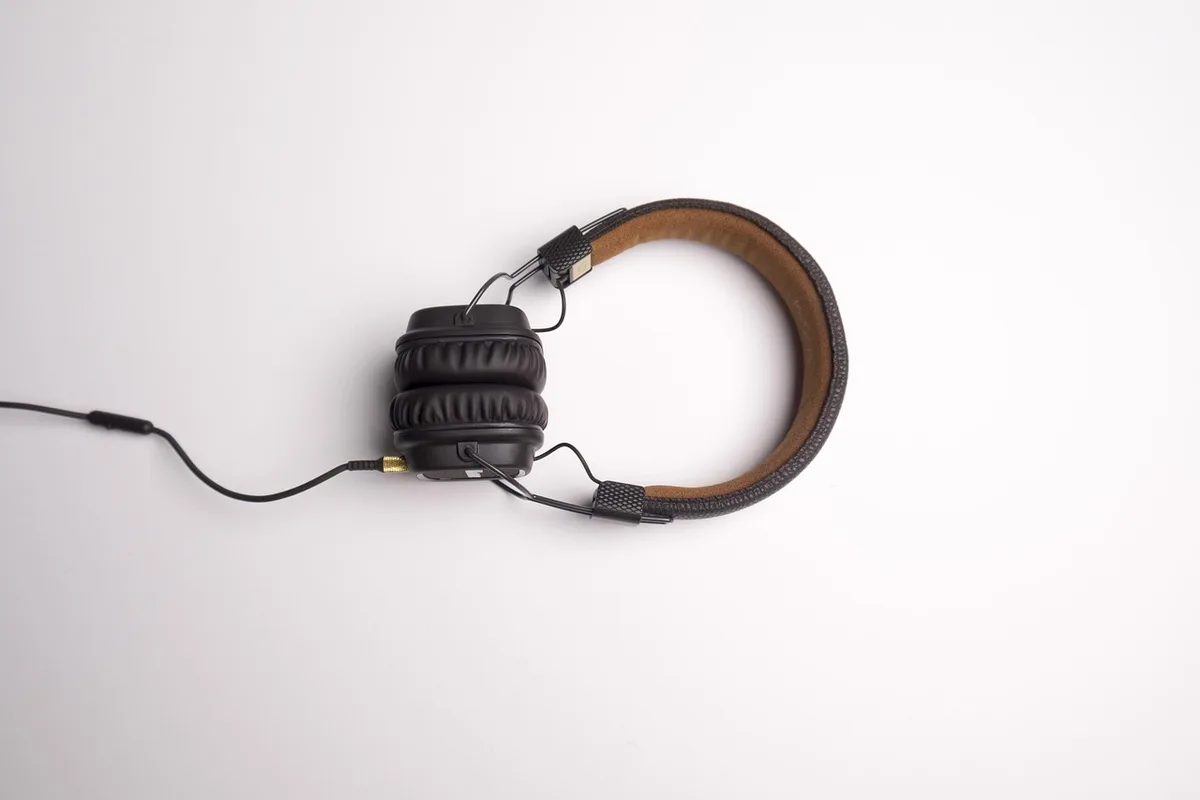
- Choose headphones or a system with clear low end.
- Lower lights or use a single lamp to focus on sound.
- Listen uninterrupted for at least one full side or album.
- Silence before and after tracks matters; gaps let tension build.
Joy Division — Unknown Pleasures: post-punk shadows and brittle melodies
This 1979 record folds anxiety into concise songs. The production is sparse but tightly wound. At night, the album’s reverb and Ian Curtis’s voice gain a haunting echo.
What you’ll hear
- Angular guitars that feel cold and distant.
- Drums that land like footsteps in an empty corridor.
- Vocals that sound close and fragile.
Standout moments
- Tracks with steady, hypnotic basslines draw attention in the dark.
- Silences between phrases become part of the song.
Night listening tips
- Use stereo separation to catch subtle guitar echoes.
- Play at low to moderate volume to let details breathe.
- Best time: the hour after midnight, when the city quiets down.
Nine Inch Nails — The Downward Spiral: industrial drama for late hours
Nine Inch Nails built this record around extremes. It moves from brittle whispers to crushing noise. Nighttime amplifies its cinematic highs and claustrophobic lows.
What you’ll hear
- Layered textures that contrast softness with aggression.
- Electronic pulses, distorted guitars and dense production.
- Lyrics that read differently when the world is quieter.
Standout moments
- Dynamic shifts make the loud parts feel sudden and overwhelming.
- Ambient interludes act as pressure valves between spikes of intensity.
Night listening tips
- Prefer a room with some natural reverb over an overly bright space.
- Lower the lights, but avoid complete darkness if the music is intense.
- Use headphones to catch hidden layers and whispers.
The Haxan Cloak — Excavation: deep, dark ambient that thrives after dusk
This record is pure shadow music. It favors textures over hooks. Night exposure brings out its subterranean frequencies and makes small noises loom large.
What you’ll hear
- Slow-building drones that feel like pressure changes.
- Subbass that moves in your chest, not just your speakers.
- Sparse moments where silence becomes an instrument.
Standout moments
- Long crescendos that transform a room’s mood.
- Shifts in timbre that feel like a scene changing in darkness.
Night listening tips
- Use a subwoofer or full-range headphones for low-frequency detail.
- Set the volume where the subbass is felt, not just heard.
- Best setting: a quiet, dimly lit space where the music can reshape the room.










