
Show summary Hide summary
- How Wildwood’s stop-motion stands apart from AI-made visuals
- Behind the scenes: the craftsmanship that built the Wildwood featurette
- Storytelling strengths: why the featurette resonates
- What the Wildwood short implies about the future of creative work
- Viewer takeaways and reasons to watch the featurette
- Industry ripple effects: what studios might learn
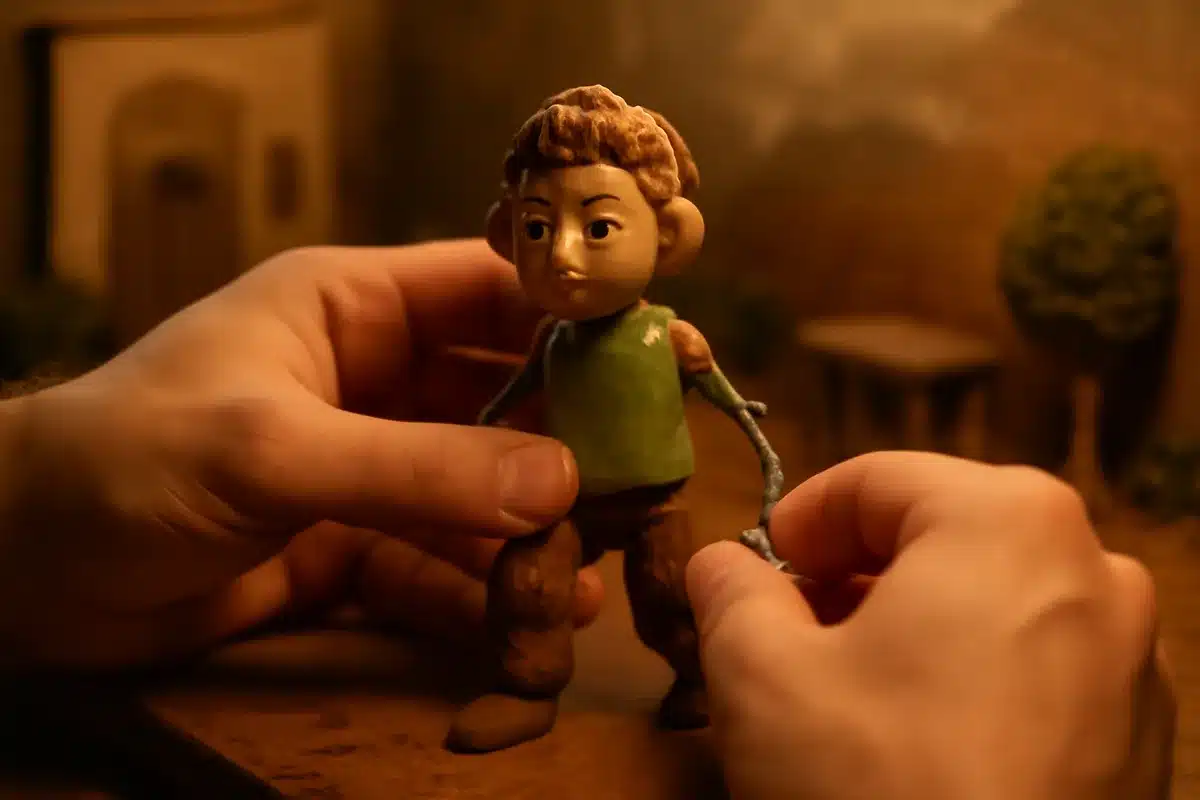
LAIKA’s new stop-motion peek into Wildwood arrives like a handcrafted rebuke to recyclable AI imagery. The short featurette celebrates imperfection, tangible textures, and patient human labor, reminding viewers why handcrafted animation still matters in a digital age flooded with synthetic content.
How Wildwood’s stop-motion stands apart from AI-made visuals
The featurette foregrounds methods AI cannot mimic easily. It shows fingerprints in clay, subtle lighting shifts, and the micro-movements only a human animator can plan.
Nas slams music industry over disrespect: teases new music, vows to address it
1992 vocal performances: 3 jaw-dropping moments that still amaze
- Tactile detail: fabrics, paintbrush strokes, and set wear are visible and meaningful.
- Intentional flaws: slight asymmetry and organic motion create emotional warmth.
- Human timing: pauses and beats reflect a director’s intuition, not an algorithm’s prediction.
Behind the scenes: the craftsmanship that built the Wildwood featurette
LAIKA’s teams combine sculptors, puppeteers, and cinematographers. Each frame is composed with tools that predate computer rendering.

Materials and miniature engineering
- Hand-sculpted puppets with wired armatures that capture nuanced gestures.
- Layered sets built from wood, fabric, and found objects to add depth.
- Custom-made lenses and controlled lighting to create mood in-camera.
Animation workflow and creative choices
- Frame-by-frame manipulation to achieve lifelike motion.
- Iterative rehearsals where artists adjust timing and expression.
- Collaborative problem-solving across departments to preserve the director’s vision.
Storytelling strengths: why the featurette resonates
The narrative in Wildwood leans on small, human moments rather than spectacle. That approach rewards close viewing and repeated plays.
- Character detail: physical gestures reveal backstory without exposition.
- Emotional texture: handcrafted environments support mood in subtle ways.
- Memorable beats: visual touches stick with viewers more than flash alone.
What the Wildwood short implies about the future of creative work
LAIKA’s release prompts a wider conversation about the value of human-made art in the age of generative AI.

- Handcrafted work demands time and creates scarcity that algorithms cannot replicate.
- Audiences often respond to authenticity and visible labor with stronger loyalty.
- Studios may integrate AI tools, but stop-motion shows there is enduring demand for analog craft.
Viewer takeaways and reasons to watch the featurette
For animation fans and skeptics of synthetic media, Wildwood offers clear reasons to pay attention.
- It demonstrates the emotional power of imperfect, human-driven animation.
- It provides a masterclass in texture, lighting, and practical effects.
- It reframes the debate about AI as one about choice, not inevitability.
Industry ripple effects: what studios might learn
LAIKA’s work could nudge peers to invest in tangible production values while using technology selectively.
- Mixed workflows that respect practical craft and augment with digital tools.
- Marketing that highlights artisanal production can differentiate content.
- Training programs for traditional skills may regain appeal among new animators.










