

Show summary Hide summary
- How the performance became a flashpoint
- What Macklemore said in his public reply
- Fan reaction: support and backlash
- Industry and venue responses
- Security, safety, and the logistics of politically charged shows
- Legal implications and contractual questions
- What this means for artist activism
- Next steps for Macklemore and his team
- Voices shaping the conversation
- How similar controversies played out elsewhere
- What to watch next in this unfolding story
Macklemore has responded publicly to the backlash after performing at a concert described as pro-Palestine, and he is standing firm in his choices. His latest comments have reignited debate about the role artists play in political causes and how public gestures intersect with safety, contracts, and fan expectations.
How the performance became a flashpoint
The controversy began when a Seattle date on Macklemore’s calendar turned into a rallying moment for Palestine supporters. The show drew attention for its fundraising aims and visible political messaging.
Nas slams music industry over disrespect: teases new music, vows to address it
1992 vocal performances: 3 jaw-dropping moments that still amaze
- Organizers billed the event as a benefit for Palestinian relief efforts.
- Some fans saw the concert as a chance to express solidarity.
- Others criticized the artist for mixing politics with entertainment.
What Macklemore said in his public reply
In a statement and subsequent interviews, Macklemore laid out why he chose to perform. He framed the concert as an artistic act allied with humanitarian goals.
He emphasized compassion and support for civilians affected by conflict. He also dismissed claims that the performance endorsed violence.
Key points from his remarks
- He stated his intent was to raise funds for medical and humanitarian aid.
- He acknowledged the sensitivity of the issue and the range of viewpoints.
- He said he would not be silenced by threats or public pressure.
Fan reaction: support and backlash
Responses online split sharply. Some praised Macklemore for taking a stand. Others accused him of misjudging the impact.
- Supporters applauded the humanitarian focus and donated to the cause.
- Critics questioned the choice of platform and called for boycotts.
- Neutral observers urged dialogue over cancellation and outrage.
Industry and venue responses
Promoters and venues found themselves navigating complex legal and reputational issues. Some distanced themselves. Others expressed regret over miscommunication.
- Several promoters reviewed contracts to check for clauses about political events.
- Certain venues said the show violated internal policies and paused bookings.
- Industry peers offered private support or public caution.
Security, safety, and the logistics of politically charged shows
Events tied to contentious causes often require extra security planning. This concert prompted a re-evaluation of standard protocols.
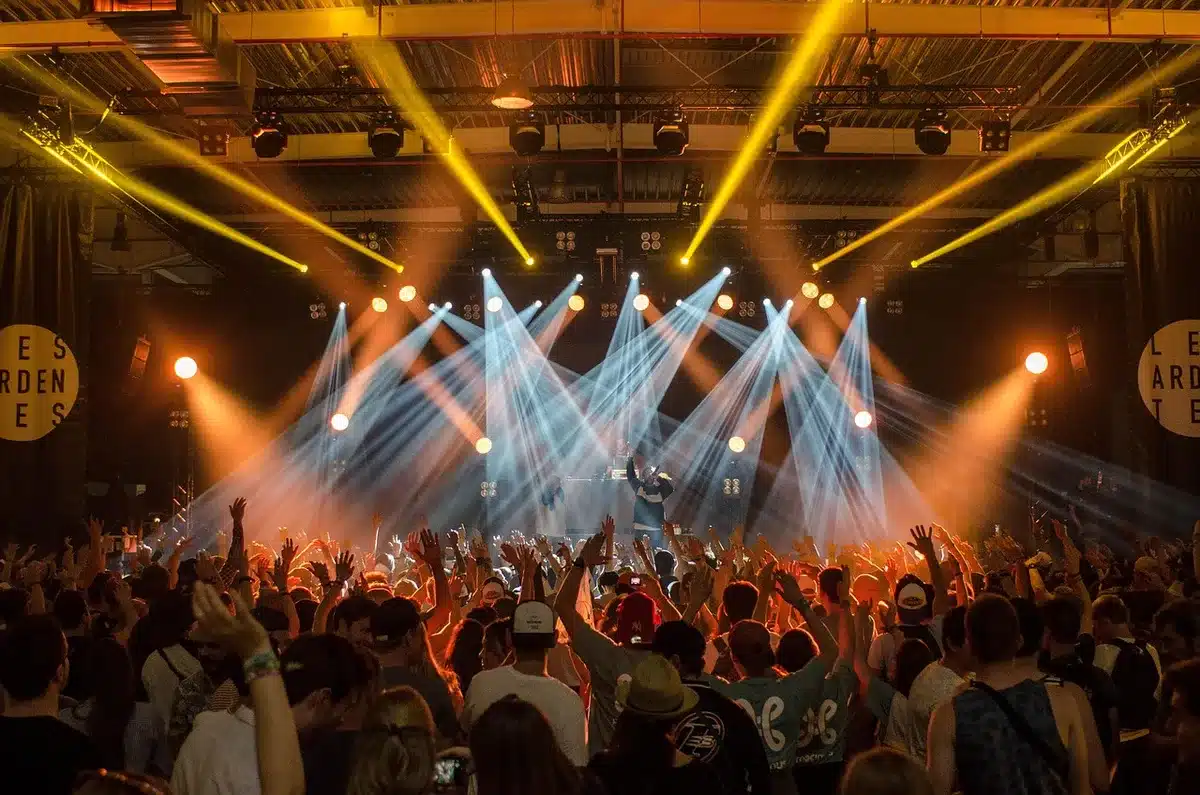
- Organizers increased security and medical presence.
- Local authorities monitored crowd safety and permit compliance.
- Artists considered risk assessments before agreeing to similar shows.
Legal implications and contractual questions
Lawyers and agents publicly discussed possible consequences for artists who link concerts to political campaigns. Contract language became a focal point.
- Cancellation clauses may apply if public safety is threatened.
- Force majeure and indemnity provisions were re-examined.
- Some contracts now explicitly reference political endorsements.
What this means for artist activism
The episode highlights a broader tension in entertainment. Musicians increasingly use their platform for causes. Audiences respond with mixed enthusiasm.
- Artists face greater scrutiny when they blend music and politics.
- Support networks form quickly online for both sides.
- Brands and sponsors watch reactions closely before partnering.
Next steps for Macklemore and his team
Sources close to the singer say he plans to maintain his schedule while clarifying fundraising details. He intends to communicate more about where donations go.
- He will release financial reports connected to the benefit.
- Publicists aim to set clearer expectations for future charity shows.
- His team will craft messaging to reduce misunderstandings.
Voices shaping the conversation
Commentators from politics, music, and civil society have weighed in. Their perspectives reveal why cultural moments can quickly become national debates.
- Advocates argue artists must not ignore humanitarian crises.
- Critics say entertainment spaces should remain neutral.
- Moderates call for transparency and accountability from event organizers.
How similar controversies played out elsewhere
Past incidents show patterns in public reaction and damage control. Examining those examples helps predict potential outcomes for this controversy.
- Artists who explained intent often eased tensions.
- Opaque fundraising or unclear partnerships tended to fuel criticism.
- Clear reporting and audits restored trust in a few cases.
What to watch next in this unfolding story
Key developments will include financial disclosures, venue statements, and any legal actions. Media coverage and social sentiment will also shape the next chapters.
- Watch for audits or donation receipts tied to the benefit.
- Look for follow-up interviews where Macklemore expands on his stance.
- Monitor venue policies and promoter statements for industry shifts.










