
Show summary Hide summary
- A road that never allows a stop: the film’s setup
- Characters in a pressure cooker: who drives the drama
- Performance that anchors the bleakness
- How Ullom crafts atmosphere with small details
- Main themes: youth, agency, and the climate of dread
- Rhythm, runtime, and tone
- Who should see It Ends and when
A simple car ride between old friends mutates into a relentless experiment in Alexander Ullom’s unnerving debut, It Ends. The film turns familiar road-trip banter into a pressure cooker of fear and moral choices. Viewers are left watching youth collide with a landscape that refuses to relent.
A road that never allows a stop: the film’s setup
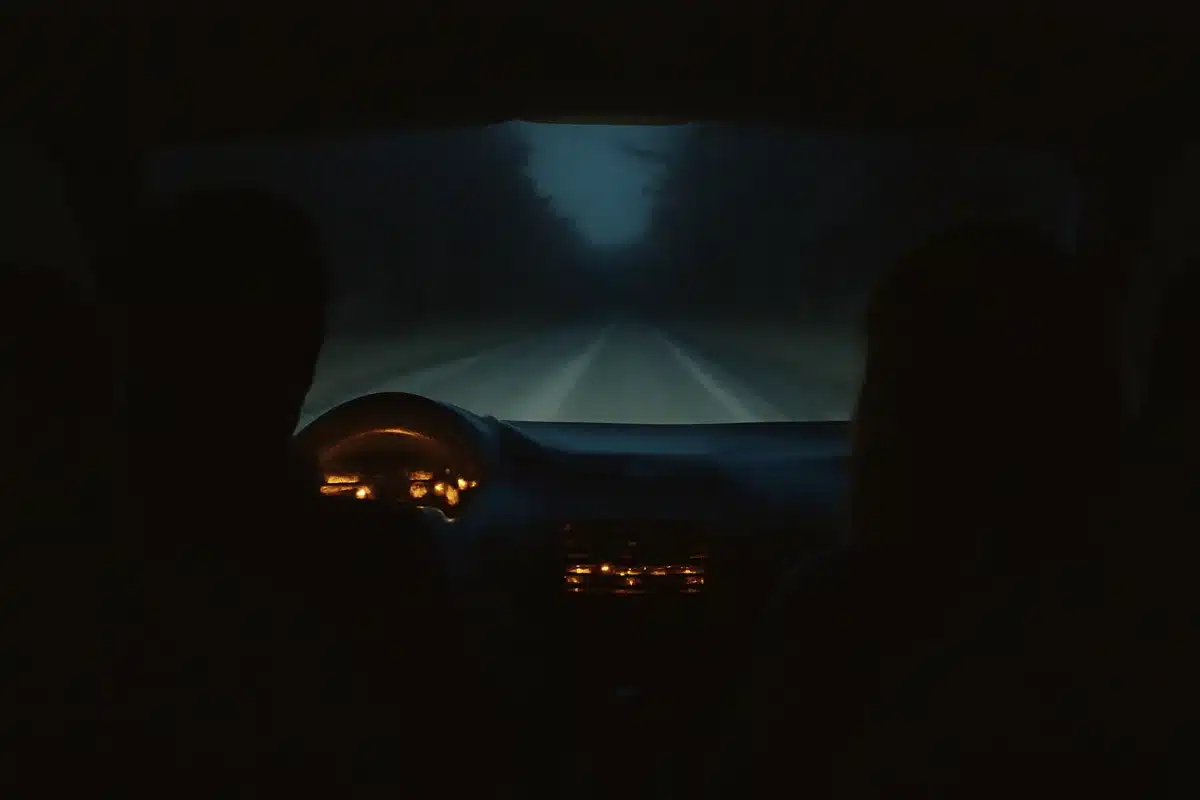
What begins as a college send-off becomes an impossible route. Four friends take to the highway, only to discover the world beyond the dashboard has rules of its own. The moment they try to exit, they are met by screaming strangers from the trees. The road, it seems, only leads forward.
Nas slams music industry over disrespect: teases new music, vows to address it
1992 vocal performances: 3 jaw-dropping moments that still amaze
- Endless stretch: GPS fails to save them.
- No rest: sleep remains out of reach.
- Odd stability: gas never drops below a quarter tank.
- Surrounding threat: unknown figures flood from the woods when the car halts.
Ullom layers these oddities slowly. The film’s dread grows from rules that feel almost casual. That banality makes the situation feel more uncanny.
Characters in a pressure cooker: who drives the drama
The quartet feels familiar: one friend who plans, another who acts, two who joke to survive. But Ullom reframes those archetypes into a study of endurance. Their roles are small dramas inside a larger, inexplicable ordeal.
Cast and character beats
- Phinehas Yoon as James: the group’s pragmatic anchor. He searches for logic in the illogical.
- Mitchell Cole as Tyler: the driver who keeps moving. He embodies grim responsibility.
- Akira Jackson as Day and Noah Toth as Fisher: the duo who cling to levity.
Jackson and Toth supply lighter moments that keep tension from becoming suffocating. Cole grounds the film with a weary kind of realism. But it is Yoon who carries most of the film’s emotional load.
Performance that anchors the bleakness
In a story built on repetition, faces become the primary landscape. Yoon’s restrained intensity gives the narrative a human center. You sense his character measuring the distance to a breaking point.
Jackson and Toth trade comic relief for survival humor. Their interplay eases some of the film’s claustrophobia. Cole’s muted performance hints at responsibilities no one asked for.
How Ullom crafts atmosphere with small details
Rather than relying on flashy visuals, Ullom uses rules and rhythms to build menace. The film’s world is defined by tiny, persistent anomalies. Those choices make each mile feel longer.
- The characters never crave food or drink.
- Sleep is stolen from them; it will not return.
- Fuel behavior remains stubbornly constant.
- Stopping the car invites onrushes from the forest.
These constraints transform a familiar setting into a trap. The director’s economy of means intensifies attention on choices and fractures between friends.
Main themes: youth, agency, and the climate of dread
It Ends probes anxiety common to young adults today. The film asks whether the future we promise ourselves is real or an illusion. That questioning resonates with viewers who grew up amid instability.

Generational blame is threaded through the narrative. The characters are propelled forward by forces they did not create. They face a planet — and a future — heavily shaped by earlier actions.
The movie also centers friendship as a test. When survival becomes mechanical, relationships reveal their limits. The story repeatedly asks: what can friends actually do for each other when the system itself is broken?
Rhythm, runtime, and tone
At 87 minutes, the film moves deliberately. Ullom resists quick scares in favor of mounting unease. The result is a moody, compact picture that lingers past its end.
Dialog swings between sharp logic and offhand playfulness. That contrast keeps the film from feeling one-note. Even in a world that offers no answers, emotion remains a compass.
Who should see It Ends and when
Fans of psychological road movies and minimalist horror will find much to digest. The film speaks to viewers who prefer atmosphere and character over spectacle.
It Ends opens in theaters on Aug. 21. Keep an eye out for Ullom’s next moves. His approach signals a director interested in moral puzzles as much as genre mechanics.










