
Show summary Hide summary
- “Magic”: a tribute built on a Voodoo-era riff
- Lines that remember a friend and an era
- Where the tribute debuted and what it means
- Remembering their first meeting through Busta’s eyes
- How D’Angelo’s style shaped other artists
- Moments from the song that stand out
- Fan response and the cultural conversation
- Legacy in the music community
The music community continues to grieve and celebrate the life of Michael Archer, known worldwide as D’Angelo. As tributes flood social media and playlists, one of his closest peers, Busta Rhymes, has issued a personal homage: a new track titled “Magic.” The song blends memory, admiration, and a direct musical link to D’Angelo’s landmark era.
“Magic”: a tribute built on a Voodoo-era riff
On his new piece, Busta Rhymes raps over a loop lifted from D’Angelo’s 2000 album Voodoo. The sample comes from the song commonly referenced as “One Mo’Gin.” Musically and emotionally, the beat reconnects listeners to the period when D’Angelo reshaped soul music.
Nas slams music industry over disrespect: teases new music, vows to address it
1992 vocal performances: 3 jaw-dropping moments that still amaze
Busta opens the track by declaring the depth of D’Angelo’s importance. He frames the singer as more than an artist — as a living influence who reshaped how voices and chords could move a crowd.
Lines that remember a friend and an era
Rather than delivering a detached eulogy, the track reads as a longtime friend speaking aloud. Busta revisits their first meetings, the moments in studios and backstage corridors, and how D’Angelo’s touch on keys and vocal phrasing created quiet but powerful ripples across genres.
- Musical reverence: The song highlights D’Angelo’s ability to make simple phrases feel monumental.
- Genre bridge: Busta emphasizes how D’Angelo’s work connected hip-hop, R&B, and neo-soul.
- Personal anecdotes: Short stories in the lyrics recall first encounters and lasting impressions.
Where the tribute debuted and what it means
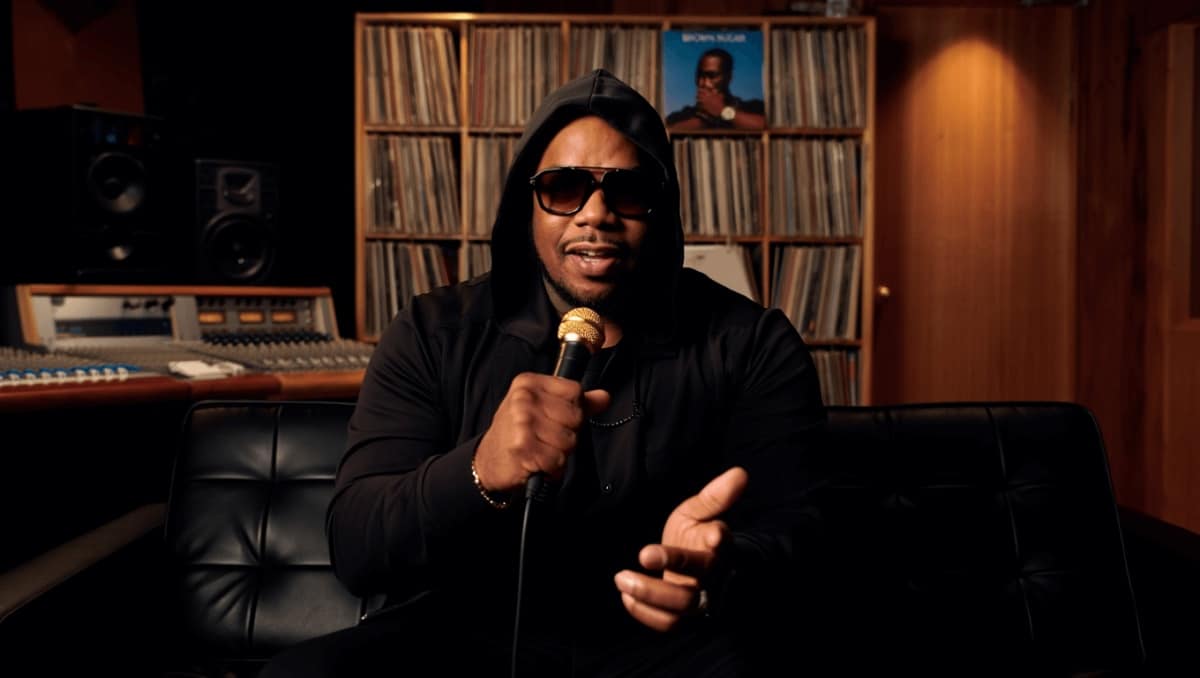
The track premiered on an interview platform known for culture reporting. The placement allowed Busta to pair the new music with a conversation about their bond. The format gave fans both audio and context at once.
Hearing Busta’s voice over a D’Angelo sample sends a clear message: this is not a distant homage. It’s a peer-to-peer salute that grounds grief inside the music they created together.
Remembering their first meeting through Busta’s eyes
Busta Rhymes told the story of meeting D’Angelo through mutual friends in New York’s hip-hop circles. He names figures from A Tribe Called Quest as the link. The scene he describes is a studio moment from the early 1990s.
That first impression stayed with him. Busta explains that D’Angelo carried a reserved presence. When the singer finally spoke or performed, it revealed an intensity that contrasted with his quiet demeanor.
Early chemistry and mutual respect
According to Busta, the rapport was immediate. He remembers D’Angelo’s warmth and the way the musician listened — not flashy, but present. Those traits built a friendship that lasted decades.
How D’Angelo’s style shaped other artists
Across the tribute, Busta outlines the clear threads D’Angelo wove through modern music. His influence shows up in vocal phrasing, production choices, and a return to emotionally raw performance.
- New approaches to rhythm and groove
- Emphasis on organic instruments over synth-heavy textures
- Intimate lyrical delivery that blended soul and streetwise storytelling
These elements helped define the neo-soul movement and inspired both peers and later generations.
Moments from the song that stand out
Listeners have noted several passages in “Magic” that read like a personal oral history. Busta points to D’Angelo’s independence as an artist and the way he reached listeners without chasing validation.
He also paints a picture of D’Angelo as someone who, despite being from Richmond, carried a city grit in his look and delivery. That contrast between image and inner calm made him compelling.
Fan response and the cultural conversation
The release of the tribute sparked fresh reactions online. Fans and fellow musicians praised the pairing of Busta’s forceful flow with the laid-back essence of D’Angelo’s sound.
Many listeners said the track renewed interest in Voodoo and other D’Angelo records. Playlists updated, comment threads filled with memories, and streaming activity for older songs rose.
Legacy in the music community
Beyond playlists, Busta frames his tribute as a call to embrace D’Angelo’s spirit. He urges audiences to let the music do the remembering. For artists who knew him, the song serves as both farewell and a reminder to keep the influence alive through performance.
As the ripple effects of his death continue, new tributes such as “Magic” add personal detail to the public record. They offer snapshots of how one artist’s quiet craftsmanship altered an entire musical landscape.











