
Show summary Hide summary
In the early 2000s, Curtis “50 Cent” Jackson faced closed doors and wary studio owners. A provocative single and a violent shooting left many in the industry reluctant to associate with him. Yet a chance ally from New Orleans quietly changed that trajectory and helped open the studio doors that led to a major record deal.
How a tour-bus studio became a turning point for 50 Cent
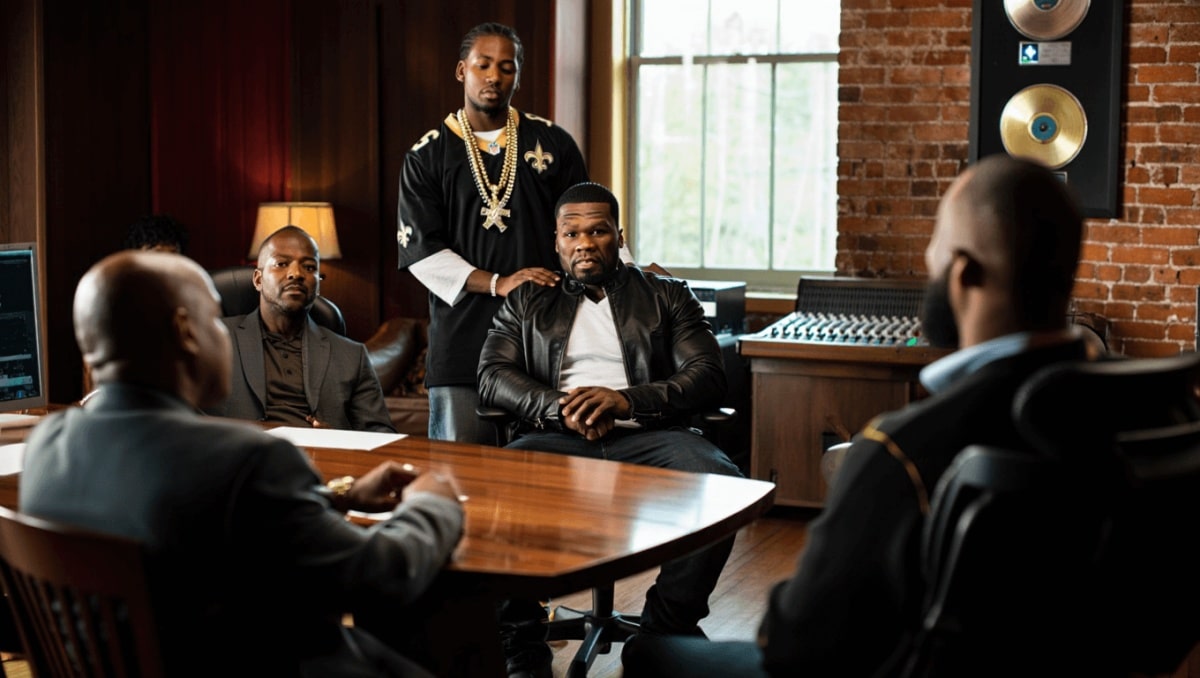
When mainstream studios rejected him, 50 Cent found space where others did not expect to look. Juvenile, the New Orleans rapper, had invested in a mobile studio built into his tour bus. That unconventional setup became a recording refuge.
Nas slams music industry over disrespect: teases new music, vows to address it
1992 vocal performances: 3 jaw-dropping moments that still amaze
- 50 Cent, Lloyd Banks, and Tony Yayo recorded on Juvenile’s bus.
- The mobile studio removed the stigma of signing into a notorious city studio.
- Sessions on the bus kept momentum alive when formal studio access was blocked.
Those makeshift sessions helped 50 maintain output and sharpen material that later drew crucial industry attention.
Juvenile’s quiet endorsement and the Sha Money XL connection
Juvenile didn’t just loan space. He actively vouched for 50 Cent. During a meeting that included Sha Money XL, Juvenile pitched 50’s sound as a complement to Eminem’s aesthetic. That endorsement carried weight.
Sha Money XL’s role was pivotal. As a respected executive, his ears and network bridged underground buzz to executive decision-makers. Juvenile admitting he suggested the pairing helped grease the wheels.
How networking translated to a record deal
The path from bus sessions to a contract was not linear. It relied on timing, taste, and personal referrals. Juvenile’s introduction mattered because it connected 50 to people who could amplify his potential.
- Recorded material reached influential listeners.
- Key meetings framed 50’s style as commercially viable.
- Endorsements reduced perceived risk for labels and partners.
Personal recommendation turned skepticism into curiosity. Once industry gatekeepers heard the music and saw the chemistry with established names, opportunities opened.
The Young Buck tie and shifting label loyalties
Another link in the chain was Young Buck, who began with ties to Cash Money and later joined Juvenile’s UTP roster. Buck’s eventual features on 50 Cent’s major-label debut showed how networks cross-pollinate across scenes.
These shifting alliances illustrate a larger pattern. Artists move between crews and labels. Each move can spark collaborations that propel careers forward.
Lessons: why relationships still drive hip-hop careers
50 Cent’s early challenges make one point clear: talent matters, but so do introductions. The music industry often depends on who will take a bet on you.
- Odd venues can become creative incubators.
- One trusted advocate can overcome years of skepticism.
- Strategic pairings with respected figures multiply exposure.
Networking, credibility, and timing—these elements combined in 50 Cent’s case to turn obstacles into opportunity.










