

Show summary Hide summary
- Why a second physical renaissance is happening now
- How cassette tapes came back into the conversation
- Marketing, scarcity and the social-media effect
- Where cassettes fit in artist strategies
- Manufacturing, logistics and the supply picture
- Sound, nostalgia and the new listening ritual
- Collectors, communities and secondary markets
- Beyond cassettes: other niche formats seeing interest
- How fans can get involved and where to look
As vinyl presses hum and record stores fill with crate-diggers, a different physical format is quietly reclaiming a place on shelves and in fans’ hands. In 2026, the renewed appetite for tactile music experiences is widening beyond LPs. Small labels, independent artists and niche manufacturers are turning to an older, cheaper medium that offers a distinct aesthetic and a fresh marketing angle.
Why a second physical renaissance is happening now
Streaming remains dominant. Still, many listeners crave ownership and ritual. Physical items create a more intimate bond between artist and fan.
Nas slams music industry over disrespect: teases new music, vows to address it
1992 vocal performances: 3 jaw-dropping moments that still amaze
- Collectors seek rarity and tangible value.
- Artists want direct revenue and unique merch.
- Smaller runs are affordable for indie labels.
- Social media drives visible unboxing moments.
These forces make room for alternatives to vinyl. The format gaining traction offers lower production costs and faster turnaround times. That matters for artists who want quick, tangible releases.
How cassette tapes came back into the conversation
Cassettes are not new to comebacks. But in 2026 their role is evolving. Rather than replacing vinyl, they complement it. Many bands now press both LPs and limited cassette editions.
Practical perks behind the return
- Affordable production for runs under 500 copies.
- Compact size makes storage and shipping cheaper.
- Custom artwork and hand-numbering amplify collectibility.
- The lo-fi sound appeals to certain genres and scenes.
For many independent acts, cassettes serve as a low-cost physical presence. They let emerging artists offer something tangible without the long wait or heavy investment vinyl demands.
Marketing, scarcity and the social-media effect
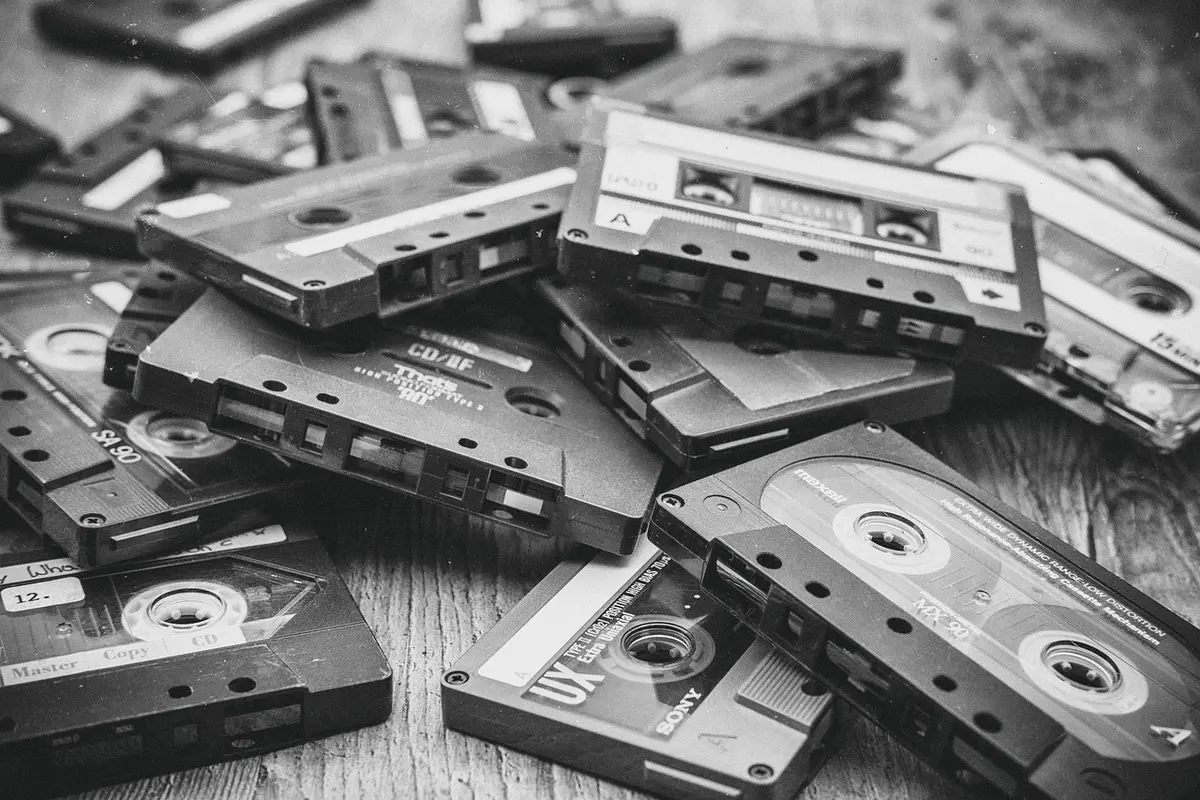
Limited tape runs create a sense of urgency. Fans who miss the first batch often scramble for reissues. That scarcity fuels resale and online buzz.
- Exclusive color variants and bundled zines drive sales.
- Creators use preorders to fund production and gauge demand.
- Unboxing videos and cassette collections perform well on visual platforms.
Labels and artists harness these dynamics to build storylines. A release becomes an event, not just an upload on a streaming service.
Where cassettes fit in artist strategies
From demos to deluxe packages
Some bands use cassettes for early demos or tour-only releases. Others include them in deluxe bundles with posters and stickers. The format is flexible.
- Tour tapes sell directly at shows and cut out middlemen.
- Subscription clubs send monthly or quarterly cassette releases.
- Split tapes introduce fans of one act to another.
These models emphasize community and physical connection. They also give creators multiple revenue streams.
Manufacturing, logistics and the supply picture
Unlike vinyl pressing, cassette duplication can be done quickly and in small batches. That lowers upfront risk. A handful of boutique shops and online services now specialize in custom tape packaging.
- Duplicators offer short runs and fast turnaround.
- Custom shells, J-cards and hand-printed inserts add character.
- DIY enthusiasts still record and assemble tapes at home.
For some labels, this mix of professional services and do-it-yourself culture is ideal. It preserves authenticity while scaling when demand rises.
Sound, nostalgia and the new listening ritual
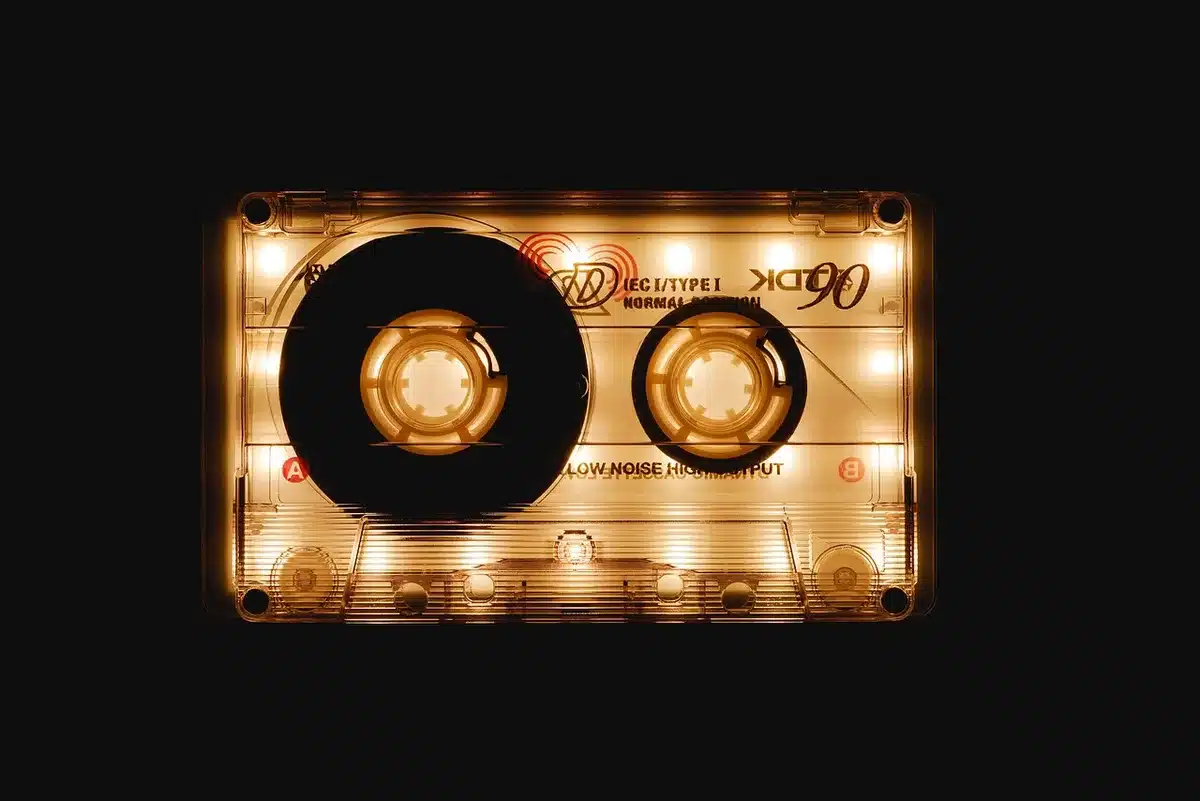
Part of the allure is purely emotional. The hiss, tape warble and manual act of flipping sides create a listening experience streaming can’t replicate.
- Fans cite nostalgia and tactile satisfaction.
- Genres like indie rock and synthwave embrace the tape aesthetic.
- Some listeners prefer the warmth or character tapes impart.
The ritual of inserting a cassette and pressing play transforms listening into a deliberate act. That intentionality contrasts with endless autoplay and algorithmic queues.
Collectors, communities and secondary markets
As with vinyl, cassettes develop collector cultures. Forums, swap meets and social groups trade tips and scans of rare releases. Secondary markets show that demand can outpace supply for standout titles.
- Special editions command premium prices among enthusiasts.
- Community trading keeps interest high for obscure labels.
- Some collectors maintain dual shelves: vinyl and tape.
Beyond cassettes: other niche formats seeing interest
While cassettes lead the charge, other formats gain attention in niche circles. MiniDiscs, LaserDiscs and limited-run CDs enjoy sporadic revivals. Each attracts distinct audiences and aesthetic promises.
- MiniDiscs appeal to format enthusiasts and tech nostalgics.
- LaserDiscs find traction among film collectors and cinephiles.
- CDs remain practical for some touring acts and older audiences.
These formats rarely scale like mainstream products, but they add richness to the market. They also showcase how diversified physical media has become in 2026.
How fans can get involved and where to look
If you want to explore the resurgence, there are a few easy ways to start. Check independent label shops and band stores first. Follow niche distributors and handcrafted labels on social platforms.
- Sign up for label newsletters and preorder announcements.
- Attend local shows and buy tour-only releases.
- Join collectors’ groups to spot limited drops and trades.
For those building a collection, pay attention to storage and playback gear. Cassette decks and basic cleaning kits are affordable investments. In many scenes, part of the fun is learning the gear and preserving tapes for the long term.










