

Show summary Hide summary
- From actor to musician: the rise of a profitable side gig
- Key collaborations with major rock figures
- How the shows honor rock’s legacy
- The Hollywood Vampires effect: tribute with star power
- Revenue streams behind the curtain
- Critical reception and fan reaction
- What the music means for his public image
- Where the project goes next
Johnny Depp has quietly built a parallel life on stage, where guitars, bandmates and classic rock songs are more than a hobby. What started as occasional jam sessions has evolved into a serious musical venture that puts him shoulder-to-shoulder with rock legends and brings in substantial income. Fans say he treats the stage like a second calling.
From actor to musician: the rise of a profitable side gig
Depp’s musical activities began as a personal passion. Over time they became public performances, studio sessions, and tours. That shift turned his pastime into a lucrative side gig that complements his film work.
Nas slams music industry over disrespect: teases new music, vows to address it
1992 vocal performances: 3 jaw-dropping moments that still amaze
- Live shows that sell out arenas and clubs.
- Studio collaborations and album releases.
- Merchandise and special-event appearances.
Key collaborations with major rock figures
Johnny Depp has not been playing solo. He has shared billing with some of rock’s best-known names. Those partnerships lend credibility and visibility to his musical efforts.
- Jeff Beck — Depp teamed with the renowned guitarist for a high-profile recording and live dates.
- Alice Cooper and Joe Perry — fellow members of the Hollywood Vampires supergroup.
- Guest appearances alongside other veteran musicians at tribute events and festival stages.
How the shows honor rock’s legacy
Many of Depp’s sets lean on covers and tributes. Rather than chasing novelty, the performances often celebrate the songs and artists that shaped modern rock.
- Carefully curated setlists that highlight classic tracks.
- Re-creations of vintage arrangements to respect the originals.
- Onstage storytelling that connects songs to the artists they honor.
The Hollywood Vampires effect: tribute with star power
The supergroup concept helped Depp fuse celebrity and musicianship. The project is designed to remember and celebrate rock icons while drawing a broad audience.
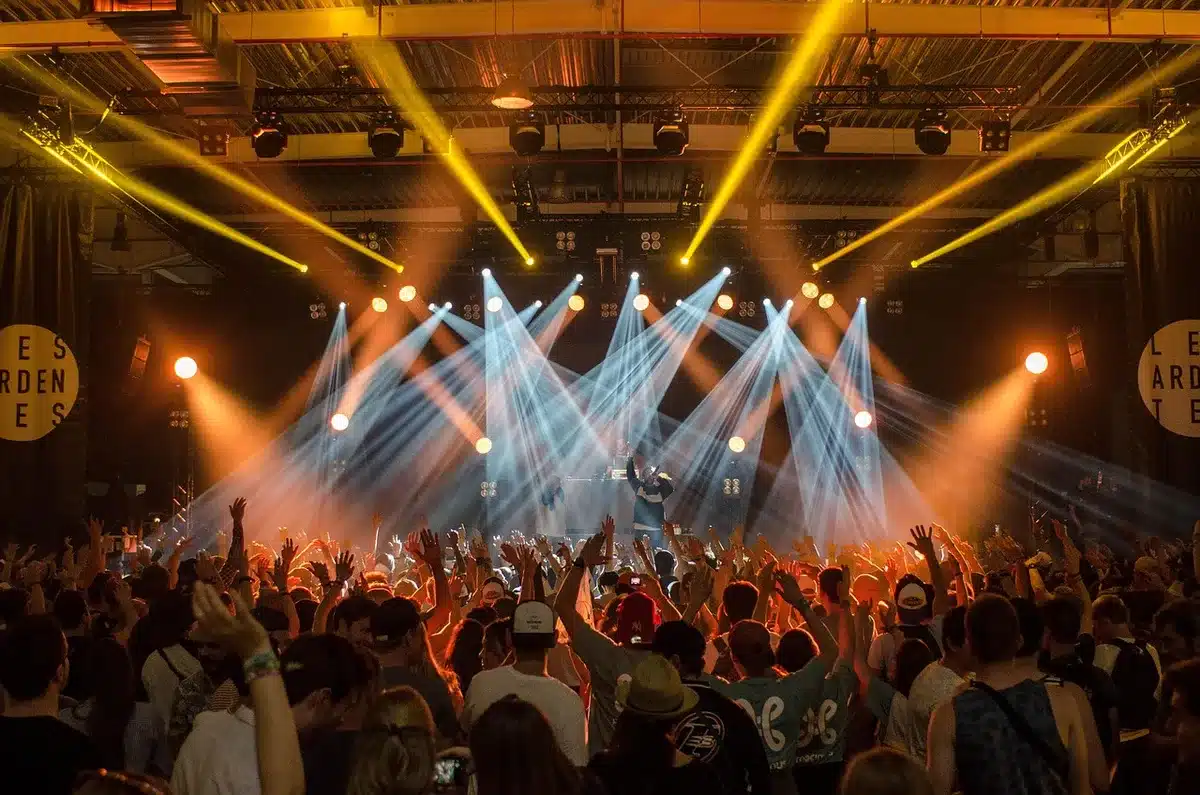
- The band’s branded shows spotlight songs from the 1960s and 1970s.
- Celebrity involvement amplifies media coverage.
- Tribute concerts introduce classic material to new listeners.
Revenue streams behind the curtain
Depp’s music work generates income in several ways, making it more than a hobby:
- Ticket sales from headline and festival dates.
- Album sales and streaming revenue from recorded collaborations.
- Special-event fees for guest appearances at benefit shows.
Critical reception and fan reaction
Critics often focus on how seriously Depp approaches the music. Fans respond to the authenticity he brings to the stage. The combination of respect for rock history and a recognizable name boosts both attendance and press interest.
What the music means for his public image
Playing with rock icons has shifted Depp’s public narrative in some circles. Onstage, he is judged by musical chops as much as celebrity status. That offers a new frame for audiences and the media.
- Shows emphasize collaboration over celebrity spectacle.
- Musical projects open doors to different creative communities.
- Tribute work reinforces a connection to rock traditions.
Where the project goes next
Depp’s musical trajectory suggests more recordings and selective touring. The model combines artistic devotion with smart business choices. For now, his performances continue to honor rock’s past while drawing contemporary interest.










