
Show summary Hide summary
Dolly Parton’s family revealed a striking glimpse into her courage and compassion: according to her sister, the country legend once offered to take an experimental medication as a last-resort way to help other people. The comment has sparked renewed interest in Parton’s decades-long record of generosity and raised questions about celebrity roles in medical research.
What Dolly’s sister said about the offer
In a recent family conversation, Dolly’s sister described the moment Dolly offered herself for an experimental treatment if that could benefit others. The claim paints a picture of someone willing to accept personal risk to advance care for strangers.
Nas slams music industry over disrespect: teases new music, vows to address it
1992 vocal performances: 3 jaw-dropping moments that still amaze
- The offer was framed as a final measure—a choice made only if conventional options had been exhausted.
- The disclosure came from a close family member, adding weight to the personal nature of the remark.
- No specific drug or trial has been named in public comments from the family so far.
Why the revelation resonates
Parton is widely known beyond music for her philanthropic work. That history makes the idea of her volunteering for a risky medical test believable to many.
The story hits three emotional notes:
- Compassion: offering help even when personal stakes are high.
- Trust: people often view trusted public figures as role models.
- Curiosity: the public wonders how celebrities influence medical science.
How experimental treatments work and what to expect
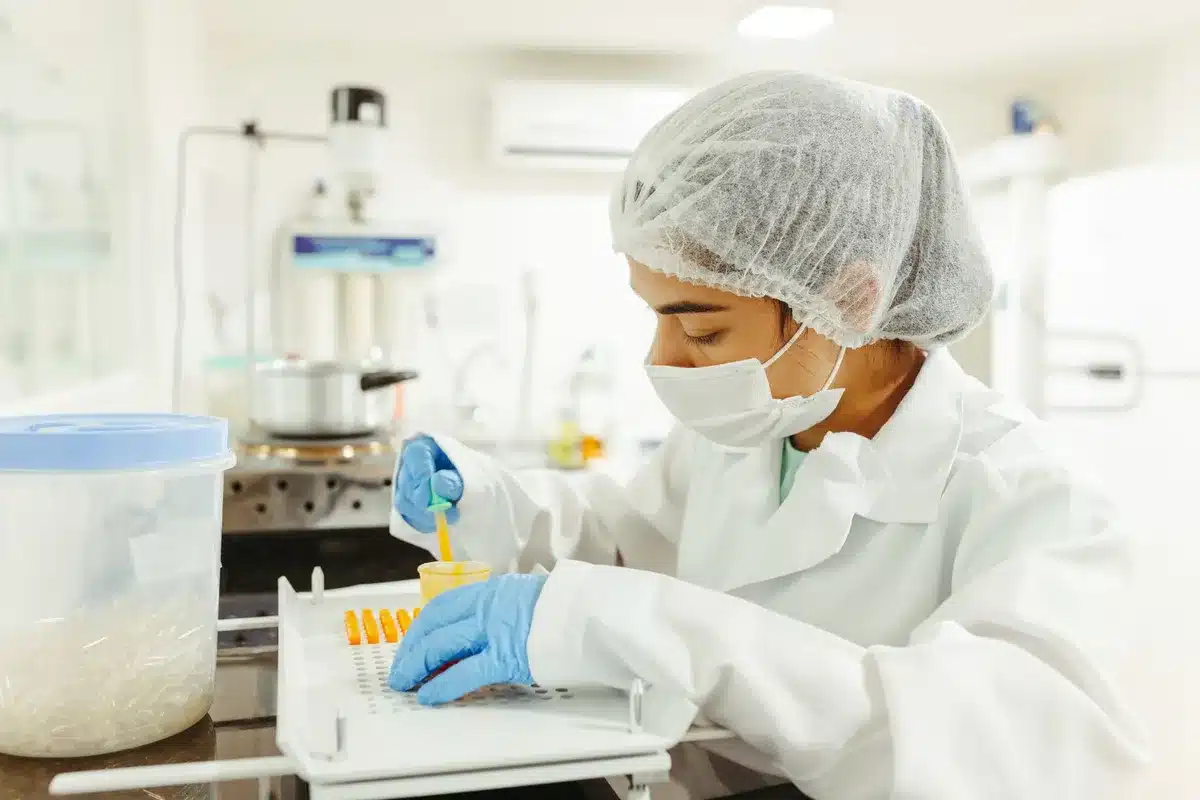
Experimental medications are typically tested in clinical trials. These trials are designed to protect participants while assessing safety and effectiveness.
Basic phases of clinical trials
- Early safety studies to determine tolerable doses.
- Expanded testing for effectiveness and side effects.
- Large trials comparing the new treatment to standard care.
Volunteering for such research involves informed consent, oversight, and safeguards. Institutional review boards and regulatory bodies monitor trials to reduce undue risk.
Ethical questions around celebrity participation
When famous people offer to join medical trials, it raises complex issues for scientists and ethicists.

- Will celebrity involvement bias public expectations?
- Could it influence who gets access to experimental therapies?
- How do researchers manage privacy and media attention?
Experts emphasize that no matter who volunteers, trials must remain scientifically rigorous and ethically sound.
Public reaction and media coverage
News of the sister’s account spread quickly on social platforms. Fans praised the gesture as another example of Parton’s empathy.
- Supporters highlighted her history of giving back.
- Some commentators urged caution, noting the risks of experimental medicine.
- Healthcare observers discussed how celebrity stories shape public views of science.
Where this fits with Dolly Parton’s broader legacy
Beyond music, Parton has built a reputation for philanthropy and community work. This new anecdote reinforces an image of someone motivated by service.
Whether or not the offer led to concrete action, the revelation has renewed attention on the intersection of fame, altruism, and medical research.
What to watch next
- Official statements from Dolly Parton or her representatives.
- Any reports that identify a specific trial or treatment.
- Expert commentary on the ethical and scientific implications.










