
Show summary Hide summary
- How Mission frames a week-long test for meaning
- George MacKay’s raw, physical performance drives the film
- Family bonds form the emotional backbone
- Visual style and sound: punk editing meets haunting score
- Moments that linger and scenes to watch for
- Festival premiere, release notes and practical support resources
Content warning: suicide and self-harm. Paul Wright’s Mission grips from the first moment, following a young man who gives himself seven days to decide whether life is worth keeping. The film refuses easy answers, moving between moments of wild joy and chilling self-damage. It’s a visceral, urgent portrait of isolation, rebellion, and an attempt to feel alive on one’s own terms.
How Mission frames a week-long test for meaning
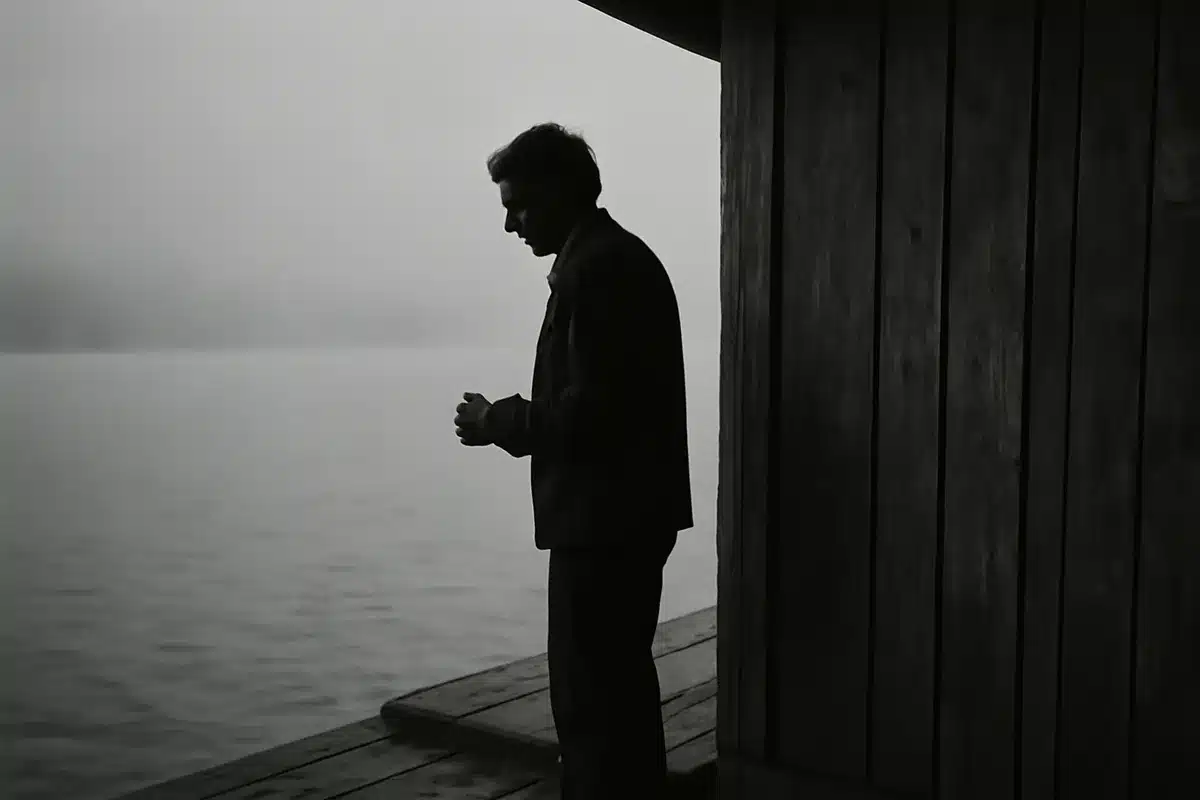
The film centers on Dylan, a waiter who feels erased by routine and the noise of modern life. He retreats to a lakeside shack with the intention of ending his life. Before he acts, he sets a rule: one week of deliberate living to find a reason to stay.
Nas slams music industry over disrespect: teases new music, vows to address it
1992 vocal performances: 3 jaw-dropping moments that still amaze
Dylan’s plan is simple on paper: seek out experiences he never allowed himself. The goal is connection and wonder. The methods become unpredictable, swinging between harmless experiments and dangerous extremes.
The narrative is less about plot than about states of mind. Wright reconstructs Dylan’s interiority through fragmented scenes, diary-like voiceover, and sudden shifts in tone.
George MacKay’s raw, physical performance drives the film
MacKay transforms into a character who is both magnetic and unsettling. His gestures are spare and mechanised at the start, then erupt into manic freedom as the week goes on. He does not offer tidy answers.

The performance invites mixed reactions. At times we root for Dylan’s search for joy. At others we recoil at his disregard for consequences. That tension keeps the film alive.
Risk, empathy and audience complicity
Wright places viewers in a difficult position. We witness intimate, self-destructive acts and feel implicated by proximity. The film does not glamorize harm, but neither does it pull punches.
Family bonds form the emotional backbone
Amid the chaos, Dylan’s connection with his sister becomes the movie’s anchor. Childhood memories, shown as tender home footage, reveal a once-playful bond. Those flashbacks give context to his current pain.

Supporting roles add warmth and friction. A close friend at work offers unspoken affection, while their boss represents the corporate grind Dylan loathes. These relationships map the social forces pushing and pulling at him.
Visual style and sound: punk editing meets haunting score
Wright adopts a collage approach to convey a fractured psyche. Rapid cuts, archival clips, and subjective camera work collide with widescreen compositions. The editing spins between clarity and chaos.
Roly Porter’s score underlines the film’s emotional pivot points. Quiet textures sit next to jolting noise, guiding the audience through dread and release.
- Cinematography: naturalistic close-ups juxtaposed with abstract inserts.
- Editing: montage-driven sequences that mirror mental fragmentation.
- Sound design: persistent, immersive layers that never let you settle.
Moments that linger and scenes to watch for
Several sequences stay with you: a raw conversation between siblings, a public karaoke moment that shifts tone, and a hush of memory captured in old tape. These scenes reveal character without heavy exposition.
The film intentionally blurs humor and menace. Small gestures—light switches, phone vibrations, a mocking corporate phrase—become emotional triggers.
Festival premiere, release notes and practical support resources
Mission premiered at the Edinburgh International Film Festival. International release dates are still being announced.
If this story raises personal distress, reach out. Help is available 24/7 through multiple services.
- Call or text the 988 Suicide & Crisis Lifeline at 988.
- Chat online at 988lifeline.org for non-phone support.
- Trans Lifeline: 877-565-8860.
- The Trevor Project for LGBTQ+ youth: 866-488-7386.
- Crisis Text Line: text START to 741741.
- NAMI HelpLine: 1-800-950-NAMI (Mon–Fri, 10:00 a.m.–10:00 p.m. ET).
- For chat-based options and international contacts, search for local mental health hotlines and the 988 chat service.










