Show summary Hide summary
When the 2000s opened, a subtle shift swept through indie music: songs that sounded like they were dug up from another decade began to feel urgent again. Artists blended old-time instruments, hushed vocals, and intimate recording styles to create a warm, nostalgic sound. That movement redefined modern folk and shaped how listeners remember the early 21st century.
Why the early 2000s folk revival mattered
The period after 2000 saw musicians reach back to acoustic traditions while pushing forward with contemporary production. This fusion created a sound that felt both familiar and new.
Nas slams music industry over disrespect: teases new music, vows to address it
1992 vocal performances: 3 jaw-dropping moments that still amaze
- DIY aesthetics made recordings feel personal and immediate.
- Layered folk arrangements gave songs emotional depth.
- Lyrics often leaned toward memory, loss, and domestic detail.
Sufjan Stevens: orchestral minimalism with a personal touch
Sufjan Stevens arrived with songs that balanced chamber-pop lushness and humble folk simplicity. He mixed banjo and glockenspiel with sweeping arrangements.
How he stood out
- He used orchestral textures without losing intimacy.
- Concept albums and detailed storytelling made records feel cinematic.
- Collaborations bridged folk, indie rock, and experimental scenes.
Key records that influenced the era include albums that married autobiographical lyrics with ambitious instrumentation. These works inspired other musicians to explore narrative depth in folk-based songs.
Iron & Wine (Sam Beam): whispering vocals and home-recorded charm
Sam Beam, the voice behind Iron & Wine, popularized a hushed, confessional style. His early tracks sounded like they were recorded in a living room.

Signature elements
- Soft, close-mic vocals that invite listeners in.
- Simple guitar parts paired with surprising melodic detail.
- A focus on mood over technical flash.
Early releases emphasized lo-fi textures that later inspired a generation of bedroom producers and indie folk acts. Artists watched how intimate production could create emotional immediacy.
Joanna Newsom: harp-driven songs and unexpected narratives
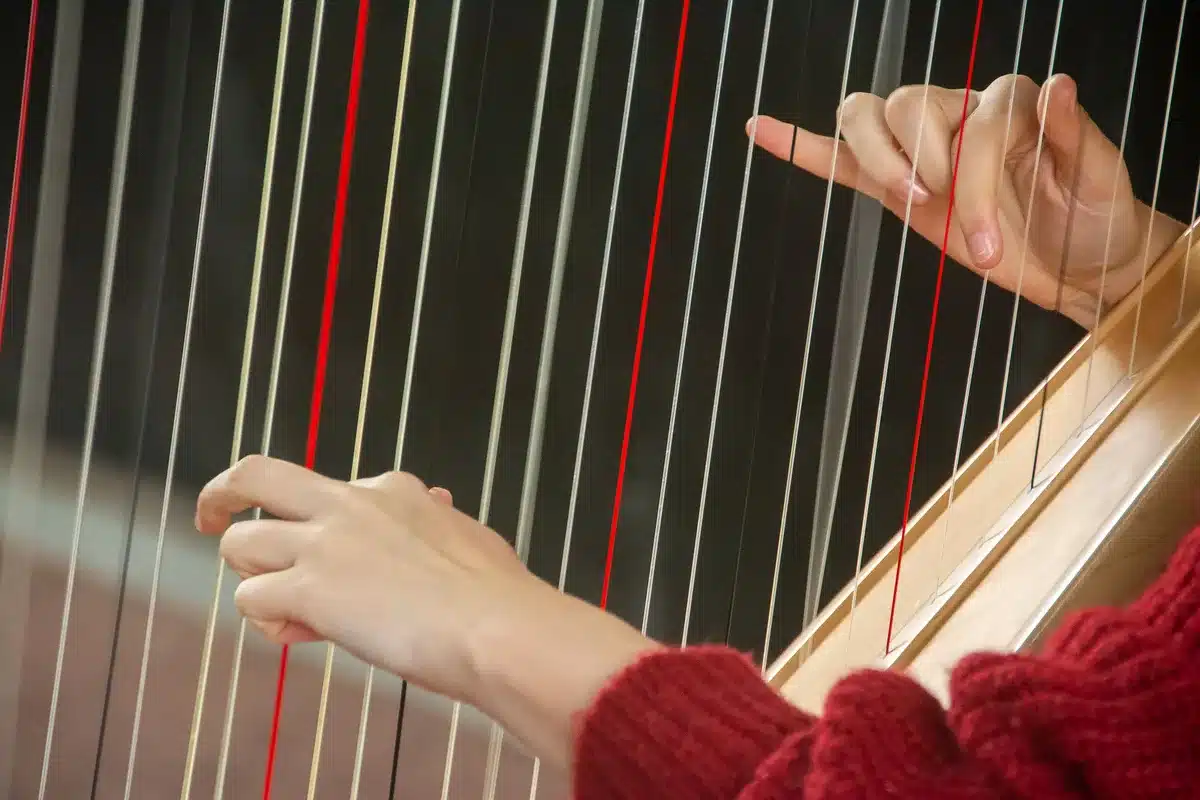
Joanna Newsom reintroduced the harp to indie circles, writing intricate, story-driven compositions. Her voice and songwriting challenged folk conventions.
What she contributed
- Unconventional song structures that felt timeless.
- Poetic lyrics steeped in myth and domestic detail.
- An aesthetic that merged baroque influences with modern themes.
Her presence pushed the folk revival toward adventurous arrangements. Many artists found freedom in blending classical elements into folk frameworks.
How these artists shaped the sound of a decade
Together, these musicians helped define a nostalgic folk aesthetic. They proved that gentle arrangements and close-up production could be powerful. Their influence shows up in countless singer-songwriters and indie bands that followed.
- Independent labels amplified their reach.
- Film and television used their soundtracks to evoke memory.
- New acts borrowed their focus on storytelling and texture.