
Show summary Hide summary
- Why the artist’s words hit a nerve across hip-hop
- How artists and the public reacted
- What “AI in music” looks like now
- Legal and ethical roadblocks facing the music industry
- Why West Coast rap culture feels especially threatened
- Practical steps the industry could take
- How artists can respond creatively
- Where the debate is headed next
A veteran West Coast rapper recently blasted the use of artificial intelligence in music, calling it “a total violation of culture” and igniting a fierce online debate. His remarks cut straight to core tensions in hip-hop: authenticity, respect for legacy, and who gets to control the sound of the streets. As AI tools become more capable, artists and fans are wrestling with whether these technologies uplift creativity or erase the human voice behind it.
Why the artist’s words hit a nerve across hip-hop
The comment reverberated beyond Twitter threads. For many, it wasn’t just about technology. It was about lineage. West Coast rap has deep roots in storytelling, live performance, and distinct vocal styles. When a prominent figure denounces AI-generated vocals or beats, it feels like a defense of that history.
Nas slams music industry over disrespect: teases new music, vows to address it
1992 vocal performances: 3 jaw-dropping moments that still amaze
- Authenticity: Fans worry AI can mimic voices without the lived experience behind them.
- Economic impact: Session musicians, producers, and ghostwriters fear losing work.
- Creative ownership: Questions arise over who owns an AI-created verse or chorus.
How artists and the public reacted
Responses were mixed. Some artists applauded the sentence and aligned with the call to protect culture. Others saw the stance as an overly conservative take that ignores new creative possibilities.
Supporters’ perspective
- They frame AI as an intrusion that can trivialize lived experience.
- Some call for clear rules: no AI recreations of deceased or living artists without explicit consent.
- There are demands for royalty protections and credit transparency.
Opponents and pragmatists
- Some creators argue AI can be a tool, not a replacement.
- Proponents say AI expands sound design and opens doors for indie artists.
- Neutral voices urge industry standards rather than outright bans.
What “AI in music” looks like now
Developers have built tools that can generate instrumentals, write lyrics, and clone voices. These systems range from production assistants to full vocal emulations.
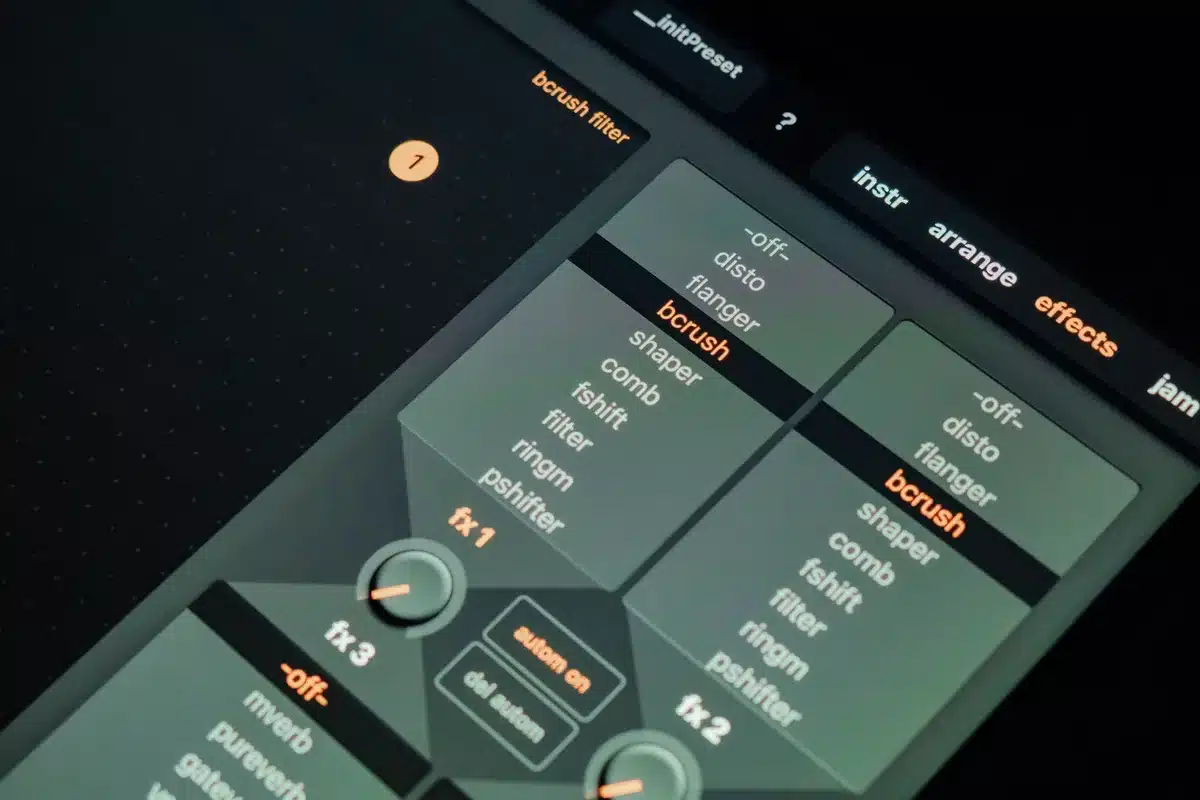
- Beat generators that arrange samples and suggest chord progressions.
- Lyric tools that offer rhymes, hooks, and structural ideas.
- Voice cloning that can imitate timbre, cadence, and delivery.
While these tools can speed up workflow, they also raise ethical questions when used to recreate a deceased rapper or to mimic a living artist without permission.
Legal and ethical roadblocks facing the music industry
Courts and lawmakers are only beginning to address AI’s role in music. Intellectual property law can be murky when the output is partly machine-made and partly human-directed.
- Copyright ownership: Who owns an AI-assisted track?
- Right of publicity: Can someone’s voice be digitally replicated without consent?
- Contract fallout: How do labels and publishers handle AI credits and royalties?
Why West Coast rap culture feels especially threatened
West Coast hip-hop carries a strong sense of identity, from gangsta narratives to funk-driven grooves. That identity is tied to specific voices and production techniques. When AI flattens those hallmarks, it can feel like cultural erasure.
- Sampling and local sounds define the region’s music.
- Street knowledge and lived experience inform lyrics and delivery.
- Oral tradition: mentorship and feature spots pass down style and status.
Practical steps the industry could take
Rather than an outright ban, some suggest building guardrails that protect creators while allowing innovation.
- Mandatory disclosure when AI contributes to a track.
- Licensing frameworks for voice replication and sample datasets.
- Revenue-share models for affected session musicians and writers.
- Industry-wide ethics codes that require consent for imitating artists.
How artists can respond creatively
Several musicians are already experimenting with hybrid approaches. They use AI for ideas, then layer human performance and narrative to preserve authenticity.
- Use AI as a sketch tool, not the final voice.
- Collaborate with technologists to build culturally aware models.
- Educate fans about the creative process and credit chains.
Where the debate is headed next
As the technology evolves, the conversation will shift from sensational headlines to practical norms. Labels, guilds, and lawmakers will play a role. So will artists who insist on protecting culture while exploring new sounds. The coming months may reveal whether hip-hop can integrate AI without sacrificing the voices that built it.










