

Show summary Hide summary
- Roots in England: From Midlands suburbs to the metal scene
- The sound that changed heavy metal
- Judas Priest: breakthrough, albums, and stadium domination
- Award recognition: the Grammy and other milestones
- Personal life: identity, honesty, and influence
- Solo projects and collaborations
- Live performer: the energy that never aged
- Legacy: why he is still called the ‘Metal God’
- How newer generations discover his work
Rob Halford, the man who helped define heavy metal’s look and sound, turns 75 today. From a modest start in England to stadiums worldwide, his career spans six decades of high-pitched screams, leather jackets, and a relentless drive to push metal forward. Fans, musicians, and critics still point to his voice and persona as a blueprint for heavy metal frontmen.
Roots in England: From Midlands suburbs to the metal scene
Rob Halford grew up in Sutton Coldfield, near Birmingham, a region that birthed some of rock’s most aggressive sounds. Music provided an escape for a young singer whose early influences included soul, blues, and rock. He joined local bands before finding his match in a group that would become Judas Priest.
The sound that changed heavy metal
Halford’s voice became his signature. He blended operatic highs with guttural lows. That contrast gave Judas Priest an edge. Producers and fans alike praised his range and control. Many vocalists cite him as a primary influence.
Nas slams music industry over disrespect: teases new music, vows to address it
1992 vocal performances: 3 jaw-dropping moments that still amaze
- High-pitched screams: became a defining trait of 1970s and 1980s metal.
- Powerful midrange: allowed him to carry melodies over twin-guitar arrangements.
- Stage command: theatrical moves and leather-clad image set a visual standard.
Judas Priest: breakthrough, albums, and stadium domination
When Halford fronted Judas Priest, the band moved from underground cult status to stadium headliners. Albums like British Steel and Screaming for Vengeance broke new ground. Songs from those records remain staples on classic-metal playlists.
Key albums and tracks every fan remembers
- British Steel — a lean, riff-driven record with global reach.
- Screaming for Vengeance — raised the band’s profile in the United States.
- Defenders of the Faith — continued the heavy, precise approach.

Award recognition: the Grammy and other milestones
Decades into his career, Halford and his band received major recognition from the music industry. Winning a Grammy highlighted metal’s influence on mainstream culture. Awards affirmed what fans already knew: Judas Priest helped to shape a genre.
Personal life: identity, honesty, and influence
Halford’s life offstage took a different kind of courage. He came out publicly, challenging norms within a macho music scene. His openness inspired many fans and musicians. That moment changed perceptions about visibility in rock and metal.
Solo projects and collaborations
Beyond Judas Priest, Halford has explored other musical paths. His side projects and guest appearances showed his versatility. From heavier, experimental material to more traditional rock, he kept evolving.
- Solo albums that showcased different stylistic choices.
- Collaborations with peers across metal and rock genres.
- Occasional returns to classic Judas Priest sound in live settings.
Live performer: the energy that never aged
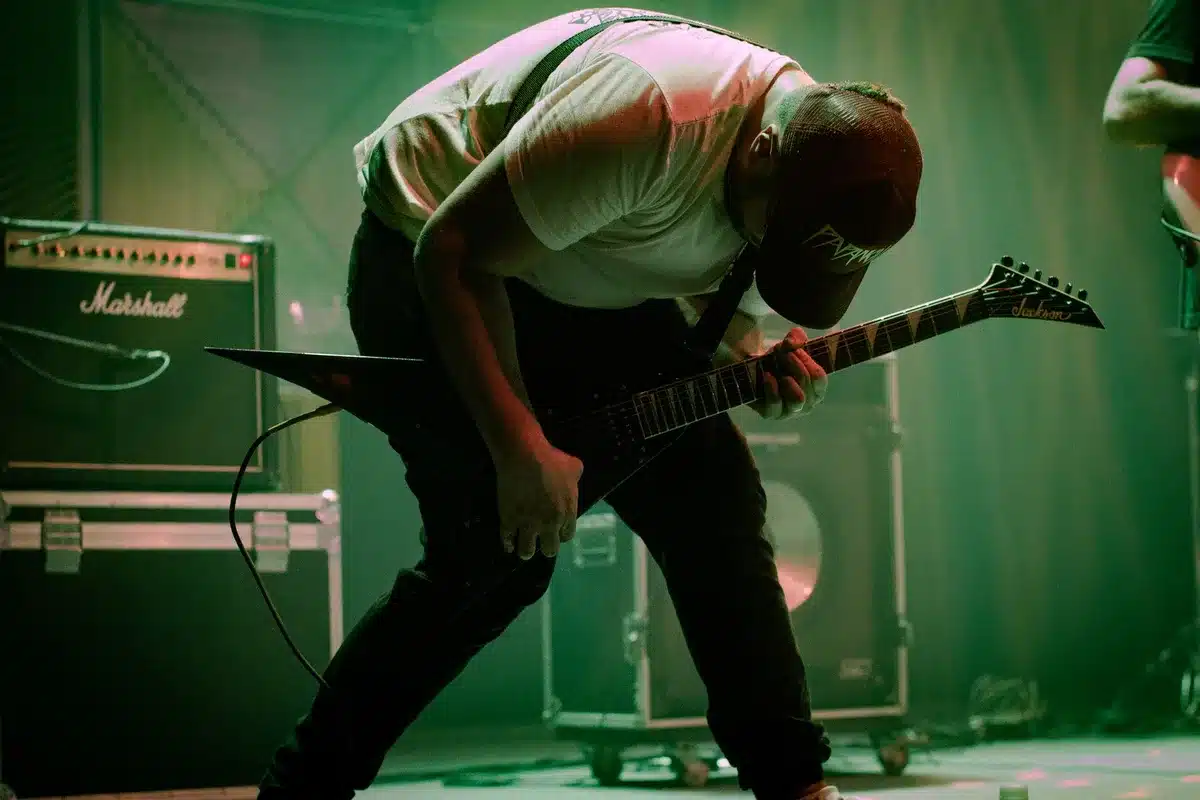
Halford’s stage presence remained electric into his later years. Fans note the precision of his vocals and his knack for connecting with crowds. Even in festival settings, his performances command attention.
What makes his concerts memorable
- Distinctive vocal delivery that cuts through loud guitar lines.
- Iconic imagery: leather, studs, and aerial mic-stand theatrics.
- Setlists that balance hits with deep cuts for long-time fans.
Legacy: why he is still called the ‘Metal God’
The nickname stuck because Halford helped define a sound and image now synonymous with metal. Generations of singers credit him. Bands cover Judas Priest songs regularly. His influence appears in vocal techniques, fashion, and stagecraft across the genre.
His combination of vocal range, visual identity, and longevity keeps him central to heavy metal’s story.
How newer generations discover his work
Streaming services, reissues, and festival appearances keep Halford in the public eye. Younger listeners find Judas Priest via playlists, documentaries, and tribute acts. Educators and journalists point to his role when tracing metal’s evolution.
- Remastered album releases bring classic records to new formats.
- Documentaries and interviews provide context to his career.
- Live festival performances expose him to broader audiences.










