

Show summary Hide summary
- Dylan Meyer’s pivot: from screenwriter to director
- The oddball premise: squid-derived psychedelics and telepathic friendship
- Writing for cats: finding humor in feline judgment
- Kristen Stewart and Alia Shawkat: grounding the chaos with heart
- Designing the finale: a private dance shared out loud
- Influences, tone, and production notes
- Practicalities and personality: behind-the-scenes choices
- Release and context
Dylan Meyer steps from behind the script into the director’s chair with a film that refuses to behave. The Wrong Girls is a sun-soaked, stoner comedy set in Los Angeles where giant-squid psychedelics, telepathic bonds, and two judgmental cats collide—starring Kristen Stewart and Alia Shawkat, with feline voices by Seth Rogen and Kumail Nanjiani.
Dylan Meyer’s pivot: from screenwriter to director
Meyer built her name writing spirited, female-forward stories like XOXO and Moxie. With The Wrong Girls she makes her first feature as director. The movie grew from personal memories of living with a chaotic best friend into a long-gestating passion project.
Nas slams music industry over disrespect: teases new music, vows to address it
1992 vocal performances: 3 jaw-dropping moments that still amaze
She drafted an early version over a decade ago. The story evolved with her life and with the industry. Through development and the pandemic, the central duo remained timeless: two messy women navigating adulthood with a defiant sense of humor.
The oddball premise: squid-derived psychedelics and telepathic friendship
The film leans into a playful, surreal premise: psychedelic drugs distilled from deep-sea creatures that give two pals telepathy. Their newfound connection lets them share thoughts and private moments, including conversations with their cats.
Meyer explains the ocean inspired the idea. She compares the deep sea to a place of unknown wonders—strange life forms, uncharted territory, and a natural source of imagination. That mystery became the film’s fantastical catalyst.
Why the squid?
- Childhood fascination with giant squids fueled the choice.
- The sea represents mystery and the unknown.
- It ties the story to California life and coastal culture.
Writing for cats: finding humor in feline judgment
Two cats, Dio and GG, act as sardonic mirrors to the protagonists. Meyer wanted the animals to feel like realistic roommates—indifferent, opinionated, and deeply observant.
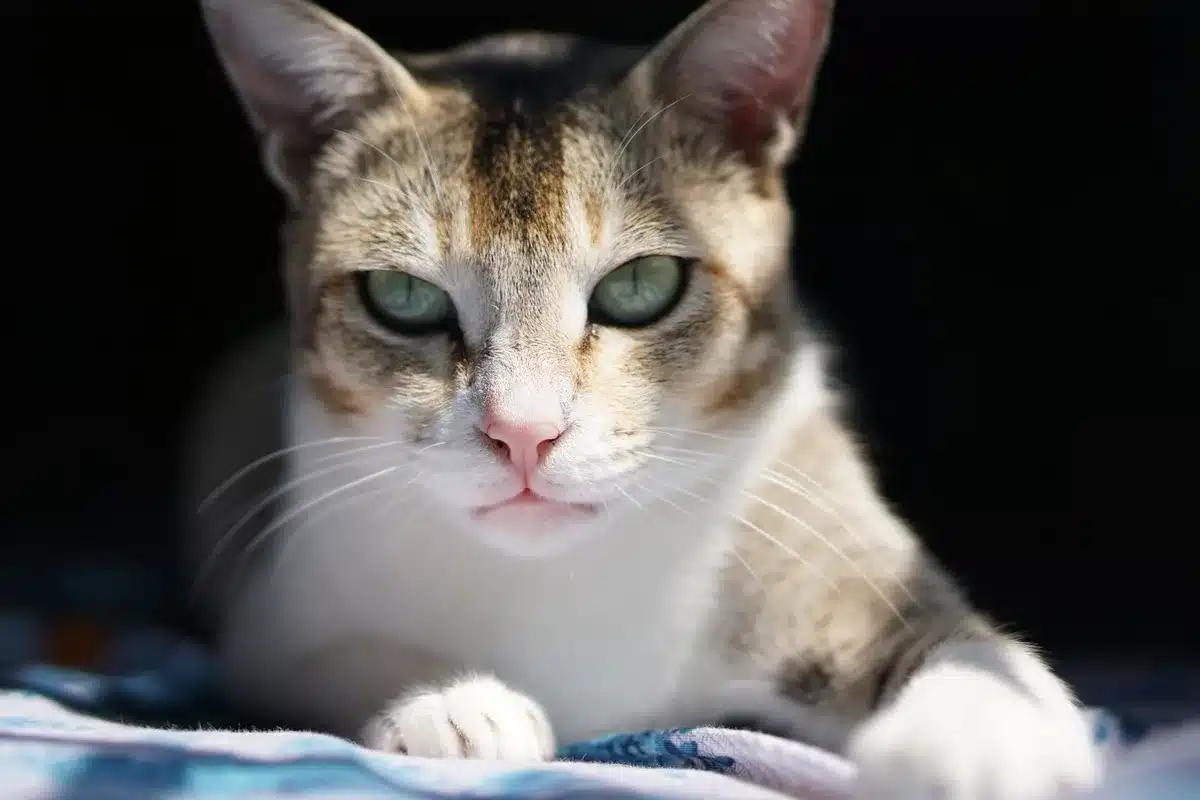
She designed the cats’ lines to be less anthropomorphic sermon and more filtered social commentary. The animals absorb pop culture and hold a running critique of the human chaos around them.
Choosing cats and voice actors
- Physical looks mattered: facial expressions that naturally elicit laughs.
- Each cat had on-set doubles and trained animal actors.
- Seth Rogen and Kumail Nanjiani were cast to match distinct feline personalities.
Seth Rogen’s voice channels a judgmental roommate vibe. Kumail brings a timid, nervous energy that reads as a frightened but lovable cat. Meyer tailored the dialogue to match real feline behavior and the actors’ comic instincts.
Kristen Stewart and Alia Shawkat: grounding the chaos with heart
Stewart and Shawkat play Frankie and Molly, two best friends who are gloriously imperfect. Meyer first envisioned Stewart in one of the lead roles long before their personal relationship. She says Stewart’s real-life mannerisms aligned with the character’s dirtbag, skater-punk energy.
The film reveals a side of Stewart many viewers have not seen: a relaxed, risky comedic performer who revels in vulnerability. Alia Shawkat supplies an emotional anchor. Together, they build a friendship that’s messy, funny, and sincere.
Performance approach
- Comedy is treated as an extension of honest acting.
- The leads play private moments, not exaggerated tropes.
- Improvisation and lived-in rhythms shape many scenes.
Designing the finale: a private dance shared out loud
The movie’s climax is a joy-filled dance sequence that plays as a shared internal experience. Rather than a theatrical musical number, the moment is rooted in the characters’ minds, fueled by their telepathic bond.
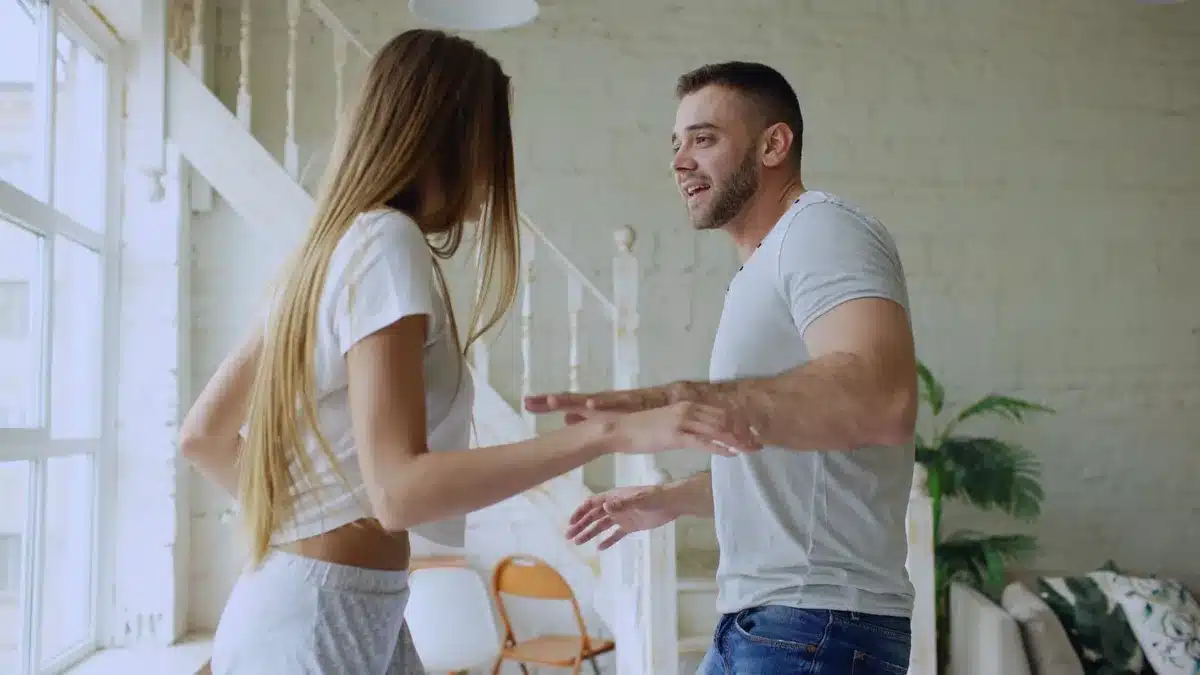
Meyer avoided turning the ending into a polished showpiece. Instead, the choreography feels homemade—like two friends inventing moves in a living room. That imperfect, childlike quality preserves the film’s emotional truth.
Céline Dion’s voice anchors the scene as an unabashed, sentimental choice. The song serves both as intimate wish fulfillment and a comic contrast when bystanders cannot hear what the pair hears.
Influences, tone, and production notes
The Wrong Girls nods to cult and buddy-comedies while carving its own quirky path. Meyer cites films and shows that blend earnestness with offbeat humor.
- Romy and Michele’s High School Reunion for female buddy dynamics.
- Dumb and Dumber for unapologetic, foolish joy.
- Blue Planet and ocean documentaries for visual and thematic inspiration.
- Empire Records for its youthful, emotional energy.
Production was shaped by long-term collaboration, small budgets, and cast members who joined for the creative fit, not big paydays. The project emerged as a labor of love over many years.
Practicalities and personality: behind-the-scenes choices
Meyer emphasizes realistic casting choices for the cats and practical staging for comedic beats. She wanted animals that could carry expression without feeling staged. The voice work evolved during pick-ups and ADR to match on-camera feline behavior.
On location, the film leans into Southern California textures—beaches, suburbs, and a skater-punk aesthetic. The result is a film that feels local and idiosyncratic, and yet broadly relatable.
Release and context
The Wrong Girls opens in theaters Aug. 14. Its blend of surreal ideas and grounded friendship aims to expand what female-driven comedies can be.










