
Show summary Hide summary
The idea that a pop song could double as a lifesaving rhythm feels surreal. Yet music with the right beats-per-minute can help people keep time during chest compressions. One Charli XCX track has the groove and pace that match CPR guidance — but this is a reminder, not a substitute, for training or emergency services.
Why tempo matters for effective CPR
CPR guidelines emphasize the rhythm of compressions. Rescuers should aim for 100–120 chest compressions per minute. That pace keeps blood flowing to vital organs until professional help arrives.
Medical groups and trainers often recommend using a familiar song to maintain that tempo. The beat helps prevent compressions that are too slow or irregular. A steady, memorable tune can be crucial during a stressful emergency.
Nas slams music industry over disrespect: teases new music, vows to address it
1992 vocal performances: 3 jaw-dropping moments that still amaze
Which Charli XCX song lines up with the recommended BPM
If you scan Charli XCX’s catalog for midtempo pop hooks, one song stands out for its steady pulse. “Boom Clap” lands in the range that fits CPR rhythm. Its energetic but even beat makes it easy to count along.
- BPM match: “Boom Clap” sits close to the 100–120 BPM window.
- Cadence: The percussion and hand claps give clear, repeatable accents.
- Recall value: The chorus is memorable, which can aid timing under pressure.
How to translate a song’s beat into chest compressions
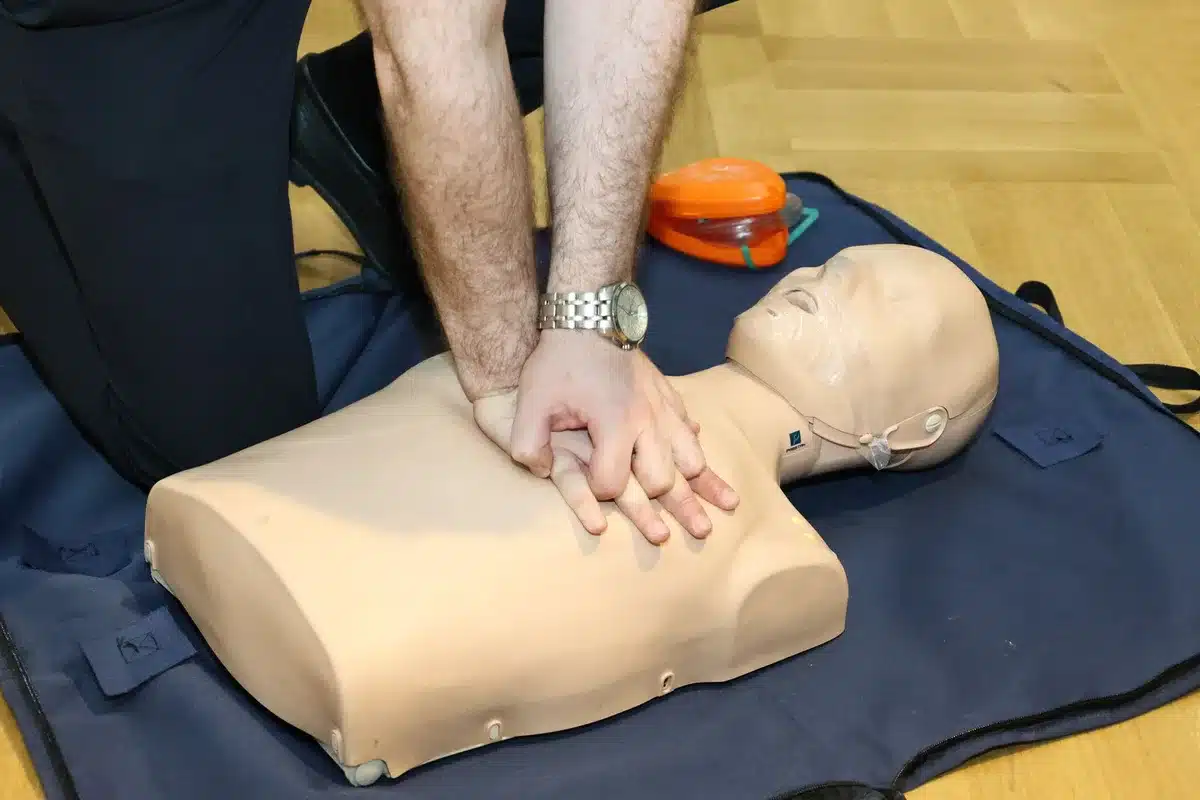
Matching compressions to music is straightforward if you know what to do. Use the song’s strong beats as markers and perform compressions on each beat.
- Place the heel of one hand in the center of the chest.
- Interlock your fingers and keep your arms straight.
- Push down hard and fast — about 2 inches (5 cm) for adults.
- Let the chest fully recoil between compressions.
- Aim for one compression per beat of the song, keeping the rhythm steady.
Important safety notes
- Call emergency services first if you encounter someone unresponsive and not breathing normally.
- Follow dispatcher instructions while you prepare to give compressions.
- If you are trained and comfortable, combine compressions with rescue breaths per local protocols.
- If untrained, hands-only CPR (continuous chest compressions) is recommended until help arrives.
Why people use pop songs instead of metronomes
A musical cue is often more accessible than a metronome. Phones, earbuds, and memory make music an easy tool to keep pace.
- Songs are easy to remember under stress.
- Most people carry a device that can play a track instantly.
- Musical accents help avoid rushed or shallow compressions.
Practical tips for preparing ahead
You may never need to use this, but a little preparation can increase confidence.
- Take a certified CPR course to learn proper technique.
- Practice compressions to the beat of a song like “Boom Clap”.
- Set a playlist or shortcut on your phone for emergencies.
- Teach family members the rhythm and basic steps.
Limitations and responsible use
Music can help keep time, but it does not replace training. Relying on a song without knowing landmarks for hand placement or depth is risky.
Always prioritize:
- Calling emergency services immediately.
- Following dispatcher guidance.
- Taking formal CPR training when possible.










