

Show summary Hide summary
Ava DuVernay returns with a sweeping new documentary that dissects how one constitutional line shapes American belonging. Sharp, timely and designed for wide audiences, the film promises fresh debates about citizenship, rights and power as it moves from festival screenings to theaters and then to Netflix.
When and where you can watch “14th”
The film will reach streaming viewers worldwide on Netflix on Dec. 4. Before that, select theaters in the U.S. and U.K. will screen the documentary starting Nov. 27.
Nas slams music industry over disrespect: teases new music, vows to address it
1992 vocal performances: 3 jaw-dropping moments that still amaze
Early audiences will first see the film at a major festival. It will close the New York Film Festival on Oct. 9 with a screening at Alice Tully Hall.
How the film reframes the 14th Amendment for today
DuVernay builds a narrative around the 14th Amendment and the ongoing fight over who counts as full members of the nation. Rather than act as a historical lecture, the documentary connects past battles to present political struggles.
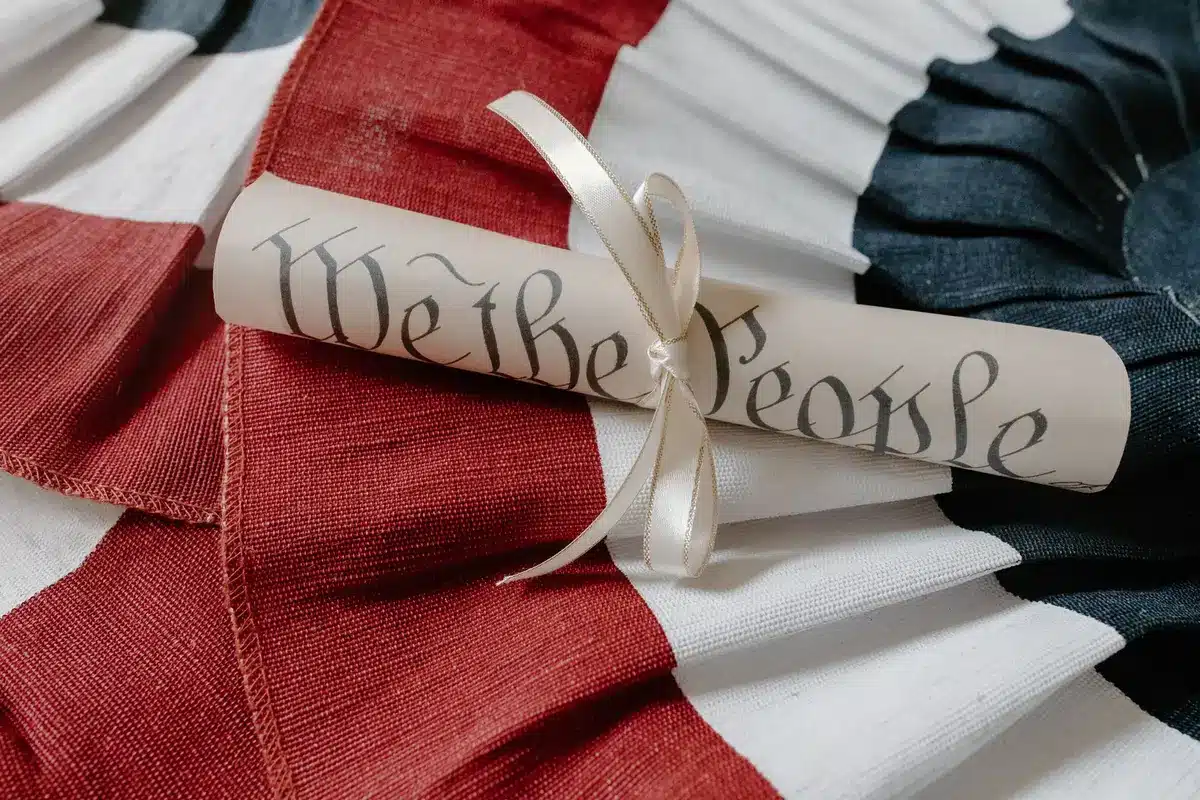
The director positions the amendment as a living text. She asks how its promises have been used, contested and reshaped across generations.
Central themes and approach
- The legal meaning of citizenship and equal protection.
- How laws and institutions define belonging.
- The gap between constitutional language and lived realities.
Who appears on camera: a wide range of perspectives
DuVernay assembles a broad roster of interviewees. The lineup includes elected officials, jurists, historians, activists and commentators.
- Current and former lawmakers share firsthand views. Names include Alexandria Ocasio-Cortez, Anna Paulina Luna, Alex Padilla and Jeff Flake.
- Legal and civil-rights leaders contribute analysis. Among them are Sherrilyn Ifill, Robert Chang and Stacey Abrams.
- Scholars and historians such as Eric Foner and David Blight provide historical context.
- Cultural commentators like Hasan Piker and Donald T. Critchlow add contemporary critique.
Together, these voices form a cross-aisle conversation about identity, law and power. DuVernay intercuts testimony and archival material to show how debates over the amendment have evolved for more than a century.
What viewers should expect from DuVernay’s storytelling
The director adopts a reported, cinematic style that blends interviews with archival footage and narration. She aims to spark questions about who is included in the national story.
The film doesn’t only look backward. Its beats emphasize present legal fights and political choices that shape daily life now.
Production notes and editorial choices
DuVernay conducted more than 50 in-depth interviews for the project. The film weaves expert testimony into a larger narrative about constitutional interpretation and civic belonging.
- Extensive interviews provide legal and cultural analysis.
- Archival material traces the amendment’s contested history.
- Diverse viewpoints create deliberate tension and dialogue.
Festival debut and the release plan
After premiering at the New York Film Festival, the documentary will roll out in theaters and then stream on Netflix. That staggered release is designed to reach both critics and a broad home audience.
Industry observers see the strategy as a bid for both awards attention and public conversation.










