

Show summary Hide summary
There’s a particular kind of nostalgia that hits when you revisit early 2000s music videos. The era fused daring fashion, cinematic storytelling, and playful visual tricks into short films that felt bigger than the songs themselves. As streaming and social platforms compress attention spans, those bold, theatrical choices feel like a lost art worth bringing back.
Vivid color grading and unmistakable Y2K visuals
Early 2000s videos leaned into color the way sound designers leaned into bass. Saturated hues, high contrast, and deliberate tinting created instant moods.
Nas slams music industry over disrespect: teases new music, vows to address it
1992 vocal performances: 3 jaw-dropping moments that still amaze

- Color as character: Directors used palettes to signal tone, from cool teal nightscapes to warm gold nostalgia.
- Filters were not subtle. They announced a vibe and made videos instantly recognizable.
- Fashion and set design worked with color choices to build a unified visual identity.
Why it matters for today’s artists
In a sea of short-form clips, a strong visual palette cuts through. A deliberate look helps songs stick in memory and fuels press coverage.
Mini-movie storytelling that treated videos like short films
Many videos were more than performances; they were stories with arcs, characters, and cinematic beats. That narrative ambition made music videos cultural events.
- Clear plots: Romance, revenge, and fantasy often played out over three minutes.
- Directors used classic film devices—montages, jump cuts, and score-like underscoring.
- Artists became actors, and videos gave songs a second life as visual tales.
How narrative boosts engagement
A short film approach invites repeat views, fan theories, and editorial attention. It turns a song into a story people want to revisit.
Practical effects and creative low‑tech tricks
Before every effect was polished in post, teams used on-set ingenuity: practical props, inventive green-screen setups, and playful camera rigs.
- Hands-on VFX: Smoke, mirrors, and cleverly lit backdrops produced memorable moments.
- Simple tech was used boldly—animated overlays, lens flares, and split screens added texture.
- These choices gave videos a tactile feel missing from ultra-clean CGI.
Practicality that sparks originality
Working within limits often breeds creative solutions. Modern creators who blend practical effects with digital polish can achieve nostalgic freshness.
Iconic choreography and group dynamics on set
Dance sequences and synchronized movement were central to many videos. They created viral moments before virality existed.
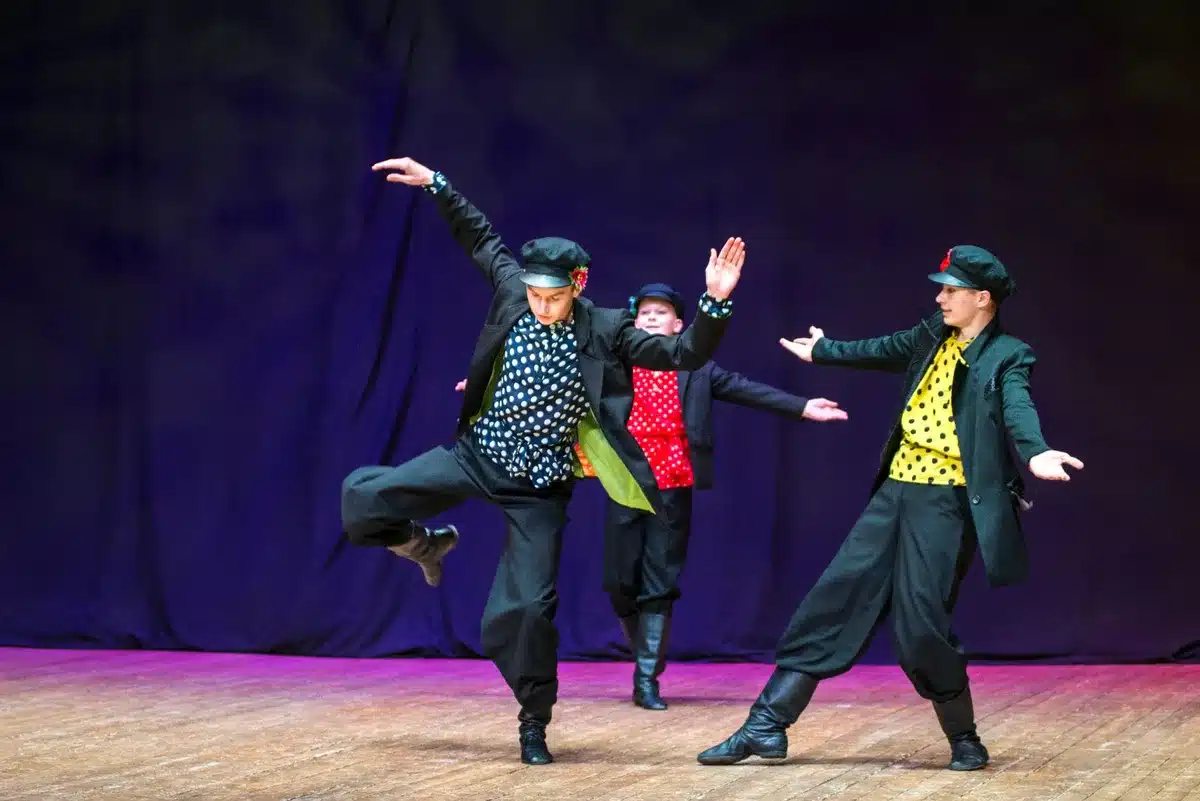
- Signature moves: Choreography gave songs visual hooks that fans mimicked.
- Group energy—ensembles, backup dancers, and street crews—added scale to modest budgets.
- Performance shots were woven into narratives, not just interludes.
Why choreography remains powerful
Moves that fans can learn and share amplify a song’s reach. Tight staging and memorable routines still translate to today’s social platforms.
The commercial edge: branding without drowning the art
Early 2000s videos balanced sponsorships and style in ways that felt organic. Product moments were integrated into scenes rather than interrupting them.
- Embedded partnerships: Brands appeared as part of set design or wardrobe.
- Sponsorships funded ambitious concepts while preserving creative control.
- The result: big ideas executed without losing artistic identity.
Applying the lesson now
Artists and labels can seek partnerships that enhance, rather than dilute, the visual world of a song. That alignment allows for larger creative gambles.










