

Show summary Hide summary
On a busy Saturday night at a sports bar, one badly timed jukebox pick can shift the mood faster than a last-minute goal. A 38-year-old man pulling out a familiar rock anthem might think he’s sparking a singalong. Instead, he risks pissing off fans, disrupting the game, and even getting shown the door at a location like Buffalo Wild Wings.
Why some rock songs turn a game-night crowd hostile
Bars that double as sports venues balance sound, screens, and atmosphere. When music competes with the game, tempers flare. Staff have little patience for repeated requests that derail service or provoke arguments.
KATSEYE postpones another concert: illness details remain undisclosed
Cupertino: a stylish legal drama packed with tech twists
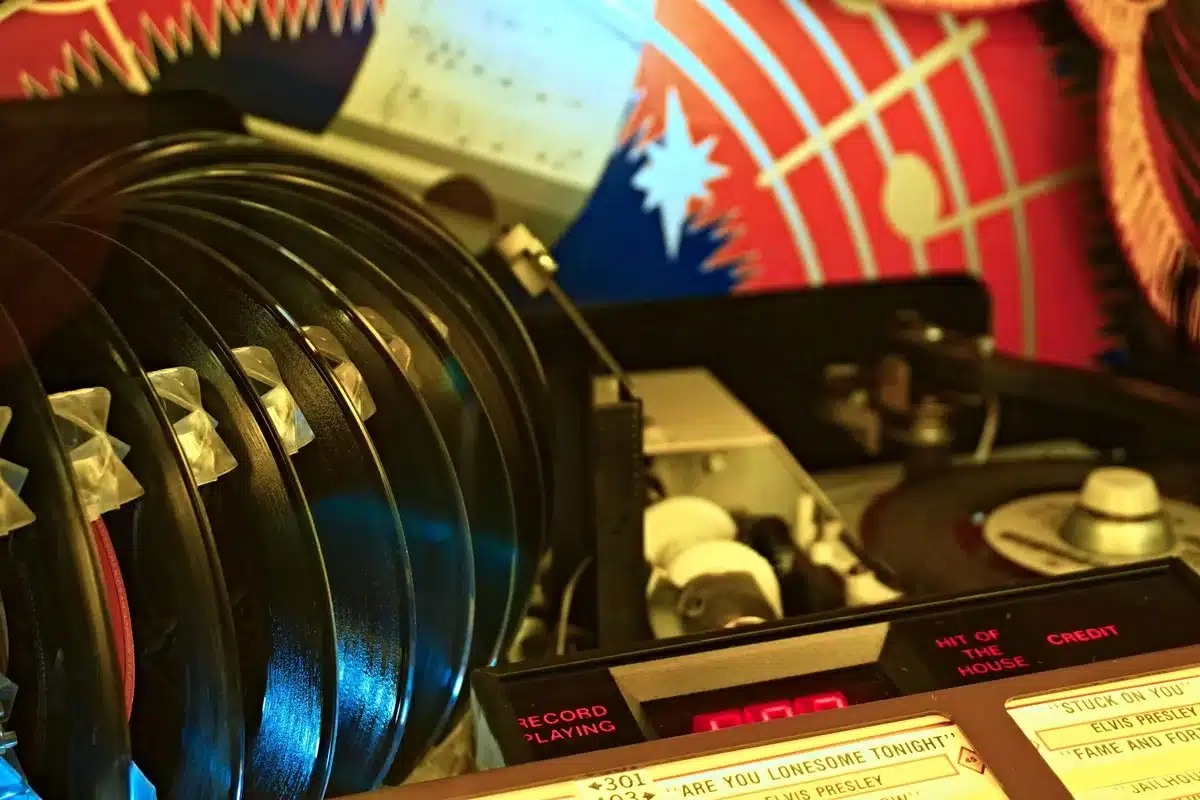
- Timing matters: A loud chorus during a crucial play can cost the bar customers and safety.
- Repeat offenders: Patrons who monopolize the jukebox or mic quickly become a liability.
- Provocation risk: Songs tied to rival teams, politics, or provocative lyrics can ignite disputes.
Three rock tracks most likely to get you kicked out
These selections are notorious for starting singalongs, fights, or endless repeat requests. The reactions are part humor, part social friction.
1. “Free Bird” — the classic bar prank
- Why it angers people: The song’s length and meme status invite endless requests at any jukebox.
- Typical reaction: Laughter at first, then eye-rolls. Staff may step in if it’s constant.
- How it escalates: Crowds singing over TV commentary can turn into shoving matches when fans miss big plays.
- Safer alternative: Pick a short classic rock hit that doesn’t demand the room’s attention.
2. “Bohemian Rhapsody” — epic, but disruptive
- Why it sparks chaos: Its shifting tempo and theatrical parts encourage loud, coordinated singing.
- Typical reaction: A section of the room turns into karaoke, drowning out sports audio.
- How it escalates: Frustrated viewers and bartenders may ask the singer to stop or leave.
- Safer alternative: Choose a crowd-friendly, radio-length tune that doesn’t hijack the hour.
3. High-energy rivalry anthems — the temptation to taunt
- Why it angers people: Songs associated with opposing teams or regional pride can provoke rival fans.
- Typical reaction: Shouting, chest-bumping, and sometimes physical confrontations.
- How it escalates: Management has the right to remove anyone causing disturbance.
- Safer alternative: Neutral genre picks that keep the energy up without targeting anyone.
How venues like Buffalo Wild Wings enforce order
Sports bars operate under clear house rules. Staff and security act fast when music choices or behavior threaten safety.
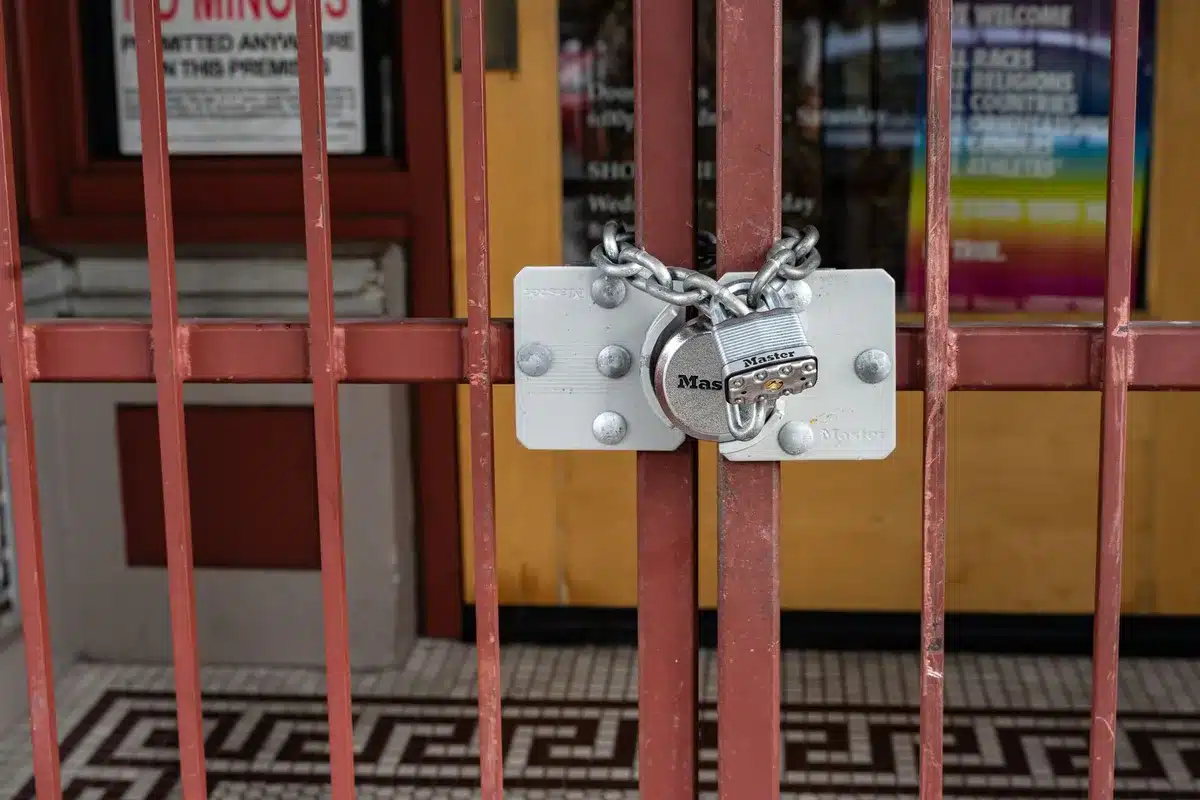
- Zero-tolerance for aggressive behavior: Ejection follows fights or threats.
- Control of music: Management can mute the jukebox or refuse requests.
- Repeat problems: Patrons who come back after being warned may face bans.
Practical tips to avoid becoming the person they show the door
- Check the vibe before you queue a song. If multiple screens are showing a game, keep it low.
- Don’t monopolize shared music systems. One request every so often goes a long way.
- Avoid songs that single out rival fans or contain inflammatory lyrics.
- If asked by staff to stop, comply calmly. Resistance is the fastest path to ejection.
- Consider quieter alternatives like playlists or streaming earbuds if you want private listening.
What to do if you get escorted out
If a staff member asks you to leave, stay calm and comply. Asking for the manager later is better than arguing on the spot. Many bans are temporary and avoidable with an apology and respectful behavior.










