

Show summary Hide summary
- From Dallas streets to the road with ZZ Top
- How his groove shaped ZZ Top’s signature sound
- Not just a drummer — a visual paradox
- Equipment and techniques that defined his tone
- Career highlights and notable recordings
- Collaborations, influences, and what he taught the next generation
- Recent years and ongoing presence
- Why Frank Beard matters to modern rock fans and musicians
Frank Beard has long been the rhythmic heartbeat of ZZ Top and one of rock’s most ironic icons: the only member of the trio without a beard. His steady grooves and low-key stage presence anchored hits that defined Texas blues-rock for decades.
From Dallas streets to the road with ZZ Top
Born and raised in Dallas, Frank Beard found music early. He moved from local bands into the spotlight as ZZ Top formed and settled into a sound that mixed blues, country, and electric rock.
KATSEYE postpones another concert: illness details remain undisclosed
Cupertino: a stylish legal drama packed with tech twists
- Early bands: played in regional groups that honed his timing and feel.
- Joining ZZ Top: became the drummer as the band coalesced in the late 1960s and early 1970s.
- Breakthrough: helped craft the backbeat behind the albums that launched ZZ Top nationally.
How his groove shaped ZZ Top’s signature sound
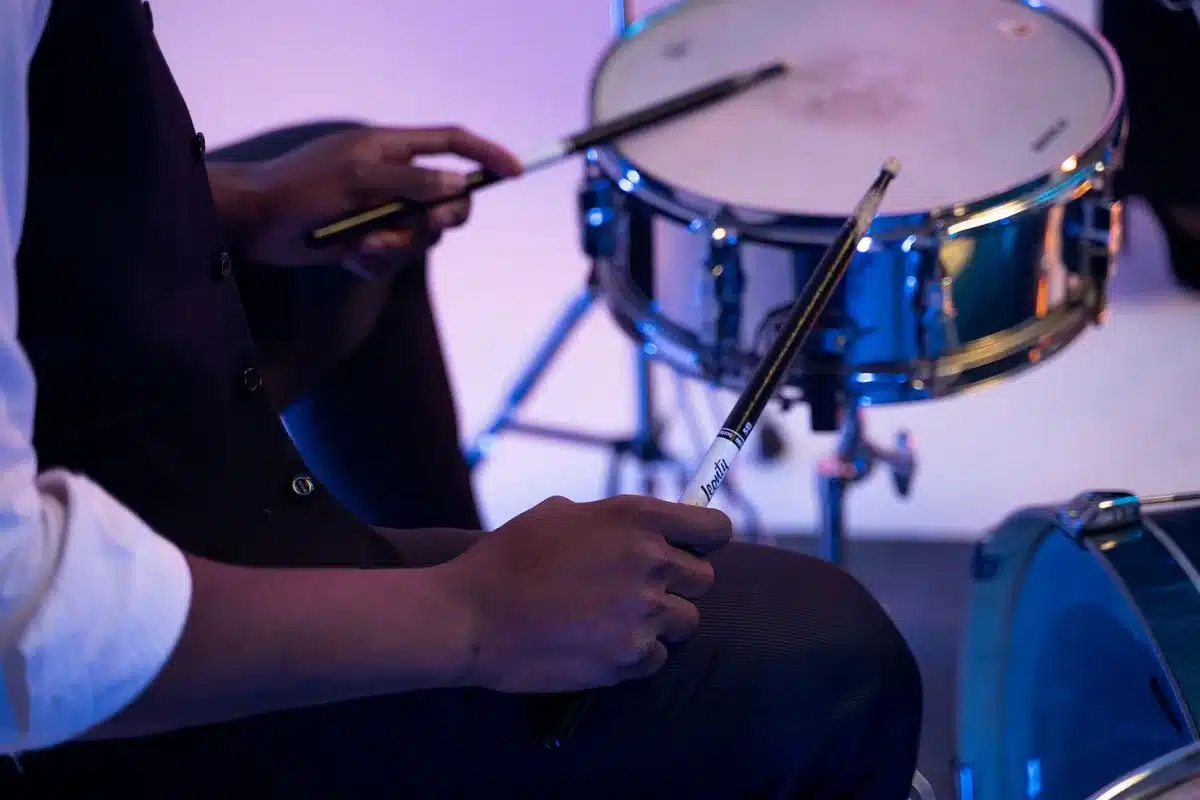
Beard’s approach is economical, focused on pocket and texture rather than flashy fills. That restraint allowed guitar and vocals to cut through.
Key elements of his drumming
- Emphasis on steady tempo and tight synchronization with bass.
- Use of muted snare and light ride patterns to support bluesy guitar riffs.
- Minimalist fills that serve the song, not the solo.
Not just a drummer — a visual paradox
The irony of his name made for endless jokes: Beard, without a beard. The band leaned into visual themes, while Beard kept a modest public persona.
- Stage persona: calm, focused, rarely the center of attention.
- Public image: contrasted sharply with the flamboyant guitar styling of his bandmates.
- Band dynamics: his steady demeanor balanced the group’s larger-than-life image.
Equipment and techniques that defined his tone
Beard favored drum kits and cymbals that produced a warm, clear sound. His setup supported the band’s guitar-forward mix without competing for space.
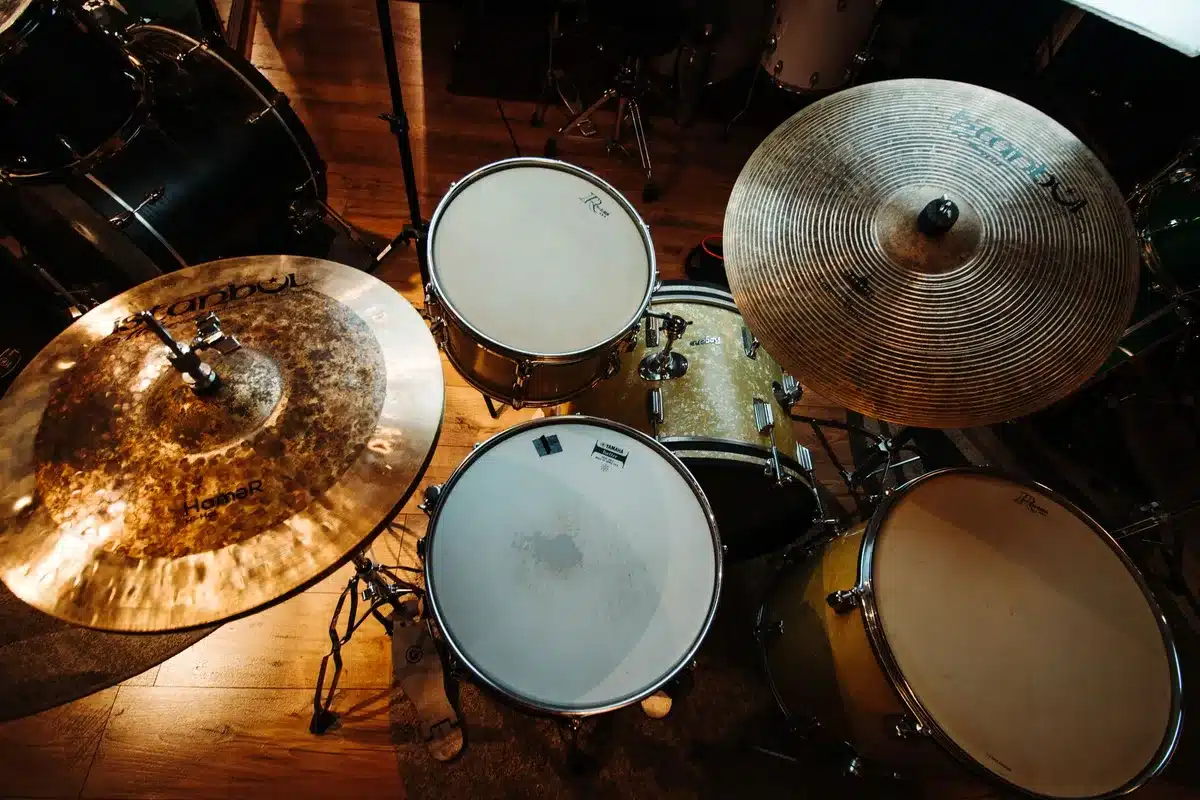
- Snare choices aimed for a crisp but not overly bright attack.
- Toms were tuned for a rounded sound, useful for fills that stayed supportive.
- Cymbals preferred clarity over wash to keep grooves tight on loud stages.
Career highlights and notable recordings
Across decades, Beard drummed on records that became staples of classic rock radio and influenced younger drummers.
- Breakout albums: records that brought ZZ Top into mainstream attention.
- Hit singles: songs known worldwide with drum parts that are deceptively simple and effective.
- Touring legacy: decades of tours that tested and proved endurance and consistency.
Collaborations, influences, and what he taught the next generation
Beard drew from blues, R&B, and country. His focus on feel rather than flash left lessons for drummers who value songcraft.
- Influences included regional blues drummers and national R&B players.
- He appeared on side projects and studio sessions that broadened his musical palette.
- Many up-and-coming drummers cite his pocket and commitment to the song as pivotal.
Recent years and ongoing presence
Over time Beard continued to perform and record with the band. He worked behind the scenes on arrangements and maintained a lower-profile life offstage.
- Touring: remained an essential part of ZZ Top’s live sound when the band toured.
- Studio work: contributed to later albums and remasters.
- Public appearances: occasional interviews and features highlighted his role.
Why Frank Beard matters to modern rock fans and musicians
Beard’s legacy is not about spectacle. It’s about the craft of holding a song together. That discipline resonates with musicians and fans who value authenticity.
His drumming shows that restraint can be as powerful as virtuosity. For fans of blues rock and Texas music, his work remains a reference point.










