
Show summary Hide summary
- How a music download became central evidence
- Timeline shown to the jury: minutes and hours matter
- Why the song itself was played in court
- Defense pushback: alternate explanations and doubts
- Expert testimony on digital forensics and reliability
- Legal and emotional weight of sensory evidence
- Broader implications for trials in the digital age
- What legal observers are watching
A tense moment in a recent murder trial turned on a detail that might sound trivial: a song file. Prosecutors told the jury that the defendant downloaded a Guns N’ Roses track just hours before his wife was found dead. The same song was later played in the courtroom as the state sought to connect digital behavior to motive and opportunity.
How a music download became central evidence
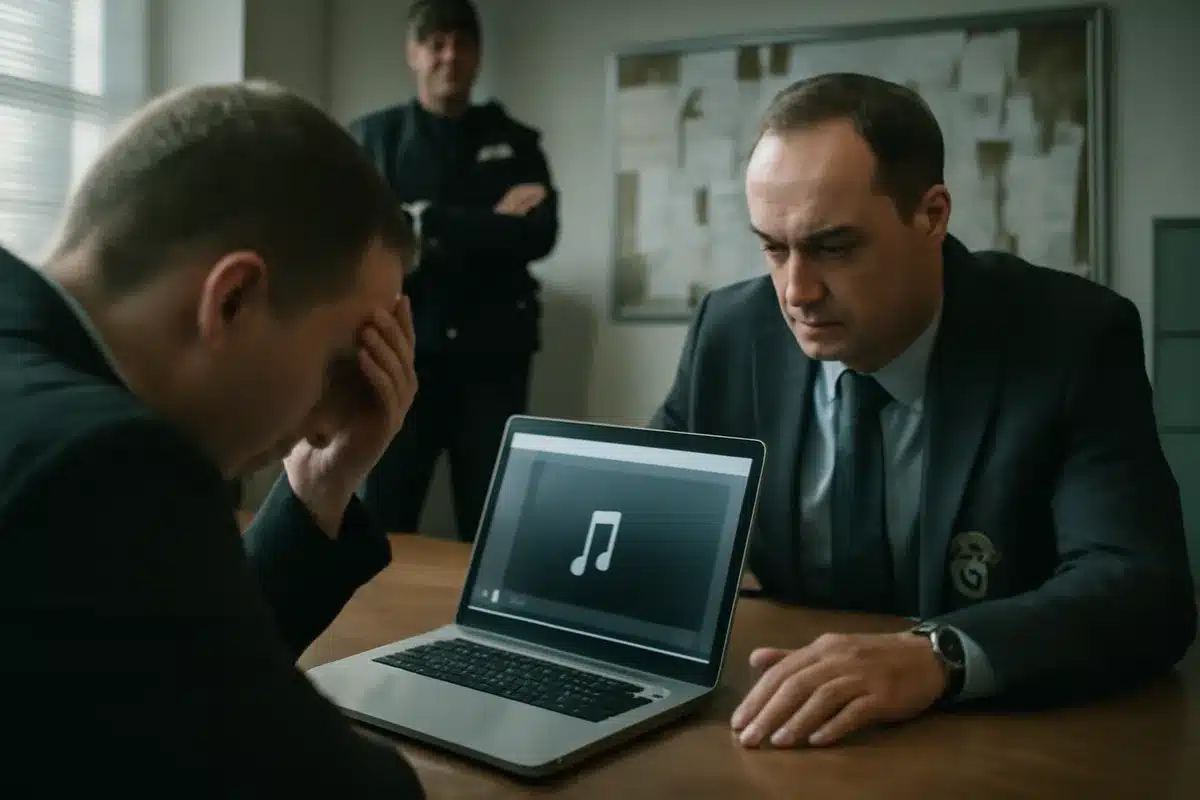
When investigators pieced together the hours before the killing, digital activity stood out. Records showed a music file was retrieved from the internet on a device linked to the accused. That timestamp became a focal point.
Nas slams music industry over disrespect: teases new music, vows to address it
1992 vocal performances: 3 jaw-dropping moments that still amaze
- Investigators relied on server logs to map when the download occurred.
- Forensic analysts examined the device for playback history and related metadata.
- Prosecutors argued the timing aligned with other actions allegedly taken by the defendant.
Timeline shown to the jury: minutes and hours matter
Prosecutors presented a timeline that placed the download within a narrow window before the death was discovered. They combined phone records, smart-home logs, and the download entry to build a minute-by-minute sequence.
Key points prosecutors highlighted
- Time of the download as shown in server and device logs.
- Subsequent movements captured by location data.
- Times witnesses reported hearing or seeing unusual activity.
Why the song itself was played in court
Playing the track was a strategic move. The prosecution wanted jurors to hear what prosecutors claim the defendant accessed shortly before the fatal incident.
Officials said the audio bolstered the narrative that the defendant was engaged in routine or unusual behavior at a specific moment.
Defense pushback: alternate explanations and doubts
The defense offered several responses aimed at undermining the download’s significance. Their lawyers said digital records can be incomplete or misleading.
- Files can be downloaded by others with access to the network.
- Timestamps can reflect server processing times, not user action.
- Playback does not equate to intent or consciousness of wrongdoing.
Expert testimony on digital forensics and reliability
Technical witnesses explained how downloads are recorded and verified. They discussed the chain of custody for digital evidence and methods used to authenticate logs.

Forensics explained in court
- How metadata ties files to devices.
- Limitations of timestamps and potential for discrepancies.
- Standard procedures for preserving digital records.
Experts cautioned jurors that digital traces require careful interpretation and that context matters.
Legal and emotional weight of sensory evidence
Playing a song in open court carries emotional power. Jurors do not only hear a piece of data; they experience it. That sensory element can shape impressions.
Both sides acknowledged the symbolic nature of the moment. The prosecution used it to humanize the sequence of events. The defense warned against letting drama replace proof.
Broader implications for trials in the digital age
The case highlights how everyday online actions can become part of legal narratives. Items once seen as mundane are now forensic clues.
- Courts increasingly rely on digital logs and media files.
- Attorneys must be ready to explain technical evidence to juries.
- Jurors face the challenge of weighing digital data alongside witness testimony.
What legal observers are watching
Observers are monitoring how juries treat blended evidence that mixes emotion and technology. The outcome may influence how prosecutors use similar material in future cases.
Defense attorneys say the case underscores the need for rigorous standards when introducing multimedia evidence. Prosecutors view it as a roadmap for connecting small digital acts to larger timelines of alleged crimes.










