Show summary Hide summary
When Nirvana stepped into a dimly lit high school gym in 1991, they were not just filming a clip. They were crafting a cultural flashpoint that would redefine rock music and the music video itself. Shot fast and on a shoestring, that two-day production transformed a fledgling grunge band into a global phenomenon.
How a Low-Budget Shoot Became a Cultural Strike
The video for “Smells Like Teen Spirit” was filmed for a small sum by today’s standards. The band and their team worked within tight limits. Still, the result was immediate, raw, and unmistakable.
Crystal Lake review: Linda Cardellini’s Peacock series is the best Friday the 13th property yet
Smashing Pumpkins reunite with legendary 90s producer Butch Vig on new Hunger Games track
- Director: Samuel Bayer, a commercial director making his first foray into music videos.
- Location: A rented high school gym that matched the song’s school-rage themes.
- Budget: Widely reported to be under $50,000, a modest amount for a landmark video.
- Shoot length: Two principal days of filming, plus a tight post-production schedule.
The Visual Formula That Resonated
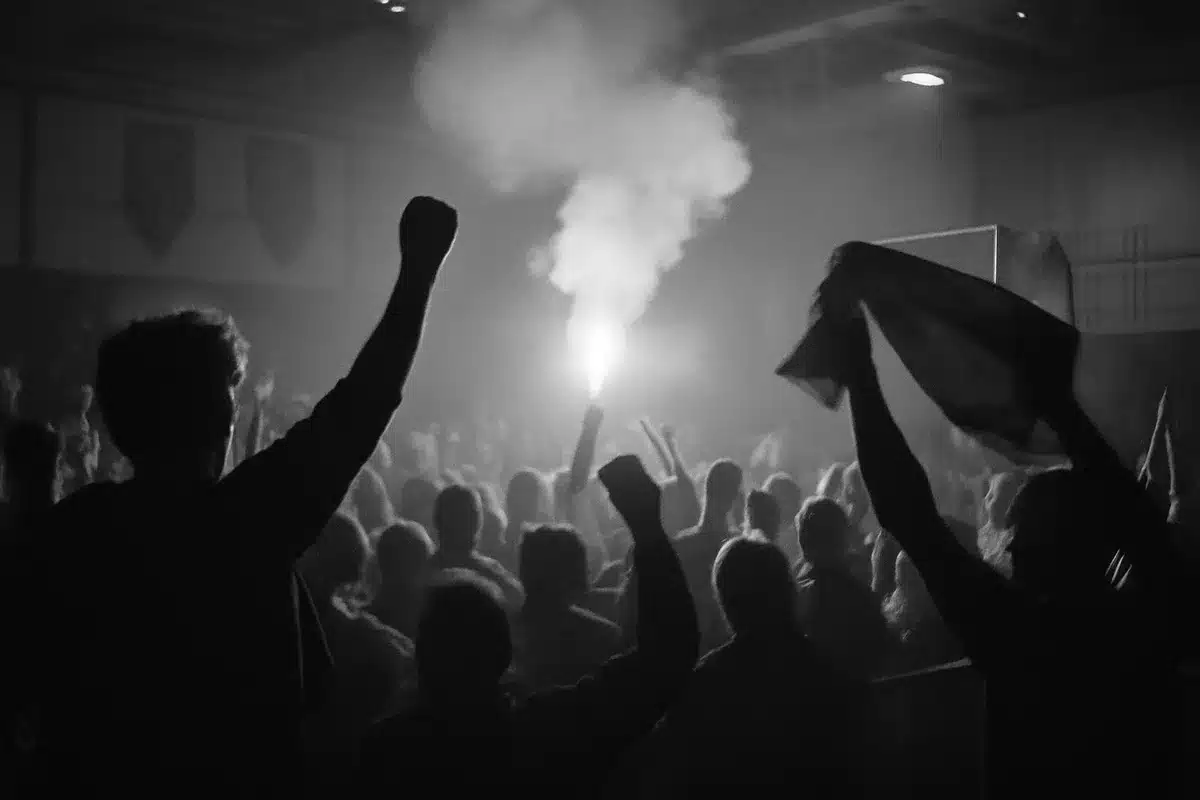
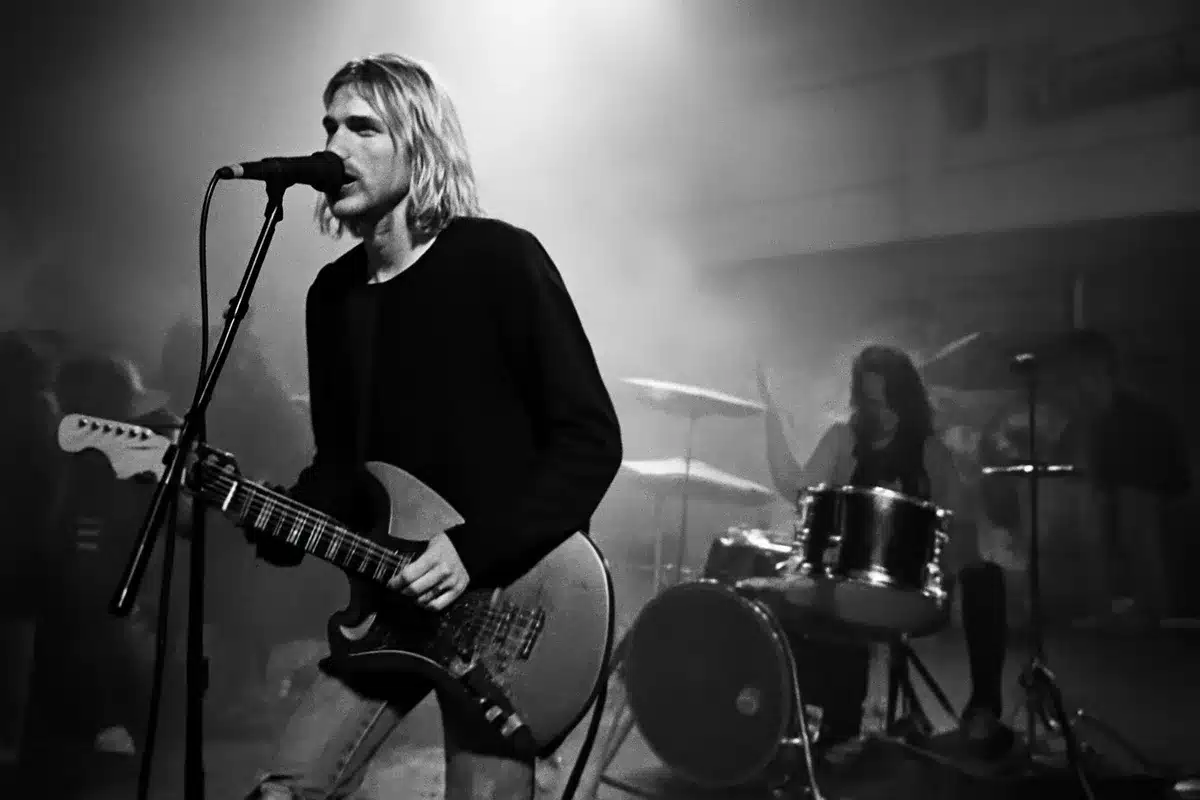
Bayer brought a cinematic eye and a penchant for stark contrasts. He dialed up gritty lighting and grainy film stock. The band performed in a sea of chaotic fans.
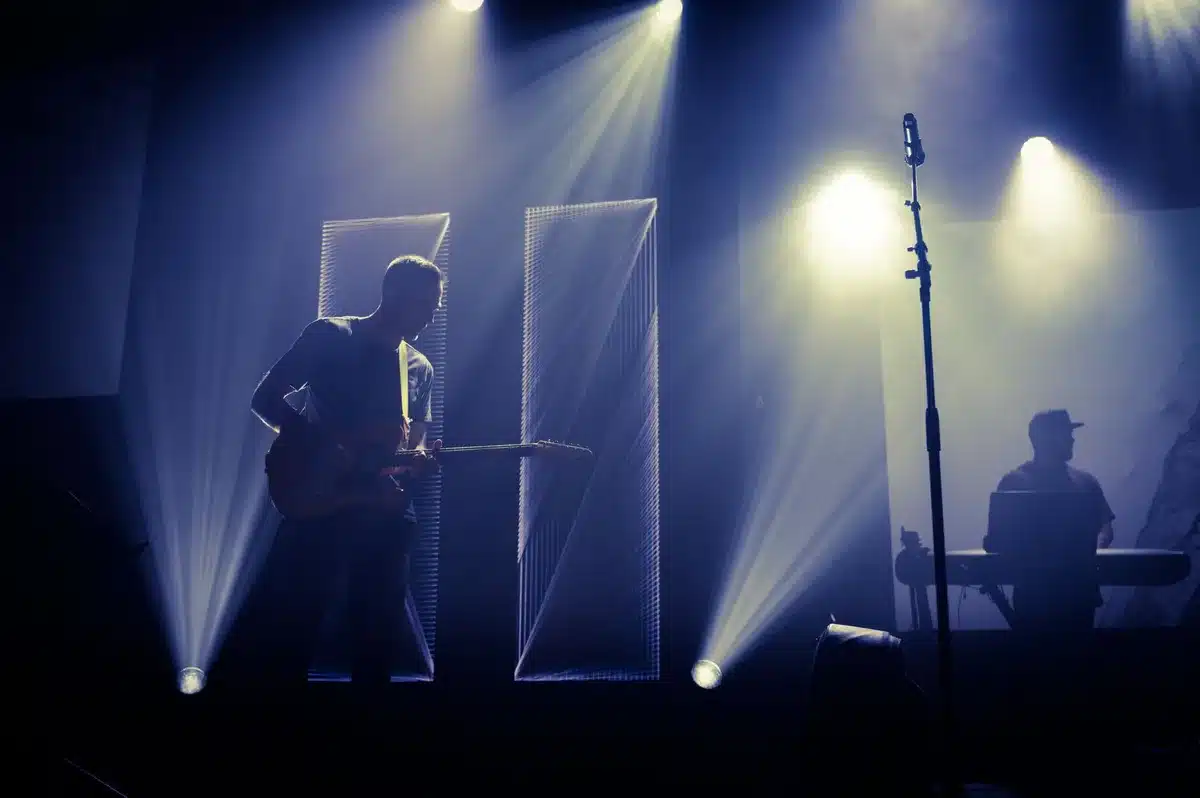
Camera work emphasized close-ups of Kurt Cobain and wide shots of an anarchic crowd. The choreography felt spontaneous. It reflected the song’s energy and the era’s restlessness.
Key stylistic choices
- Deliberate grain and muted color palettes to evoke punk authenticity.
- Slow-motion intercuts to heighten emotional beats.
- Use of everyday props—cheerleaders, flares, and school banners—to juxtapose order and revolt.
Behind the Scenes: Fast, Focused, and Intense
The production moved quickly. Scheduling and budget forced decisions that became part of the video’s identity. Many of the aesthetic choices were born of necessity.
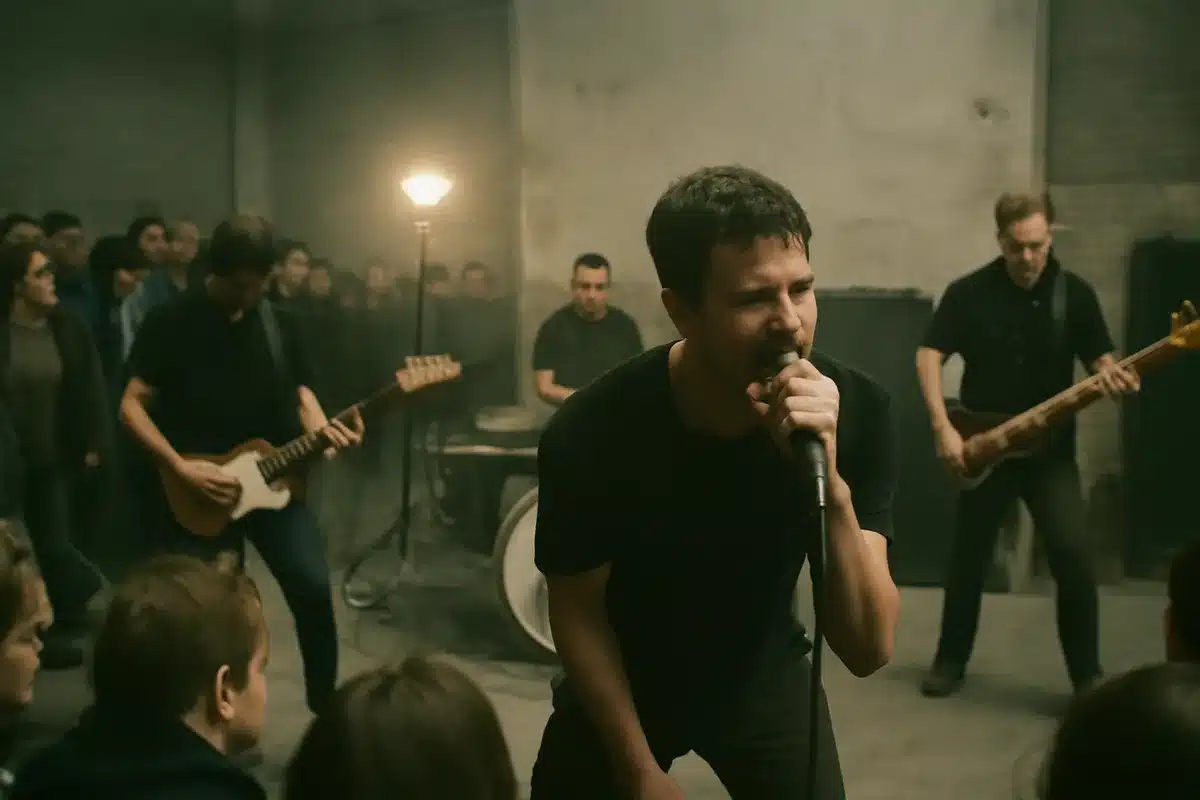
Band members preferred minimal staging. Extras were real fans in many shots. That rawness translated into an uncompromising viewing experience.
Practical constraints that shaped art
- Limited takes due to time and money pressures.
- Improvised staging where props or set dressing were unavailable.
- On-the-fly lighting adjustments to suit the grainy film look.
Immediate Reaction and Commercial Breakthrough
When MTV started playing the video, the effect was swift. The song rose up the charts. The image of a flannel-clad generation spread across TV screens worldwide.
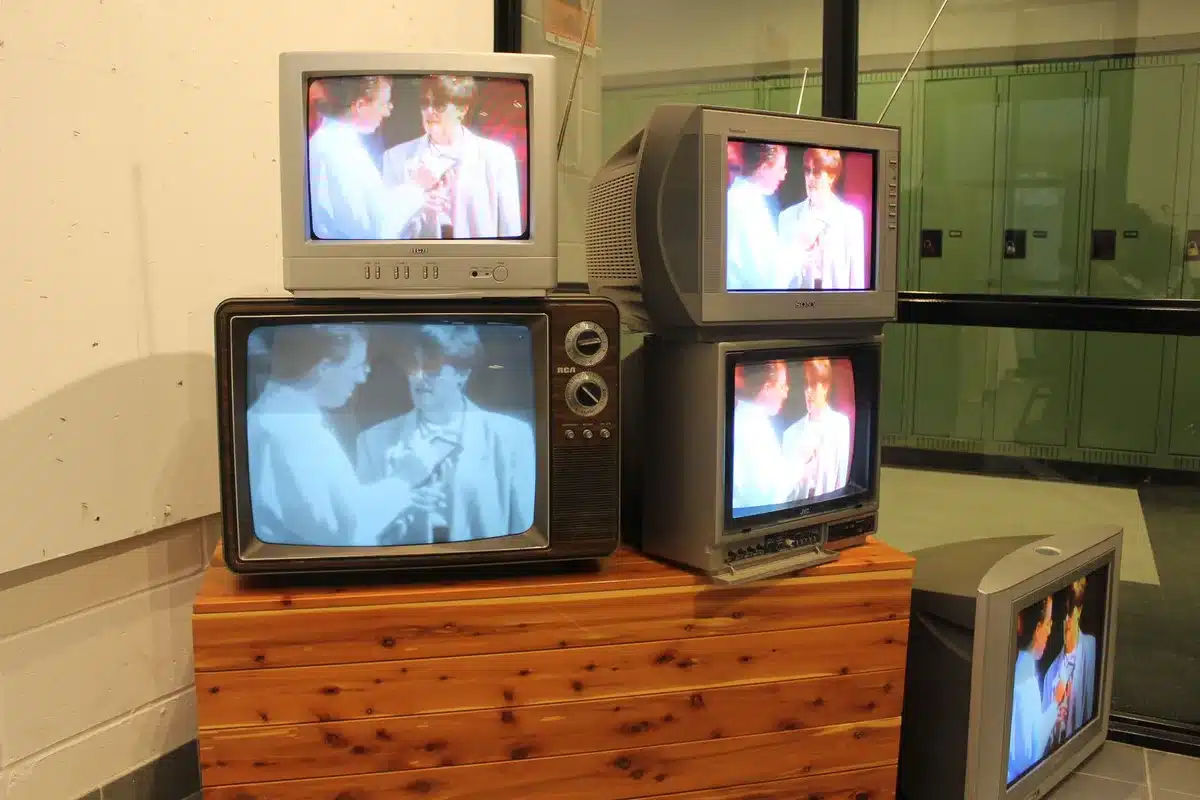
The video turned Nirvana into mainstream stars almost overnight. Its circulation was relentless across music media.
Why the Video Still Matters in 2026
Decades later, the clip remains a touchstone. It is studied in film classes and referenced in pop culture. New artists cite it as inspiration.
- It altered expectations for authentic, DIY aesthetics in music videos.
- It showed that strong visuals could amplify a song’s cultural message.
- It proved a modest budget could yield massive cultural impact.
The Lasting Image of a Moment
Few music videos have matched the intensity of that gym performance. The visual shorthand—angry crowd, smeared lighting, a band on the brink—became iconic.
Nirvana’s low-cost video proved that timing, vision, and raw emotion can outweigh lavish spending. The clip’s influence stretches across genres and generations.