

Show summary Hide summary
- How the album stirred debate about AI and artistry
- Tyga’s public response and the now-famous line
- How critics and publications reacted
- Fan response and social media fallout
- Industry implications: rights, transparency, and the future of music
- Where this leaves Tyga and similar artists
- Expert voices on creativity versus automation
- Timeline: key moments since the album dropped
When controversy met creativity, Tyga answered with a blunt message to critics and the music press. The rapper found himself at the center of a storm after releasing an album that leaned on AI tools. Instead of backing down, he fired back publicly, challenging the legitimacy of some reviews and defending his artistic choices.
How the album stirred debate about AI and artistry
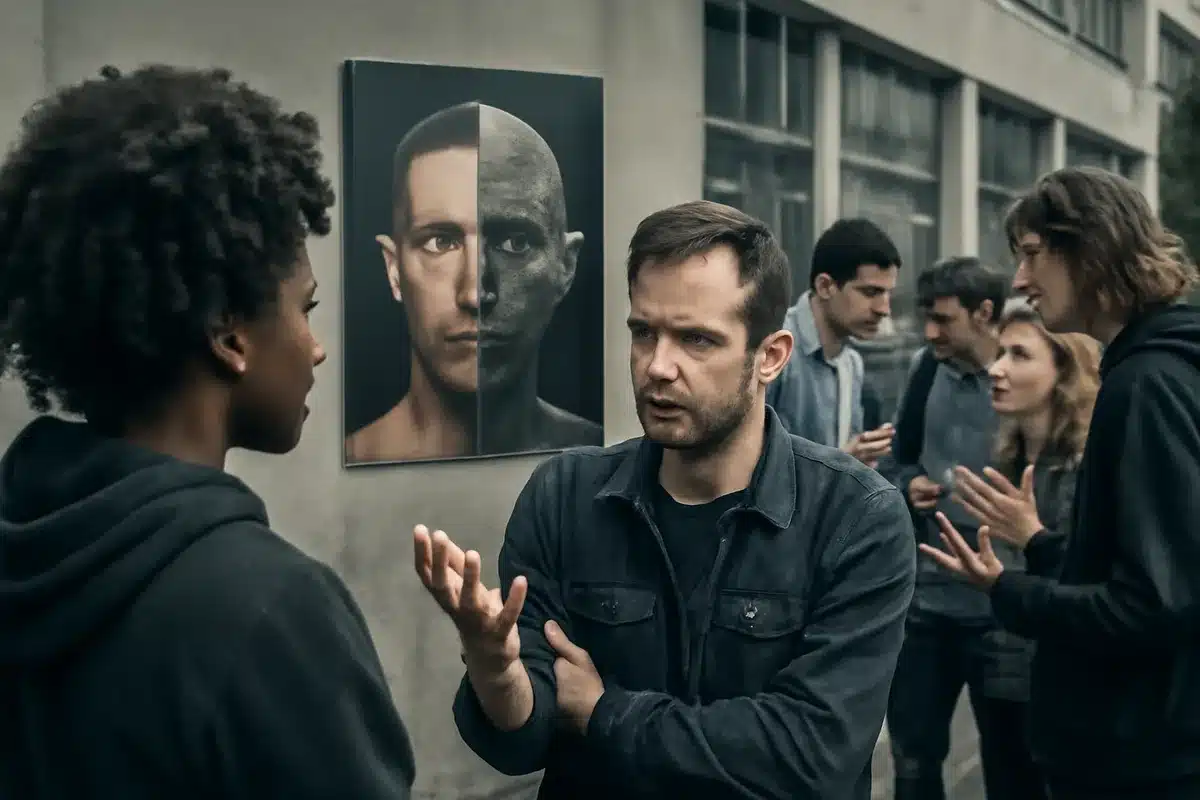
The record’s use of AI elements blurred lines between human and machine-made work. That sparked heated conversations across social media and music forums.
Nas slams music industry over disrespect: teases new music, vows to address it
1992 vocal performances: 3 jaw-dropping moments that still amaze
- Some listeners praised the sound and innovation.
- Others accused him of cutting corners with technology.
- Industry observers weighed in on authenticity and creative credit.
Tyga’s public response and the now-famous line
Rather than issue a quiet statement, Tyga confronted his critics head-on. On social platforms and in interviews, he pushed back hard.
“I don’t know what Pitchfork is,” he said, dismissing the authority of certain outlets. The remark quickly circulated, fueling headlines and debates.
What his comeback signals
- He framed criticism as a generational gap in understanding new tools.
- His tone mixed defiance with a call for artistic freedom.
- Fans and detractors parsed whether this was bravado or a real defense.
How critics and publications reacted
Reviews ranged from scathing to cautiously curious. Some outlets focused on ethics and originality. Others evaluated the music on its own merits.
- Traditional critics questioned the role of AI in songwriting.
- Tech-aware reviewers highlighted production value and experimentation.
- Commentators debated whether AI should get credit alongside human creators.
Fan response and social media fallout
Reaction online was immediate and loud. Supporters defended Tyga. Skeptics shared clips and critiques that amplified controversy.

- Hashtags trended, with fans sharing favorite tracks.
- Others posted comparisons and alleged evidence of heavy AI use.
- Streaming numbers spiked as curiosity drove listeners to the album.
Industry implications: rights, transparency, and the future of music
The episode reopened questions about copyright, credits, and the role of algorithms in songwriting. Labels and artists are now under pressure to set clearer rules.
- Who owns a melody suggested by AI?
- How should songwriters be credited when tools assist composition?
- Will platforms demand disclosure of AI involvement?
Statements from music professionals
- Lawyers say licensing agreements may need updates.
- Producers call for guidelines to protect creativity and revenue.
- Streaming services are watching engagement metrics tied to AI tracks.
Where this leaves Tyga and similar artists
For Tyga, the backlash doubled as publicity and a test case for artists using new tech. His stance could influence peers weighing similar creative choices.
- Some artists may embrace AI openly.
- Others might hide its role to avoid scrutiny.
- Industry standards could push transparency into contracts and credits.
Expert voices on creativity versus automation
Music scholars, producers, and tech experts offered divergent views. The conversation touched on aesthetics, labor, and the future of songwriting.
- One camp sees AI as a tool, like a synth or plugin.
- Another fears it could devalue human craft over time.
- Many call for balanced regulation to protect creators and innovation.
Timeline: key moments since the album dropped
- Album released with disclosed AI elements.
- Critics published mixed reviews and think pieces.
- Tyga publicly answered critics, questioning certain outlets.
- Streaming and social engagement surged as conversations grew.
- Industry stakeholders began discussing policy and credit rules.










