

Show summary Hide summary
- Mayor Mamdani’s disclosure: the exact figure revealed
- What that amount typically covers for celebrity events
- Public reaction and social media discussion
- Legal and policy context: who pays and why it matters
- Implications for future celebrity events and city planning
- What to watch next as the story unfolds
Taylor Swift‘s wedding expenses have become a public talking point after New York City’s mayor, Mamdani, publicly confirmed the artist covered a specific sum for security services. The figure has stirred debate across social platforms, prompting questions about how high-profile events are financed and what role municipalities play in safety planning.
Mayor Mamdani‘s disclosure: the exact figure revealed
At a recent press briefing, Mayor Mamdani stated that Taylor Swift paid $1.4 million to cover security costs tied to her wedding. Officials framed the payment as a private arrangement with law enforcement and private contractors. The mayor highlighted transparency in reporting totals to city residents.
KATSEYE postpones another concert: illness details remain undisclosed
Cupertino: a stylish legal drama packed with tech twists
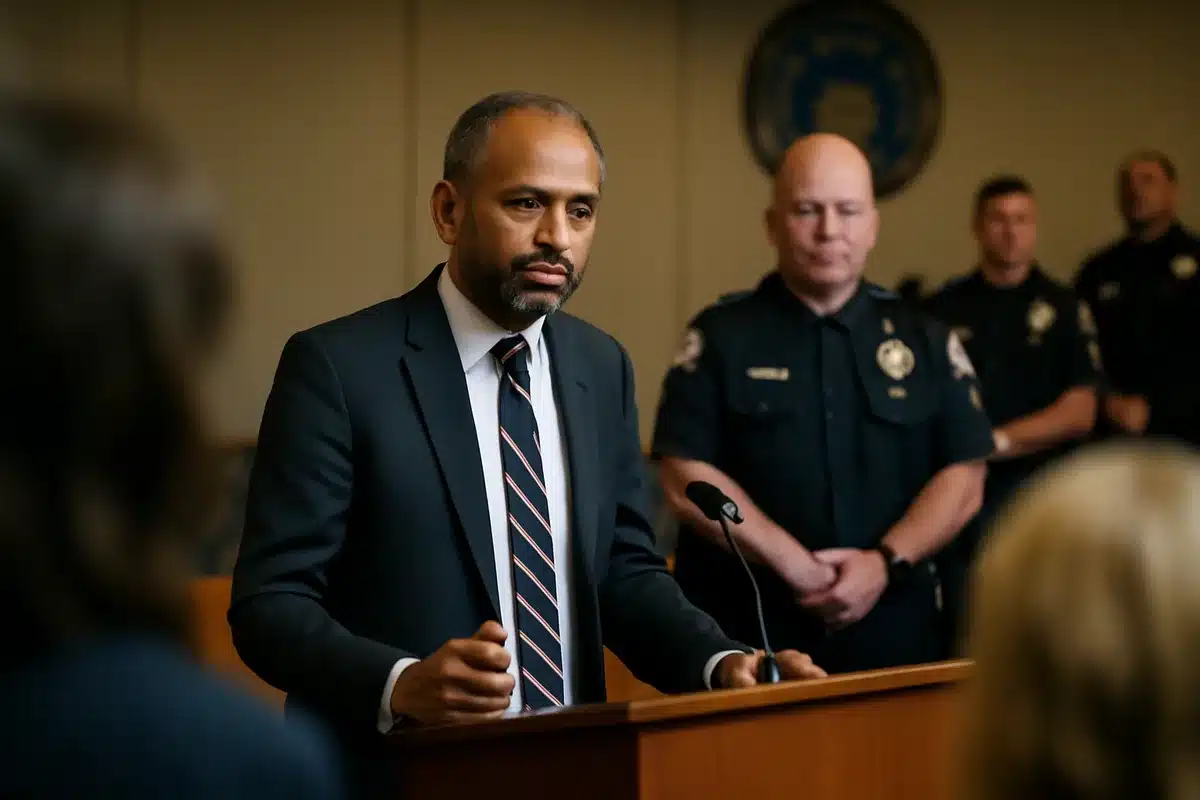
How the number was presented
- Mamdani cited itemized invoices provided by agencies.
- City officials confirmed the payment offset expenses for overtime and special units.
- The mayor said the sum reflects direct security-related costs, not ancillary event spending.
What that amount typically covers for celebrity events
Security bills for high-profile weddings bundle many services. The $1.4 million figure aligns with a mix of public and private expenditures.

- Overtime for police officers: extended shifts and specialized units.
- Private security teams: close protection and venue control.
- Equipment and logistics: surveillance, barricades, screening checkpoints.
- Transportation security: secure motorcades and route sweeps.
Public reaction and social media discussion
News of the payment sparked a wide range of reactions online. Some praised the move as responsible. Others questioned fairness and precedent.

- Supporters argued celebrities paying for protection reduces taxpayer burden.
- Critics expressed concern about private events requiring heavy public resource coordination.
- Many users debated whether the amount was reasonable for risk mitigation.
Legal and policy context: who pays and why it matters
Municipal rules differ on covering security for private gatherings. In many places, cities require event organizers to reimburse public safety costs.
- Permitting processes often include security cost estimates.
- Reimbursement can be mandatory when public officers are needed.
- High-profile guests typically raise security levels and costs.
Transparency and public trust
Officials argue transparency about payments helps maintain trust. Publishing totals can clarify when private funds offset public duties.
Implications for future celebrity events and city planning
This disclosure may influence how promoters and cities negotiate security for large private events. Expect closer scrutiny of cost-sharing agreements.
- Event organizers may face higher upfront invoices for projected security needs.
- Cities could refine policies to avoid ambiguous billing or hidden subsidies.
- Public debate may push for clearer rules on when and how private paybacks occur.
What to watch next as the story unfolds
Follow-up reporting is likely to probe invoices and vendor roles. Lawmakers may request deeper audits. Social media will continue to shape public opinion.
Officials have promised additional details as agencies complete reviews. Citizens and industry observers will be watching how policy adapts to high-cost, high-profile gatherings.










