
Show summary Hide summary
- What Robbie Williams revealed and why it stood out
- How this fits into his long public story
- What an adult autism diagnosis typically means
- Practical supports and adjustments after diagnosis
- How fans and media reacted
- What clinicians want the public to understand
- Why this moment matters for neurodiversity awareness
Robbie Williams has said he was told he has “a little bit of autism,” a revelation that has reopened conversations about adult diagnosis and neurodiversity. The pop star’s comment adds a public face to a topic that affects millions and highlights how understanding can emerge at any age.
What Robbie Williams revealed and why it stood out
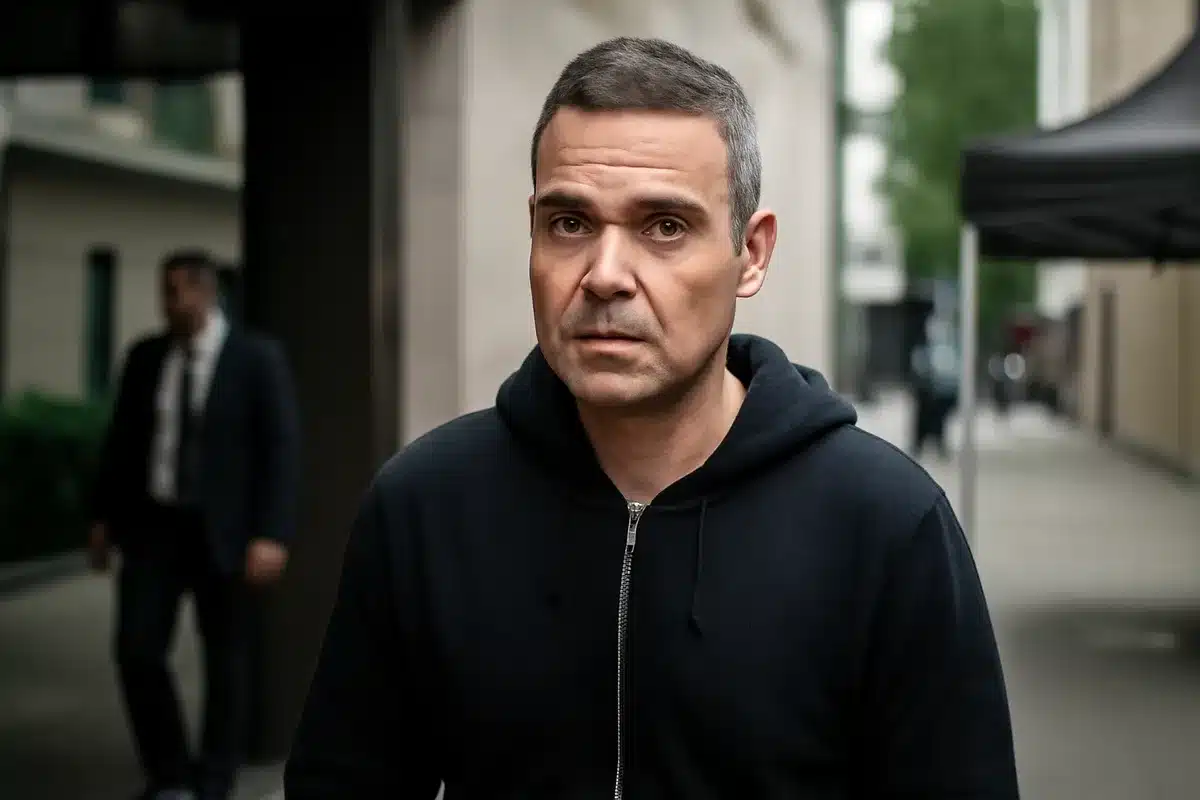
Robbie Williams, the British singer known for his dynamic stagecraft, recently shared that clinicians have described him as having “a little bit of autism.” He framed the diagnosis in informal terms, prompting headlines and widespread interest. The brief admission matters because it shows how high-profile figures can influence public understanding of neurodiversity.
The announcement was concise and personal. It did not include clinical details or treatment plans. But even a short statement from a celebrity can spark curiosity, reduce stigma, and encourage others to seek assessment.
Nas slams music industry over disrespect: teases new music, vows to address it
1992 vocal performances: 3 jaw-dropping moments that still amaze
How this fits into his long public story
Williams has long been open about struggles with mental health and addiction. That history has informed how fans and commentators interpret new revelations about his wellbeing.
– He rose to fame with Take That and later secured a solo career.
– He has discussed therapy and rehabilitation in the past.
– This autism disclosure adds another dimension to his public narrative.
The news prompted many to revisit his interviews and performances through the lens of neurodiversity. People often reframe past behavior after a new diagnosis. That can be helpful — and sometimes reductive — which is why context matters.
What an adult autism diagnosis typically means
Getting an autism diagnosis in adulthood can be a complex process. It often follows years of self-reflection, clinical evaluation, and input from family or partners.
Typical aspects include:
- Recognition of lifelong traits such as sensory sensitivities or social differences.
- Coexisting conditions, like anxiety or attention challenges.
- A shift in identity and access to appropriate support.
Why some people are diagnosed late
Many adults go undiagnosed because symptoms were misunderstood or overlooked in childhood. Diagnostic criteria, awareness, and services have evolved. For public figures, late diagnoses can clarify decades of private coping.
Receiving a label does not define a person. It can explain patterns and open doors to targeted strategies.

Practical supports and adjustments after diagnosis
A diagnosis often leads to practical changes in daily life and work. Professionals tend to recommend a combination of approaches.
Common supports include:
- Individual therapy focused on social skills and emotional regulation.
- Occupational therapy for sensory and routine management.
- Workplace adjustments to reduce sensory overload and increase focus.
- Peer networks and advocacy groups for shared experience and resources.
These measures can help celebrities and non-celebrities alike function more comfortably in demanding public roles.

How fans and media reacted
Responses ranged from supportive to inquisitive. Many fans praised Williams for his candor. Others used the moment to discuss broader issues around diagnosis, access to care, and the language used to describe neurodiversity.
– Social platforms saw a spike in searches for “Robbie Williams autism” and “adult autism diagnosis.”
– Mental health advocates highlighted the importance of respectful conversation.
– Clinicians urged the public to avoid jumping to conclusions based on media snippets.
The exchange underscores a key point: celebrity disclosures can educate but may also oversimplify complex clinical realities.
What clinicians want the public to understand
Health professionals emphasize measured, factual responses when a public figure mentions a diagnosis.
Key messages they share:
- A short statement does not replace a full clinical assessment.
- Autism exists on a broad spectrum with varied presentations.
- Support is highly individualized and should be guided by professionals.
Accurate information and empathy help reduce stigma and support those weighing whether to seek evaluation.
Why this moment matters for neurodiversity awareness
When well-known personalities speak about diagnoses, they can normalize conversations that many find difficult. The ripple effects include more searches, more questions, and potentially more people seeking help.
– Increased public attention can drive policy and funding shifts.
– Awareness encourages employers to consider accommodations.
– It can also spur better media practices around reporting on mental health.
The story is part of a larger trend: celebrities increasingly shape how society understands complex health issues.










