
Show summary Hide summary
- Why Rapsody says hip-hop coverage is broken
- From print to click: how interview platforms rose
- Who are DJ Vlad and No Jumper, and why they’re mentioned
- Artists’ responses and the growing unease
- How attention economics reshaped music journalism
- Calls for a more thoughtful hip-hop media landscape
- Examples of constructive interview approaches
- What industry stakeholders can do now
- New models and experiments gaining traction
- The cultural stakes behind media criticism
Rapsody has publicly criticized how hip-hop is covered today, arguing the conversation has been handed to platforms that favor spectacle over substance. Her remarks landed during a recent interview and reignited debate about who controls the narrative in rap culture. Artists, fans, and industry observers are now rethinking the role of modern outlets in shaping careers and controversies.
Why Rapsody says hip-hop coverage is broken
Rapsody pointed to a shift in media influence from traditional outlets to digital interview channels. She suggested that the people now driving headlines often prioritize shock value. That, she warned, undermines the art and the artists behind it.
Nas slams music industry over disrespect: teases new music, vows to address it
1992 vocal performances: 3 jaw-dropping moments that still amaze
“We’ve given it to the wrong people,” she stated, highlighting a broader frustration among creators. Her critique drew attention because it came from an established MC known for thoughtful lyricism.
From print to click: how interview platforms rose
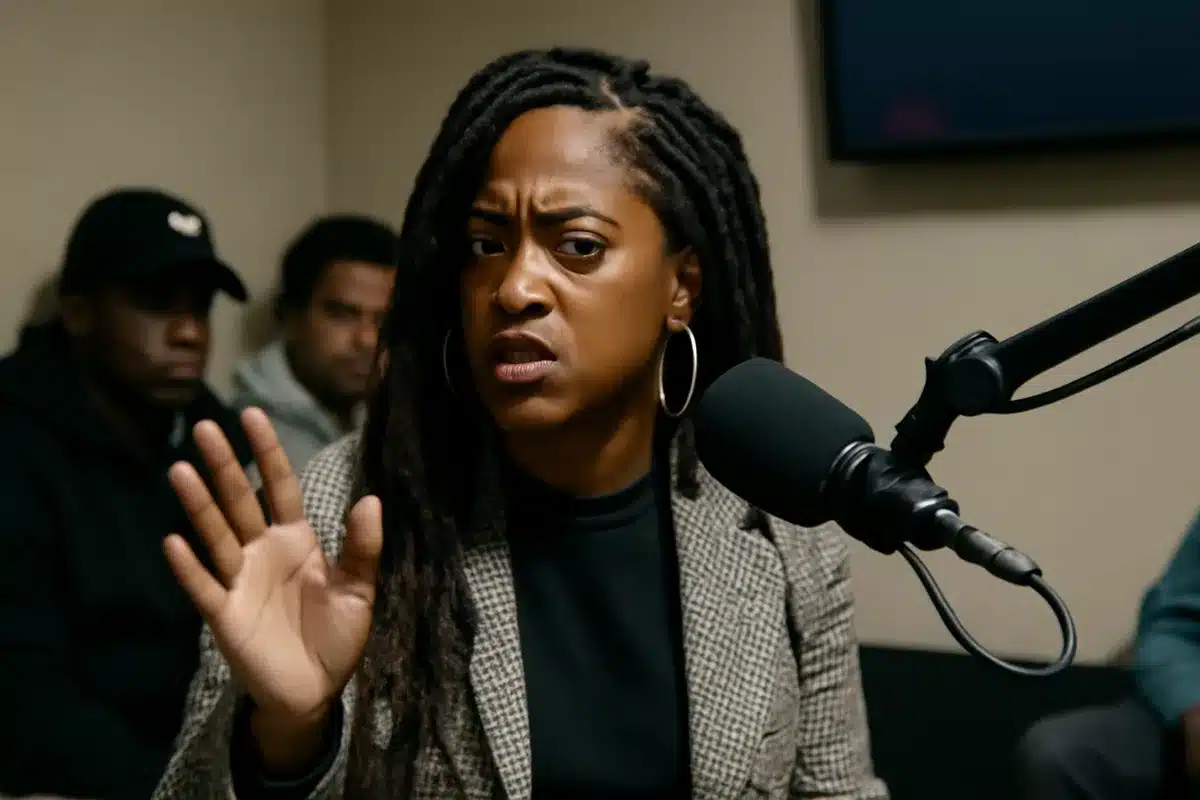
Hip-hop journalism once centered on magazines, radio, and TV. Over the past decade, YouTube and podcast hosts gained massive reach.
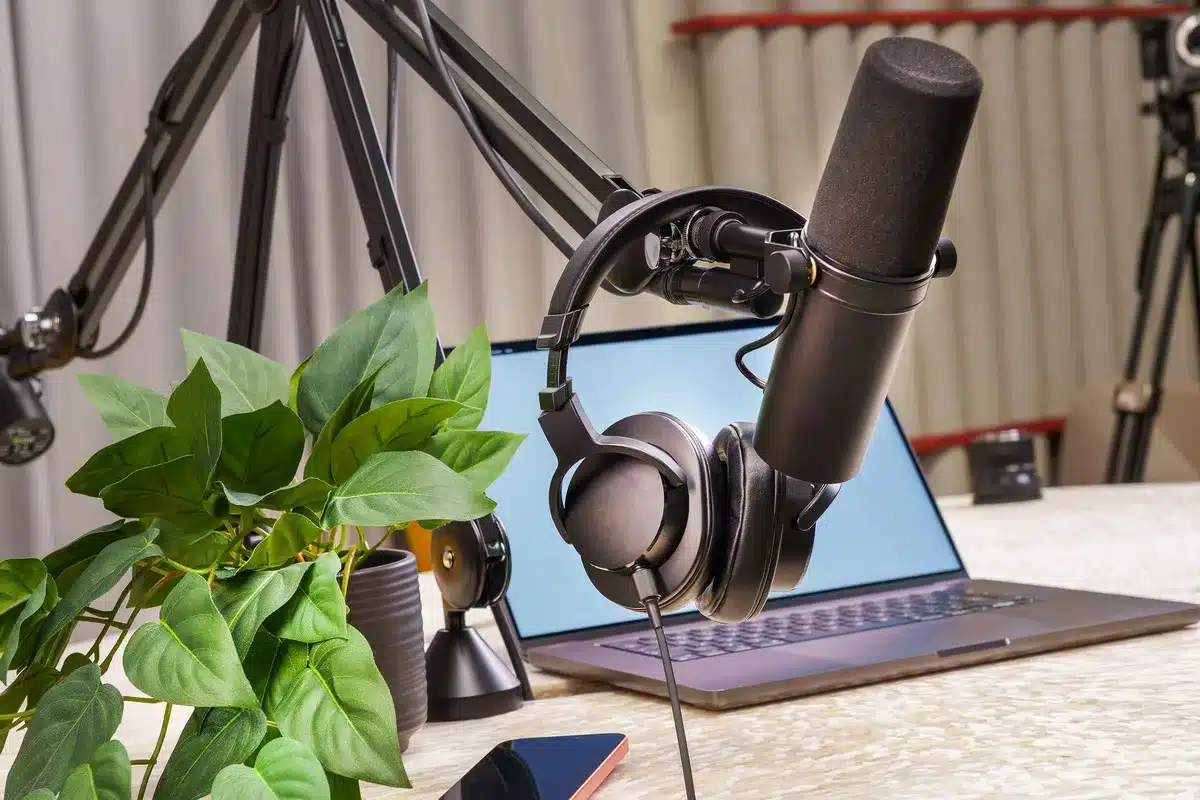
- Visual platforms reward engagement and blunt moments.
- Hosts who build controversy often attract views faster.
- Independent creators now influence public perception quickly.
This ecosystem favors loud exchanges and rapid consumption. It also promotes personalities who can command attention, not necessarily those who can contextualize history.
Who are DJ Vlad and No Jumper, and why they’re mentioned
DJ Vlad and No Jumper represent two of the most visible interview-host brands in hip-hop media. Both have built audiences by booking artists and figures central to current rap conversations.
- DJ Vlad carved a niche with probing, long-form video interviews.
- No Jumper grew by spotlighting underground and viral talent.
- Both benefit from direct-to-audience formats and social sharing.
Rapsody’s comments did not only single them out. She used them as examples of a broader trend that places influence in the hands of creators who may pursue sensationalism.
Artists’ responses and the growing unease
Other musicians have echoed similar concerns. Some worry that the quest for virality compounds misunderstandings. Interviews edited for drama can distort intent.
Common artist complaints include:
- Misrepresentation through selective clips.
- Pressure to perform conflict for content.
- Lack of contextual or historical depth in conversations.
For many, the issue is not the platform itself. It is the way the platform’s incentives shape the behavior of hosts and guests.
How attention economics reshaped music journalism
The monetization of clicks and streams changed editorial priorities. Algorithms reward engagement. Engagement often follows friction. That creates an environment where combative or scandal-driven content thrives.

Key dynamics at play:
- Short clips circulate faster than long analyses.
- Controversy drives comments, views, and ad revenue.
- Smaller creators can outcompete legacy outlets on immediacy.
Impact on careers and public perception
Artists can gain exposure quickly. But they also risk being defined by a viral exchange rather than a body of work. This can affect booking opportunities, record deals, and fan relations.
Calls for a more thoughtful hip-hop media landscape
Rapsody’s critique prompted suggestions for repair from peers and commentators. Many proposed practical steps to rebalance the discourse.
- Support for platforms that prioritize long-form context.
- Media literacy efforts for fans and creators.
- Transparent editing practices and codes of conduct.
Artists urged industry figures to reclaim narrative control by engaging with outlets that respect depth and history.
Examples of constructive interview approaches
Some journalists and podcasters still emphasize analysis and nuance. These formats often include background, full-length conversations, and follow-up reporting.
- Long-form interviews that preserve full answers.
- Feature pieces that connect new music to cultural context.
- Roundtable discussions with historians and practitioners.
These methods tend to build lasting credibility and foster educated audiences.
What industry stakeholders can do now
Managers, labels, and promoters can influence media dynamics through choices. They control booking, press strategy, and promotional priorities.
- Choose interviews that align with narrative goals.
- Encourage comprehensive media prep for artists.
- Invest in outlets that value depth over spectacle.
Such shifts may help rebalance incentives and reward better coverage.
New models and experiments gaining traction
Emerging media ventures try to merge reach with rigor. Some combine concise clips for discovery with full-length archives for context.
- Hybrid platforms post short highlights plus full interviews.
- Subscription models fund investigative music journalism.
- Collectives of creators pledge ethical interview standards.
These innovations suggest alternate routes to visibility that do not sacrifice nuance.
The cultural stakes behind media criticism
At its core, the debate is about who tells hip-hop’s story. That narrative shapes how audiences remember artists and movements.
Rapsody’s rebuke is a call to protect the genre’s integrity. It asks fans and professionals to demand better conversations.










