
Show summary Hide summary
- Locked indoors: the film’s premise and early shocks
- Why the house is sealed: who — or what — controls the rain?
- How the family survives five years inside
- The climax and escape: mercy that opens the door
- Unanswered logic and narrative gaps
- Environmental subtext and real-world echoes
- Cast, crew details, and where to watch
Netflix’s The Last House lands like a fever dream of lockdown horror. It blends domestic dread with mythic sea monsters. The film keeps oscillating between grim family drama and surreal cosmic threat.
Locked indoors: the film’s premise and early shocks
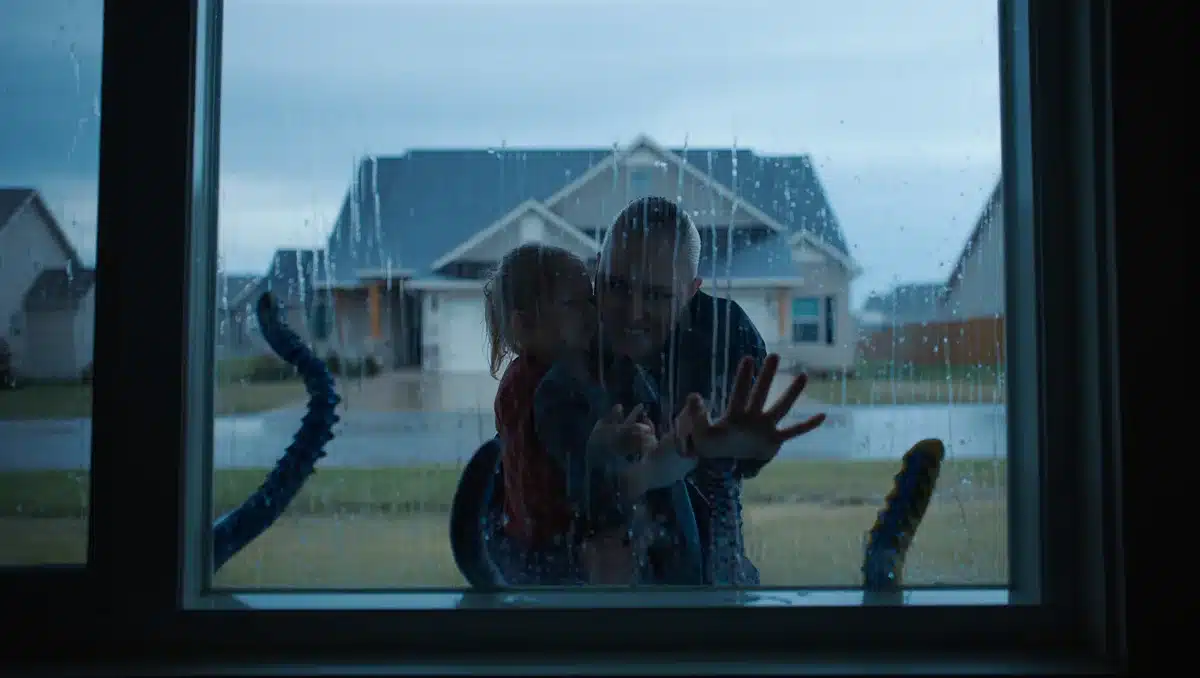
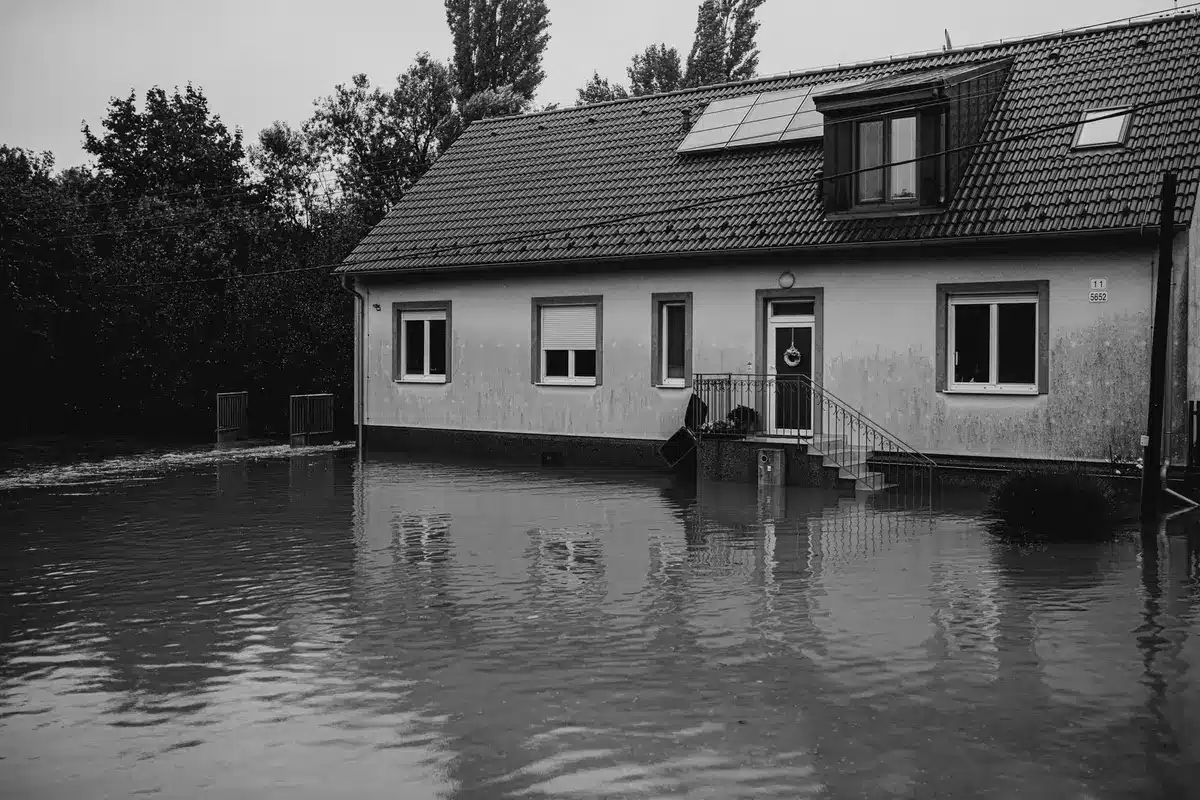
The movie opens in Seattle. A suburban block becomes a sealed cul-de-sac overnight. Rain pours, and doors and windows jam with fast-moving, tentacle-like water.
Nas slams music industry over disrespect: teases new music, vows to address it
1992 vocal performances: 3 jaw-dropping moments that still amaze
Ann (Greta Lee) and Jason (Wagner Moura) find themselves stuck with their children Ruth and Graham. At first, the threat feels procedural. Neighbors quarrel. Theories fly.
First weeks: routine turned terrifying
- Homeschooling replaces school runs. DVDs and small comforts repeat until they fray.
- Food runs short. The family turns to desperate measures to survive.
- A beloved Golden Retriever, Cassidy, is put down and frozen for later sustenance.
The film leans into domestic cruelty. Simple acts of improvisation, like chimney fishing and makeshift animal traps, become grim necessities.
Why the house is sealed: who — or what — controls the rain?
Neighbors first suspect authorities or aliens. The reality is stranger. The aggressors resemble deep-sea beasts. Think tentacled leviathans, not towering cosmic deities.
Ruth, who narrates much of the story, insists these creatures are not invaders but ancient ocean life. She argues they are reclaiming their world. The film gives us no definitive origin beyond her theory.
Not all encounters are peaceful. Some creatures take people who try to escape. One even enters the house and drenches the family’s indoor crops in salt water. Their survival efforts collapse in an instant.
How the family survives five years inside
As days become months, small routines become lifelines. Jason and Ann develop grim systems to stretch limited resources.
- Water collection from rain and leaks.
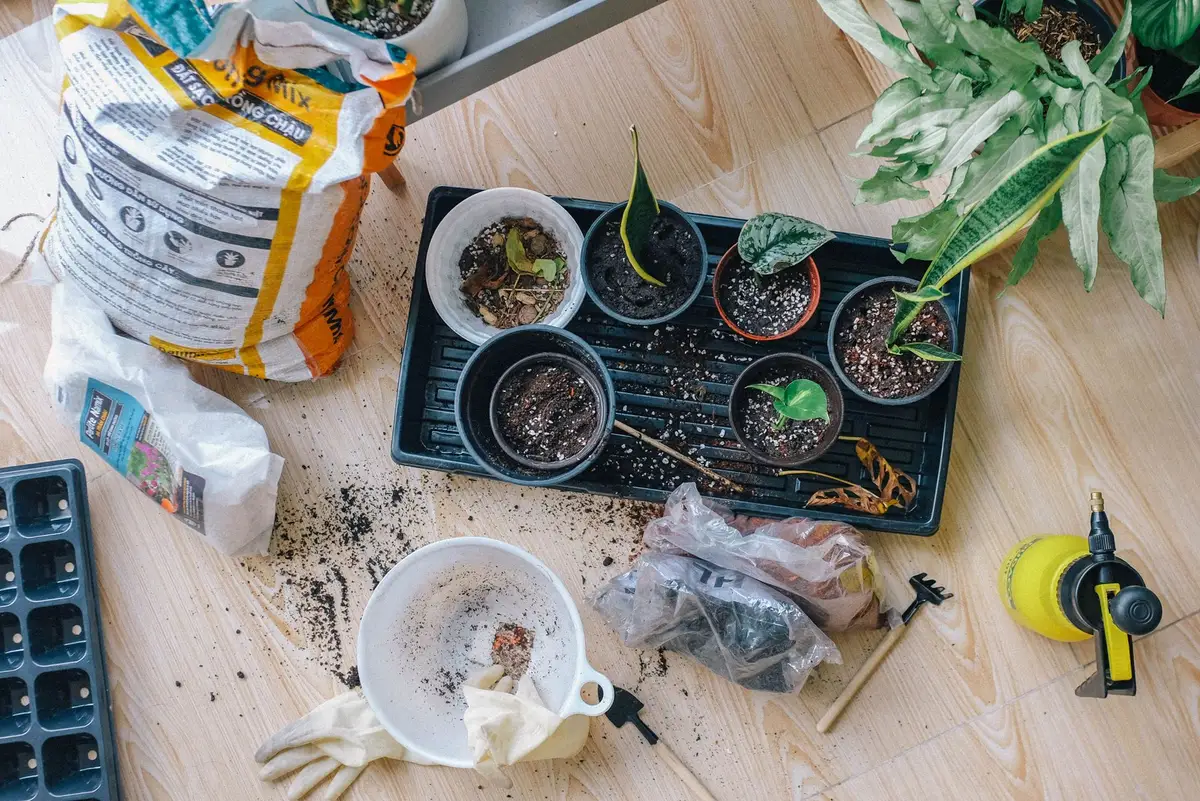
- Indoor gardening—Ann grows sizable crops in the living room.
- Traps and hunting through the chimney to supplement their diet.
- Improvised weapons: harpoons, molotovs and booby-traps to repel intruders.
Those methods keep them alive. But survival comes with moral costs. The film frequently forces characters to choose between empathy and cold practicality.
The climax and escape: mercy that opens the door
When one creature returns, the family is prepared. They set traps and aim harpoons. Jason threatens the creature with brutal intent. Ruth begs for mercy instead.
He relents. That choice is pivotal. The creature signals others. The locks loosen. The sun breaks through the rain for the first time in years.
“In the end, an act of mercy set us free,” Ruth’s adult voice says in the film’s final scenes. As they step outside, five creatures glide away in formation across a submerged city.
The Space Needle sits amid water like a dock. The family takes a ruined neighbor’s boat. They rename it “Cassidy” for the dog they once killed to survive, then row into open water.
Unanswered logic and narrative gaps
The Last House leans on atmosphere more than explanation. Key questions remain.
- How do these creatures truly control the rain?
- Could they target humans directly, given our high-water composition?
- How extensive is the invasion beyond the film’s Seattle setting?
The script gives only partial answers. Moments of poetic intent sit beside baffling plot choices. That imbalance leaves the movie feeling both strange and unfinished.
Environmental subtext and real-world echoes
The film hints that humanity’s impact on the ocean might have provoked retaliation. It gestures at ecological alarm without naming specifics.
The real statistics are stark:
- An estimated 130 million tons of plastic enter oceans each year.
- Microplastics infiltrate the food chain, from plankton to fish.
- The Great Pacific Garbage Patch holds hundreds of millions of kilograms of waste.
- Some projections warn there could be more plastic than fish in the ocean by 2050.
The Last House never spells out these facts. Still, its imagery of a reclaimed coast reads as an urgent, if blunt, environmental parable.
Cast, crew details, and where to watch
Directed by Louis Leterrier, the film stars Wagner Moura and Greta Lee. Child actors Riley Chung and Noah Alexander Sosnowski play the kids. The adult Ruth is voiced by Arden Cho.
Writer Matthew Robinson fuels the story with a bleak mixture of domestic drama and mythic menace.
The Last House is currently available for streaming on Netflix.










