
Show summary Hide summary
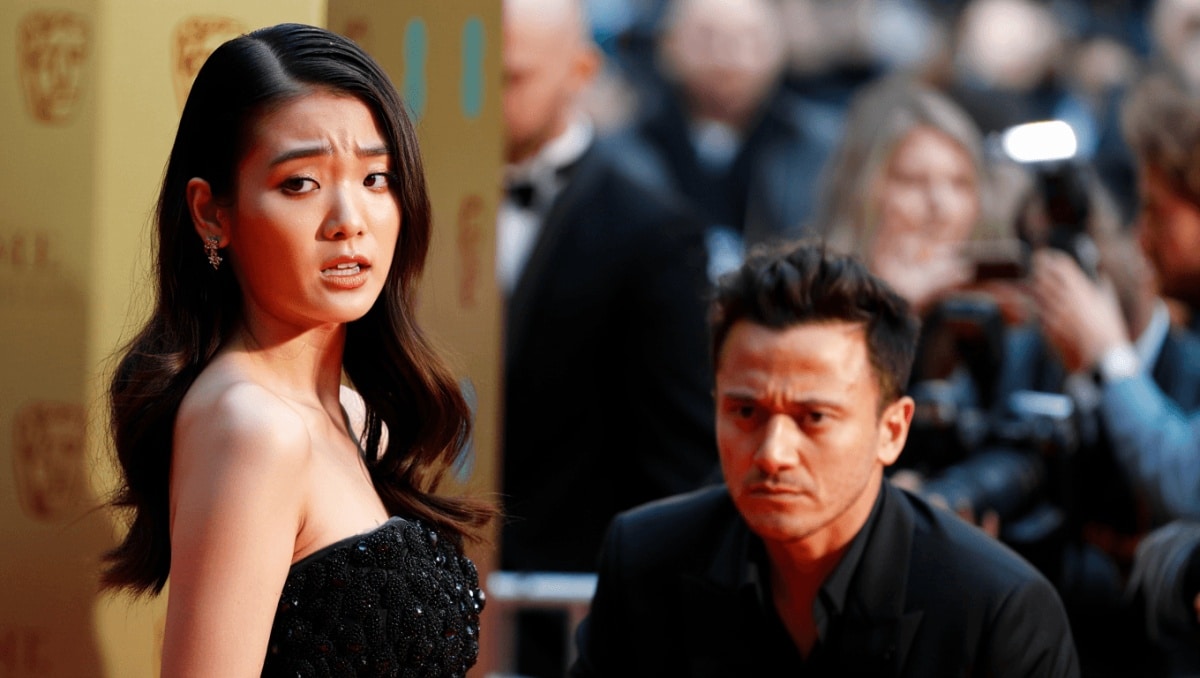
At the BAFTAs this year, KPop Demon Hunters star EJAE found herself at the center of a viral moment after an unexpected voice crack during a live performance. She later pointed to a single, uncomfortable stare from a fellow attendee as the cause, saying the other star “was not smiling” and that the locked gaze threw off her focus.
What unfolded during the BAFTAs performance
EJAE took the stage amid high expectations for a polished live show. Mid-song, viewers noticed a sudden break in her voice that contrasted with an otherwise controlled delivery. The clip spread fast online, and conversations shifted from the song itself to that brief, human moment.
Nas slams music industry over disrespect: teases new music, vows to address it
1992 vocal performances: 3 jaw-dropping moments that still amaze
Her explanation: eye contact, nerves and a terse look
In interviews after the ceremony, EJAE described how intense eye contact with a nearby star disrupted her concentration. She said she locked eyes with the person and felt the pressure rise. “He was not smiling,” she told reporters, implying that the stern expression amplified her anxiety and contributed to the vocal slip.
Why a glance can change a performance
- Live-stage pressure can spike when performers make direct eye contact with an audience member who looks serious.
- Adrenaline and sudden self-awareness affect breathing and vocal control.
- Professional singers often rely on visual cues and a calm room; a terse stare can break that rhythm.
Audience reaction and the social media fallout
Fans and commentators reacted in real time. Clips circulated on platforms where users offered sympathy, frustration, and humor. Some accounts praised EJAE’s recovery and professionalism. Others debated whether the stare deserved blame or if live TV simply brings inevitable glitches.
- Supportive fans highlighted her quick composure after the crack.
- Critics noted how low oxygen and bright stage lights commonly contribute to vocal issues.
- Many posts encouraged focusing on the overall set rather than one moment.
Industry perspective: live events and human moments
Producers, vocal coaches, and performers often remind audiences that live broadcasts are unpredictable. A technical hiccup or a fleeting emotional reaction can become a headline. Yet those same experts also view such incidents as proof that live art retains its immediacy.
Common causes of voice breaks during shows
- Dehydration or throat dryness under hot lights.
- Shifts in breathing patterns caused by stress or surprise.
- Sound-monitoring issues that force singers to overcompensate.
- External distractions, including unexpected audience behavior.
How peers and fans rallied after the moment
Support flowed from fans and fellow artists who praised EJAE for finishing the performance. Many posts emphasized resilience and the courage it takes to perform live on a global stage. The incident also sparked conversations about kindness and the effect of audience demeanor on performers’ comfort.
Takeaways for performers and spectators
- Performers should practice breathing techniques for unexpected stressors.
- Spectators can help by remaining engaged and warm, not intimidating.
- Event organizers often improve monitoring and on-stage support to reduce technical risks.
What this moment means for EJAE and KPop Demon Hunters
For EJAE, the episode added a very public instance of vulnerability. It also reinforced her profile as an artist capable of handling big stages. As discussions continue online, she remains a focal point for both fans of K-pop and viewers who noticed how a single, unsmiling gaze can ripple into a headline.










