
Show summary Hide summary
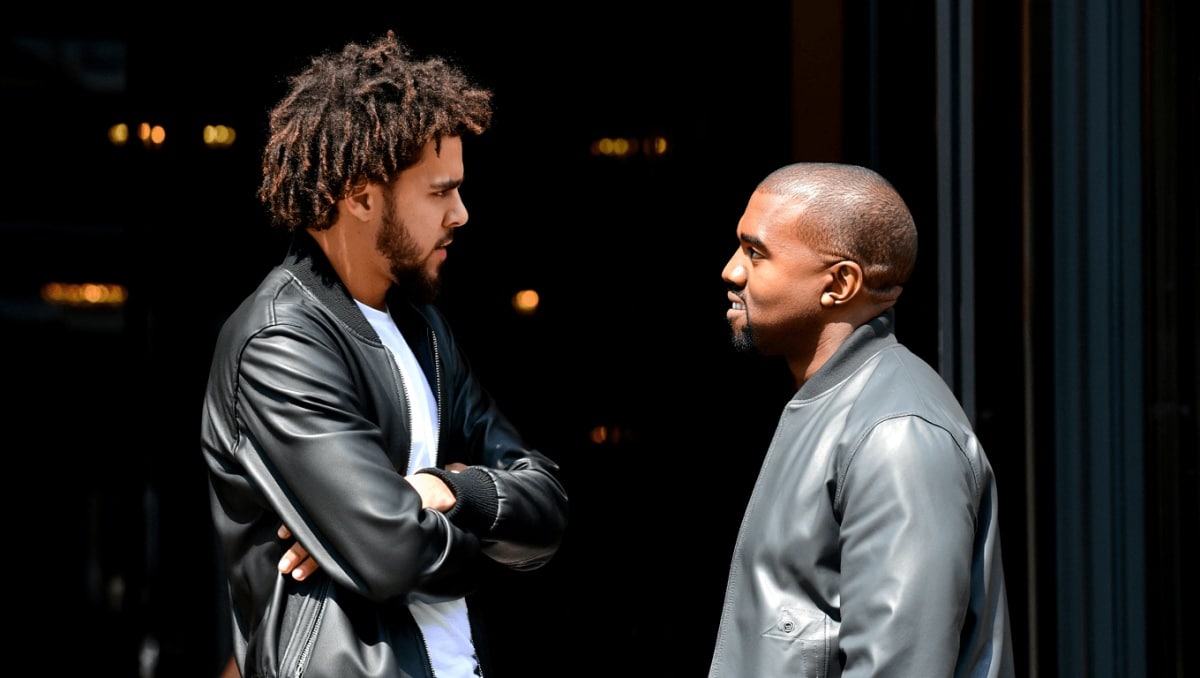
J. Cole surprised many in 2013 when he stepped into the spotlight and invited direct comparison with Kanye West. At a moment when careers are often guarded, Cole treated Kanye not as a rival to avoid but as a standard to meet. That bold choice reshaped how fans and critics judged him and helped define his trajectory in hip-hop.
Why challenging Kanye West was a calculated risk
Confronting an artist of Kanye West’s stature was not an act of bravado. For J. Cole it was deliberate. He knew the comparison would amplify attention. He also knew it would expose flaws. That tension is what many artists crave.
Nas slams music industry over disrespect: teases new music, vows to address it
1992 vocal performances: 3 jaw-dropping moments that still amaze
By courting comparison, Cole forced media narratives and fan debates. A single mention of Kanye in headlines multiplies exposure. But exposure alone does not equal advancement. Cole used the moment to test his craft under pressure.
How 2013 set the stage for a public measuring stick
Both artists released major work that year, and the industry buzz made the contrast unavoidable. Cole’s music leaned into personal storytelling and measured production.
Kanye, already known for reinvention, represented a different approach: maximalism, genre-bending, and cultural provocation. That contrast made any side-by-side discussion rich for analysis.
Artistic differences that fueled the conversation
- J. Cole emphasized lyrical honesty and narrative cohesion.
- Kanye pushed sonic experimentation and grand gestures.
- The contrast created a natural debate about hip-hop’s future.
What Cole gained by inviting the comparison
When an emerging star frames himself against an established titan, the stakes are higher. For Cole, the upside was clear.
- Increased visibility: Media cycles favor conflict and contrast.
- Artistic validation: Performing well in such debates proves readiness for bigger stages.
- Fan consolidation: Listeners willing to argue the point often become staunch supporters.
The creative decisions behind the move
Cole didn’t rely on controversy alone. His songwriting, production choices, and single releases were designed to withstand scrutiny.
He leaned into intimate storytelling and tight arrangements. He avoided gimmicks that often skew comparisons toward spectacle. That disciplined approach made any head-to-head talk more about substance than hype.
Marketing and release timing
- Releasing material during a high-profile period invites side-by-side reviews.
- Strategic singles can steer conversations back to lyrical merit.
- Collaborations and features were selected to underline Cole’s artistic identity.
Responses from fans and critics
Fans often split into camps when two strong voices are compared. Critics, meanwhile, used the moment to reassess each artist’s strengths. The debate helped define Cole’s reputation as a songwriter and a cultural voice.
Some listeners praised Cole’s restraint and depth. Others pointed to Kanye’s risk-taking as the more exciting model. Both readings pushed Cole to sharpen his craft.
Long-term effects on Cole’s career path
Insisting on that comparison in 2013 set a precedent. Cole signaled he wasn’t content to be a niche presence. He aimed to be counted among rap’s major architects.
That mindset influenced his later choices: ambitious albums, carefully chosen collaborations, and a steady focus on thematic projects that demanded attention from the same audiences who follow Kanye.
Lessons artists can take from that move
There is strategic value in measured risk. Facing a benchmark can accelerate growth if the artist prepares thoughtfully.
- Choose comparisons that highlight your strengths.
- Use critique as fuel for refinement.
- Let artistic consistency do the heavy lifting, not noise.










