
Show summary Hide summary
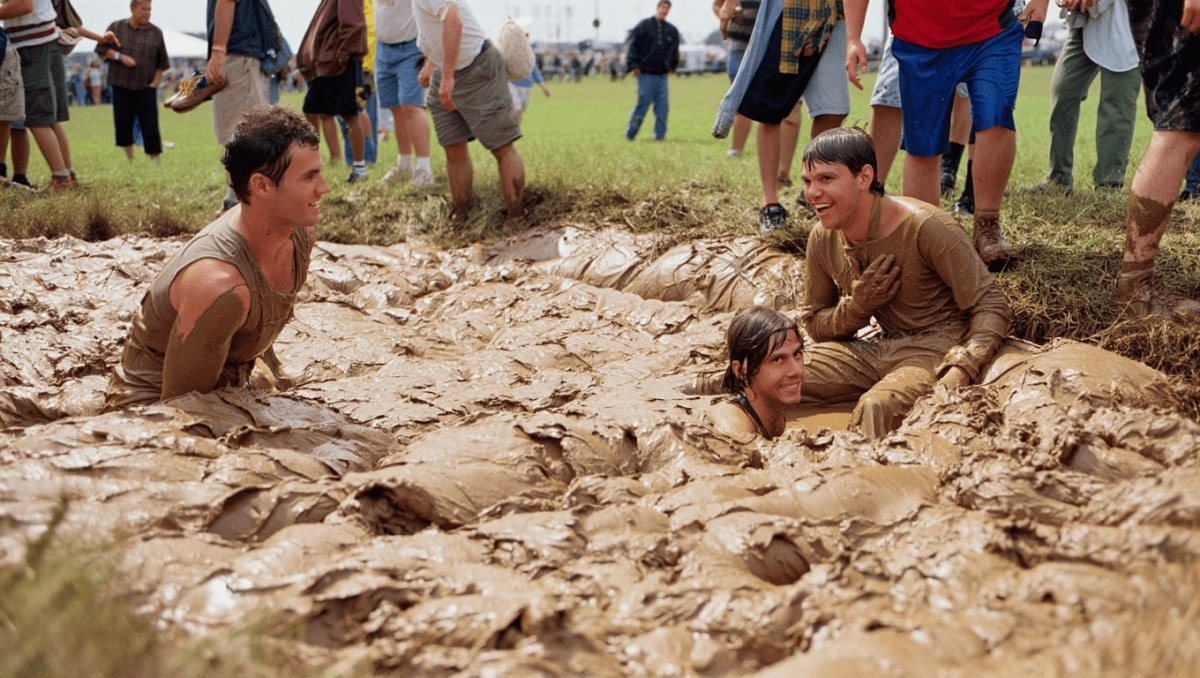
Thirty-two years after organizers tried to bottle the freewheeling spirit of 1969, the 1994 reunion is still best remembered for one messy, unforgettable image: a sprawling, sloppy mud pit that swallowed shoes, temper and, for a few raucous minutes, the show itself.
Recreating 1969: the goal behind Woodstock ’94
Woodstock ’94 arrived as a ritual of remembrance. Promoters billed it as a 25th-anniversary celebration of the 1969 festival, promising a similar sense of community and musical discovery. The site near Saugerties, New York, drew music fans hopeful for nostalgia and new moments to remember. Organizers stacked the lineup with a mix of veteran stars and contemporary acts to bridge generations.
When rain turned the field into a mud spectacle
A heavy summer storm turned much of the grounds into slick clay. Fans who had come to dance found themselves ankle-deep in mud. What began as inconvenience quickly became spectacle.
Nas slams music industry over disrespect: teases new music, vows to address it
1992 vocal performances: 3 jaw-dropping moments that still amaze
- Mud wrestling and spontaneous pit culture rose as attendees embraced the chaos.
- Performers carried on while the audience slipped and laughed.
- Images of mud-soaked fans and flying clumps of earth dominated media coverage.
Performances that stuck in memory amid the mess
Bands played to a crowd that was alternately ecstatic and exhausted. The rain did not silence the stage. Some sets acquired new energy because of the conditions, and a few acts forever linked their performances to the muddy backdrop. The combination of big-name draws and raw crowd interaction made several moments feel spontaneous and alive.
How the event handled logistics and safety under pressure
Large crowds and wet conditions challenged infrastructure. Paths turned to ruts and temporary facilities strained under demand. Event staff scrambled to manage access points, and medical tents handled common festival ailments worsened by exposure. Still, many attendees remember the staff who kept the weekend moving.
- Traffic bottlenecks made entry and exit slow.
- Sanitation stations were overwhelmed in places.
- Onsite crews prioritized urgent medical needs and safety checks.
Why the mud image endured in popular memory
The mud pit became shorthand for the whole weekend. Photographs and television clips of people dancing, slipping, and laughing in the muck spread quickly. That gritty, unscripted spectacle captured public imagination in ways staged moments could not. As a result, the festival’s legacy often centers less on setlists and more on that single, chaotic emblem.
How media and fans kept the story alive
- Magazine spreads and TV reels replayed the mud scenes for months.
- Attendee anecdotes and photos fueled social memory.
- Later retrospectives highlighted the weekend’s more human, unpredictable side.
The event’s place in the long arc of music festivals
Woodstock ’94 offered lessons for future gatherings on crowd management, weather contingency and the power of imagery. While organizers aimed to honor 1969’s ideals, the weekend also showed how modern festivals confront scale, commerce and safety. The messy mud pit remains a vivid example of how small moments can define a cultural event.










