
Show summary Hide summary
- Why Watch the Throne Still Matters in Hip-Hop
- How the Project Came Together: Studio Stories and Strategy
- Production, Beats, and the Sound that Defined an Era
- Breakout Singles and Memorable Moments
- Lyrics, Themes, and Social Commentary
- Commercial Impact: Sales, Streams, and Awards
- Critical Response and Ongoing Debates
- Influence on Artists and the Music Industry
- Standout Tracks to Revisit Now
- Anniversary Moments and Reissues
- Fan Culture and Live Legacy
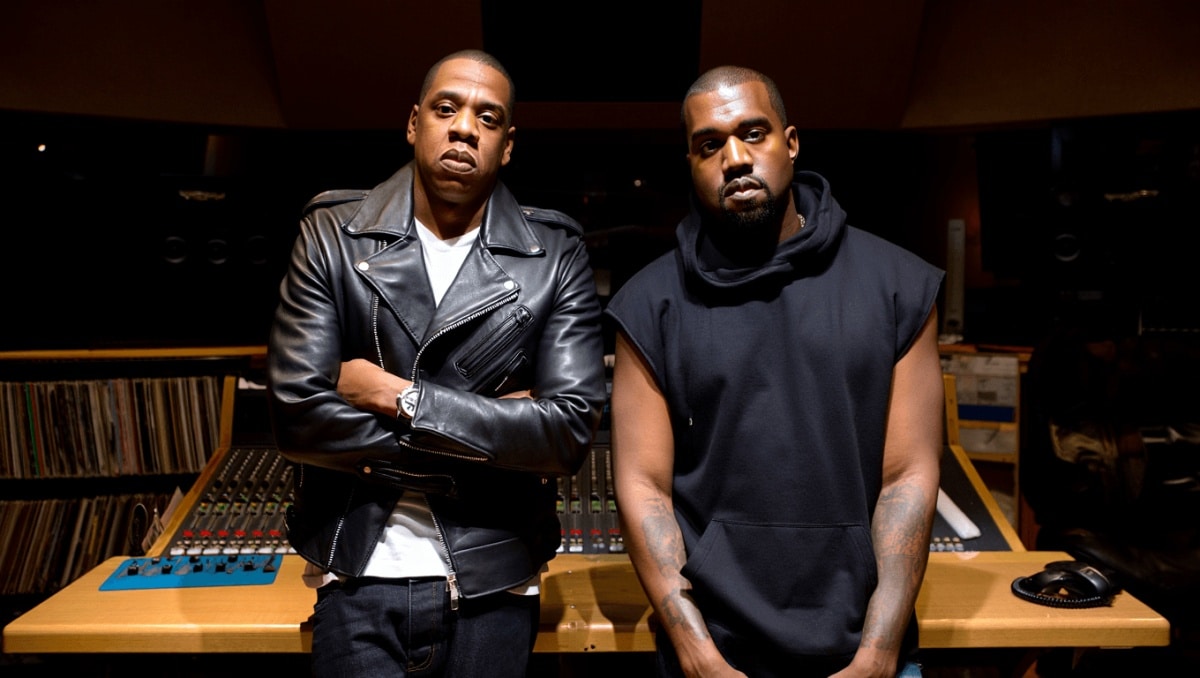
On August 8, 2011, two giants in hip-hop joined forces and delivered a record that would echo through the genre for years. Today, 15 years on, the collaboration between Jay-Z and Kanye West still sparks debate, admiration, and study. From lavish production to cultural flashpoints, the album reshaped expectations for superstar partnerships.
Why Watch the Throne Still Matters in Hip-Hop
The album pitched two established artists against a larger-than-life vision. Instead of ego clashes, they built a sonic palace. That risk paid off with an album that mixed luxury rap, political commentary, and arena-ready anthems.
Nas slams music industry over disrespect: teases new music, vows to address it
1992 vocal performances: 3 jaw-dropping moments that still amaze
Watch the Throne pushed hip-hop into cinematic territory. Producers layered orchestration, samples, and trap drums. The result felt both opulent and urgent.
How the Project Came Together: Studio Stories and Strategy
Sessions took place in multiple cities and high-end studios. Both artists invited an array of collaborators. The process combined intense competition and mutual admiration.
- Recording locations included New York and Paris.
- Producers such as Mike Dean, Hit-Boy, and Swizz Beatz shaped the sound.
- Guest contributions came from Frank Ocean, Beyoncé, and others.
Jay-Z and Kanye alternated leadership roles across tracks. Sometimes Kanye led with experimental beats. Other times Jay steered toward classic rap craft. That balance gave the album depth.
Production, Beats, and the Sound that Defined an Era
The production combined sample-heavy soul with modern electronic textures. Brass stabs and choirs mixed with 808s and synths. The result was both timeless and of-the-moment.
Key elements that defined the record:
- Grand, orchestral arrangements.
- Heavy use of vocal samples and pitched vocals.
- Hard-hitting trap percussion alongside live instrumentation.
These choices made tracks arena-ready while keeping them grounded in hip-hop tradition.
Breakout Singles and Memorable Moments
Several songs became instant classics and radio staples. Each single showcased a different side of the duo.
- “Otis” celebrated soul sampling and swagger with a raw energy.
- “Ni**as in Paris” became a cultural phenomenon and a live show highlight.
- “No Church in the Wild” mixed philosophical lyrics with cinematic production.
Live performances amplified the record’s reputation. Fans remember marathon shows and repeated plays of fan favorites.
Lyrics, Themes, and Social Commentary
The album mixed braggadocio with reflection. Topics ranged from wealth and fame to race and power. Lines often balanced celebration with critique.
Moments of frankness stood out. The songs questioned systems while reveling in success. That duality kept listeners engaged and critics talking.
Commercial Impact: Sales, Streams, and Awards
On release, the album debuted high on the charts. Sales were driven by star power and strategic marketing.
- Strong first-week sales and streaming numbers.
- Multiple certifications and award nominations.
- Long-term streaming popularity on major platforms.
Its commercial reach expanded beyond traditional hip-hop audiences. The record found listeners in pop, electronic, and international markets.
Critical Response and Ongoing Debates
Critics praised the ambition and production while questioning cohesion at times. Some hailed it as a modern classic. Others pointed to uneven tracks.
Over 15 years, perspectives have shifted. Many albums grow in stature with time. This record remains a frequent reference point in conversations about collaboration and spectacle in music.
Influence on Artists and the Music Industry
The album altered how top-tier collaborations are conceived. It encouraged artists to think big with budgets, visuals, and branding.
- New collaborations adopted cinematic production values.
- Labels embraced large-scale rollouts for superstar projects.
- Producers gained visibility and crossover opportunities.
Producers and creatives cite the record as an inspiration for blending genres and pushing production boundaries.
Standout Tracks to Revisit Now
For anyone rediscovering the album, these tracks reward close listening:
- “Otis” — raw, sample-driven energy.
- “Ni**as in Paris” — anthemic and infectious.
- “No Church in the Wild” — brooding and cinematic.
- “Made in America” — reflective and melodic.
Each track reveals production details and lyrical subtleties with repeated listens.
Anniversary Moments and Reissues
Milestone years often bring renewed attention. Special playlists, remastered tracks, and social media tributes keep the album in public view.
Streaming milestones and curated retrospectives help new generations discover the work. Documentaries and interviews add context to the making of the record.
Fan Culture and Live Legacy
Fans still celebrate the album on forums, playlists, and at concerts. Live renditions of the songs continue to be highlights on festival bills.
- Fan-created remixes and mashups circulate online.
- Tribute performances appear at award shows and festivals.
- Collectors seek limited editions and vinyl pressings.
The album’s live identity helped cement its place in modern pop culture.










