
Show summary Hide summary
- Why a public music library? The case Smith is making
- How the proposal would use Spotify’s infrastructure
- Design options: who owns and who governs the library?
- Licensing and legal hurdles to clear
- Funding models that could sustain a public streaming archive
- Technical challenges and opportunities
- Artists, labels, and fan communities: varied incentives
- Comparable efforts and precedents worth studying
- What success would look like for a public streaming library
- Opposition and practical objections
- Next steps and a roadmap for pilots
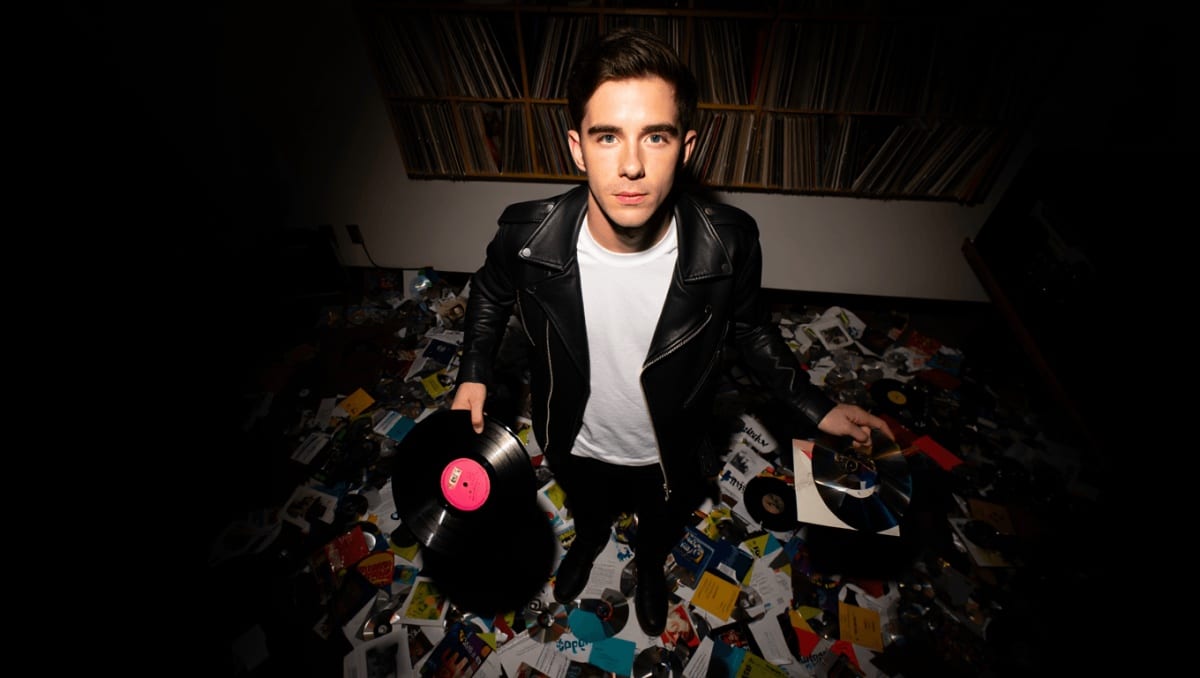
Zachary Cole Smith, best known as the frontman of DIIV, is pushing a radical idea into the music world: turn the rubble of a changing streaming industry into a publicly owned music library. He argues streaming services have reshaped how music is discovered and monetized, and that some form of communal ownership could protect artists, listeners, and cultural memory.
Why a public music library? The case Smith is making
Smith frames the idea around three urgent problems. First, streaming platforms concentrate power over discovery and revenue. Second, corporate restructuring leaves catalogs and playlists vulnerable. Third, decades of recorded music risk being lost to opaque licensing and shifting priorities.
Nas slams music industry over disrespect: teases new music, vows to address it
1992 vocal performances: 3 jaw-dropping moments that still amaze
He proposes a model where a streamed music archive would be governed in the public interest. Instead of private playlists and algorithmic gatekeeping, the library would prioritize cultural value. The goal: stable access for listeners and predictable support for creators.
How the proposal would use Spotify’s infrastructure
One practical component of Smith’s concept is reuse. Large platforms like Spotify already host vast libraries and streaming tech. Repurposing parts of that infrastructure could speed up launch and reduce costs.
- Data centers, content delivery networks, and catalog databases could be migrated or mirrored.
- Open APIs and standardized metadata would make discovery and curation easier.
- Existing player apps could be forked into community-driven clients with different algorithms.
Design options: who owns and who governs the library?
Smith’s reasoning touches on governance as much as technology. Several models could fit the idea.
- Public institution — government-funded and managed like a national library.
- Nonprofit cooperative — artists, listeners, and cultural organizations share control.
- Hybrid model — public funding with community boards and transparent oversight.
Each route affects funding, licensing, and legal responsibilities. Governance choices would shape what counts as preservation versus commercial exploitation.
Licensing and legal hurdles to clear
Turning private catalogs into public resources involves complex rights issues. Music rights are split among songwriters, performers, labels, and publishers. Converting those rights into a public-access format is not straightforward.
Key legal questions
- Which rights holders must consent to allow public streaming?
- How would royalties be calculated and distributed?
- Would the library operate under compulsory licensing, or negotiate catalog-by-catalog?
Without clear legal frameworks, a public library risks litigation and stranded assets. Smith’s idea forces policymakers to consider long-term cultural stewardship.
Funding models that could sustain a public streaming archive
Creating and operating a large-scale streaming library will require stable funding. Several strategies could be combined.
- Direct public funding for cultural infrastructure.
- Subscription tiers with revenue reinvested into the archive.
- Philanthropy and foundation grants for digitization and curation projects.
- Revenue-sharing agreements with artists and labels to ensure fair pay.
Transparency in how funds are used would be essential to earn trust from creators and audiences.
Technical challenges and opportunities
Migrating or recreating a streaming system invites both problems and innovations.
- Ensuring scalability and low-latency streaming across regions.
- Protecting metadata integrity to preserve historical context.
- Building open-source clients that respect user privacy.
- Designing discovery tools that favor curation, not just engagement metrics.
Open standards and community-led engineering could make the library more resilient than a single commercial platform.
Artists, labels, and fan communities: varied incentives
Not everyone will react the same way to public ownership of streaming assets.
- Independent artists may welcome more stable exposure and fairer payouts.
- Major labels could resist change that diminishes licensing fees.
- Fan communities might champion archival releases and regional collections.
- Archivists and scholars would gain better access for research and preservation.
Finding common ground will require negotiators who understand both creative labor and modern tech markets.
Comparable efforts and precedents worth studying
Smith’s idea has analogues in other cultural sectors. Public broadcasters, national film archives, and digital libraries offer lessons.
- Library of Congress and national archives show models for long-term preservation.
- Open-source software communities demonstrate collaborative development at scale.
- Nonprofit music platforms show alternative licensing and payout experiments.
These case studies help map the risks and governance structures that might work for a music library.
What success would look like for a public streaming library
Success would be measurable in cultural and economic terms.
- Wider, equitable access to catalogs for diverse audiences.
- Predictable, transparent revenue streams for creators.
- Robust preservation of recordings and contextual metadata.
- Open tools for discovery, curation, and research.
Long-term cultural resilience, not short-term profit, would be the yardstick for success.
Opposition and practical objections
Critics will point to feasibility and unintended consequences. Common objections include:
- Cost and complexity of negotiating millions of rights.
- Risk that government control could lead to censorship or bureaucracy.
- Labels and platforms losing revenue and market incentives.
Addressing these concerns means designing safeguards, clear incentives, and hybrid governance models.
Next steps and a roadmap for pilots
For Smith’s concept to move beyond rhetoric, practical pilots could test key assumptions.
- Start with small, public-domain and independent-artist collections.
- Create prototype apps and open-source tools for curation.
- Negotiate pilot licensing agreements with willing labels.
- Measure audience uptake and artist compensation models.
Incremental pilots would reveal whether a public streaming library can scale without undermining creators’ livelihoods.










